
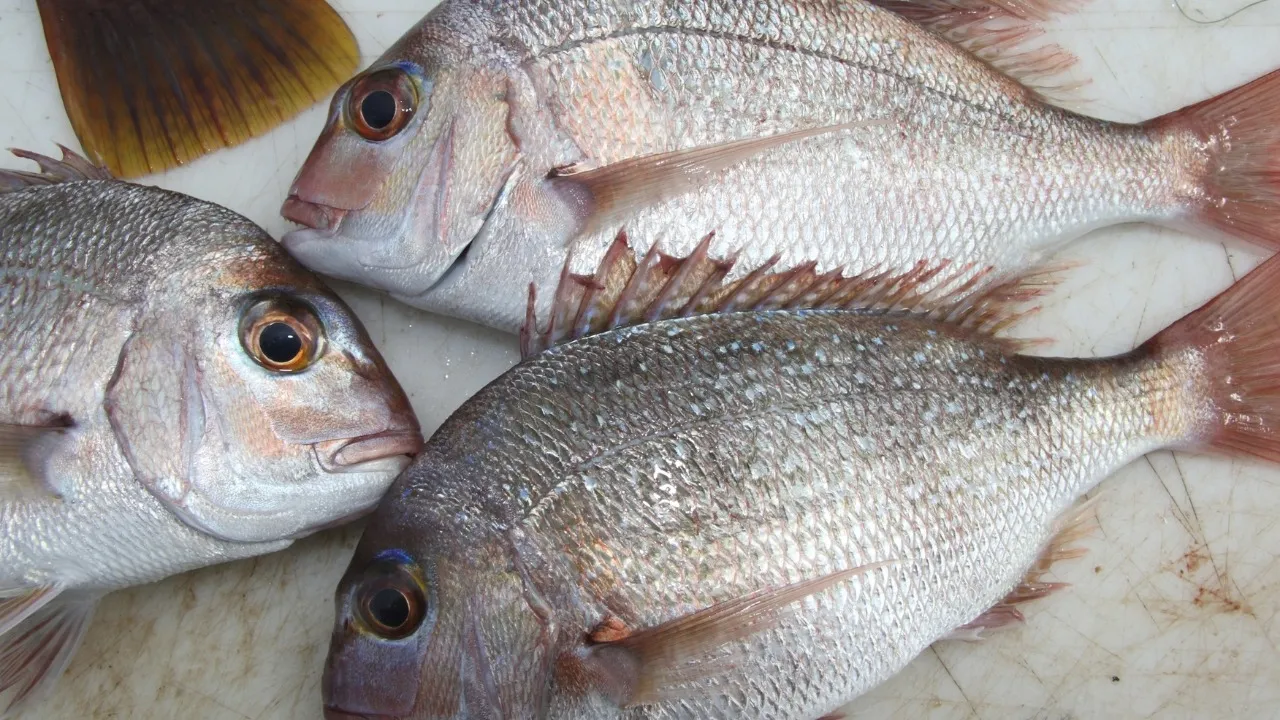
In a notable addition to India’s marine biodiversity records, researchers from the Zoological Survey of India (ZSI) and Fakir Mohan University have documented Lutjanus arakan, a snapper species never before recorded in Indian waters.
The specimen was identified at Gopalpur-on-Sea, a prominent coastal location in Odisha’s Ganjam district, highlighting the growing scientific importance of India’s eastern seaboard in marine biodiversity research.
First confirmed Indian record of Lutjanus arakan
The discovery was formally published in the latest edition of the international scientific journal Zootaxa on May 5. According to researchers, the identification followed a detailed taxonomic examination of a specimen collected during fieldwork.
The fish specimen was collected on November 8, 2024, from a fish landing station at Gopalpur-on-Sea. During laboratory analysis, scientists confirmed that while the species had previously been reported from the coast of Bangladesh, this is the first verified record of its presence in Indian marine territory.
Research team behind the discovery
The study was conducted by Rajesh Kumar Behera, Swarup Ranjan Mohanty, Smrutirekha Acharya and T. K. S. Thathachari from ZSI’s Estuarine Biology Regional Centre, along with Bhaskar Behera of Fakir Mohan University and retired ZSI scientist Subhrendu Sekhar Mishra.
Their findings are being viewed as significant for strengthening marine taxonomic documentation along the Bay of Bengal coastline.
Why this discovery matters
Lutjanus arakan belongs to the family Lutjanidae, commonly known as snappers. These marine fishes are typically found in tropical and subtropical waters and play an important ecological role as mid-level predators in reef and coastal ecosystems.
Marine researchers say the presence of this species in Indian waters expands its known geographical range and improves scientific understanding of species distribution across the Indo-Pacific marine region.
The discovery is particularly relevant for ongoing biodiversity monitoring in the Bay of Bengal, where changing environmental conditions and deeper field exploration continue to reveal new ecological data.
Boost to Odisha’s marine biodiversity profile
The documentation of Lutjanus arakan also underlines the ecological importance of Odisha’s coastline, especially areas like Gopalpur, which have increasingly emerged as important field sites for marine biological studies.
Scientists believe that continued surveys and systematic taxonomic work could lead to the identification of more previously unrecorded marine species along India’s eastern coast.
As marine ecosystems face growing pressure from climate change, habitat shifts and fishing activity, such discoveries play a crucial role in shaping future conservation strategies and scientific policy.