
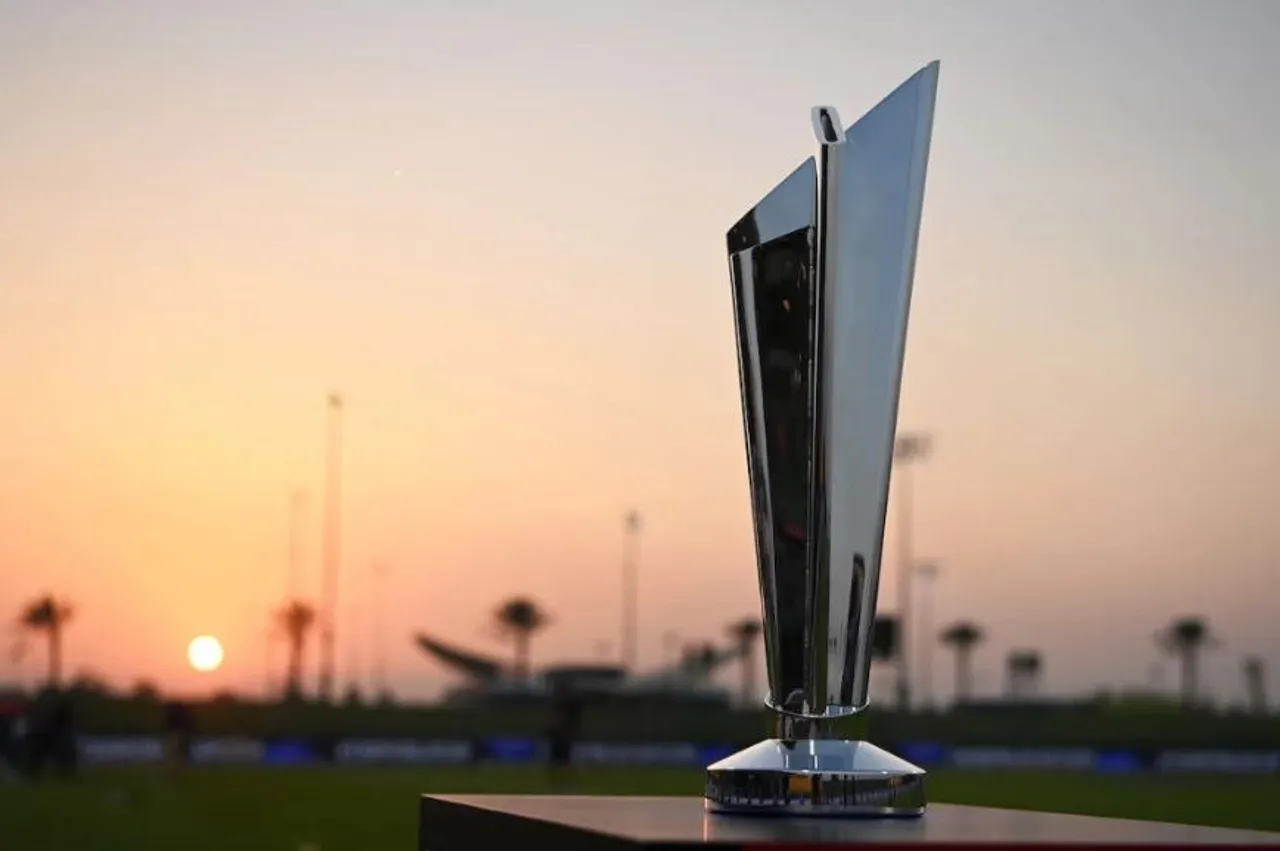
Uncertainty continues to surround the much-anticipated India–Pakistan clash at the T20 World Cup, with reports suggesting that the Pakistan Cricket Board (PCB) has placed three key demands before the International Cricket Council (ICC). The PCB has reportedly indicated that it will consult the Pakistan government and reconsider its decision to boycott the February 15 fixture only if these conditions are adequately addressed.
In an effort to break the deadlock, senior members of the PCB met an ICC delegation in Lahore on Sunday to explore possible solutions. The meeting was also attended by Bangladesh Cricket Board (BCB) president Aminul Islam Bulbul, underlining the broader regional implications of the issue.
While ICC CEO Sanjog Gupta joined the discussions virtually, PCB Chairman Mohsin Naqvi and ICC Deputy Chairman Imran Khwaja were present in person. The primary objective of the talks was to ensure that the India–Pakistan match, scheduled to be held at a neutral venue, goes ahead as planned, given its significance to the tournament and global viewership.
PCB’s Three Key Demands to ICC
According to reports, the PCB has placed the following demands before the ICC:
-
An increased share in ICC revenue distribution
-
Restoration of bilateral cricket between India and Pakistan
-
Implementation of a mandatory handshake protocol during matches
These demands are seen as part of Pakistan’s attempt to leverage the importance of the marquee fixture in ongoing negotiations with the global governing body.
Background to the Standoff
The standoff began after the Pakistan government announced that it would not permit the national team to play India, without clearly specifying the reasons behind the decision. Observers believe the move may be linked to solidarity with Bangladesh, which withdrew from the tournament earlier after the ICC rejected its security-related concerns.
Revenue Concerns Add Pressure on ICC
The PCB reportedly believes that the ICC could suffer significant financial losses if the high-profile India–Pakistan match is cancelled. The fixture is widely regarded as the most commercially valuable match in global cricket, attracting massive broadcast and sponsorship revenues.
At present, Pakistan receives 5.75 per cent of ICC revenue, amounting to approximately USD 34.51 million annually, making it the fourth-highest revenue recipient after the BCCI, England and Wales Cricket Board (ECB), and Cricket Australia.
Sport, Politics and High Stakes
As negotiations continue, the situation once again highlights the complex intersection of cricket, geopolitics, and commercial interests that surrounds India–Pakistan encounters. Whether the ICC can successfully broker a compromise and ensure the match goes ahead remains uncertain, but the outcome is likely to have far-reaching implications for the T20 World Cup and international cricket governance.