
The possibility of El Niño developing during the southwest monsoon season this year could significantly influence rainfall patterns across India, with the India Meteorological Department (IMD) forecasting below-normal rainfall between June and September if the phenomenon strengthens as anticipated.
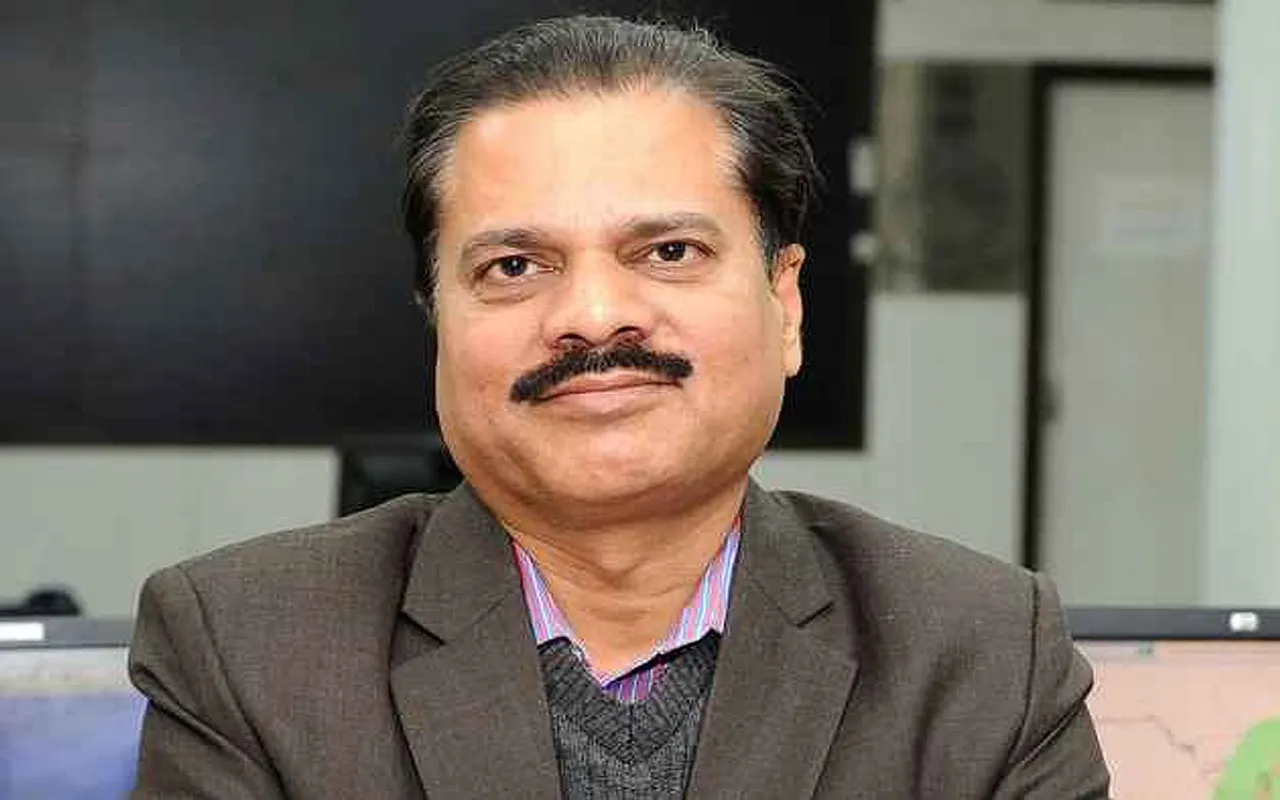
Speaking during his visit to Odisha, IMD Director General Dr. Mrutyunjay Mohapatra said the effects of El Niño are likely to begin influencing weather conditions from June onwards. According to current projections, India may receive around 90 per cent of its long-period average rainfall during the monsoon season, placing it in the “below-normal” category.
El Niño is a climate phenomenon caused by the abnormal warming of sea surface temperatures in the equatorial Pacific Ocean. It often disrupts global weather systems and has historically been associated with weaker monsoon rainfall over the Indian subcontinent.
Referring specifically to Odisha, Dr. Mohapatra said the impact of the monsoon is expected to vary across different regions of the state. While Odisha as a whole is not likely to face a severe rainfall deficit, significant regional variations are anticipated.
According to the IMD’s seasonal outlook issued on May 29, northern Odisha is expected to receive slightly below-normal rainfall during the monsoon season. This could pose challenges for agriculture, irrigation planning, and water resource management in some districts. In contrast, southern Odisha is likely to witness normal to above-normal rainfall, while central Odisha may also receive normal or slightly higher-than-normal precipitation.
“The forecast issued on May 29 remains unchanged. North Odisha is expected to receive slightly less than normal rainfall, whereas south and central Odisha may experience normal or slightly above-normal rainfall,” Dr. Mohapatra said.
The IMD chief noted that rainfall forecasts will be updated regularly as the season progresses. While the current outlook covers the entire June-September monsoon period, more detailed monthly forecasts will be released in the coming weeks to provide a clearer picture of rainfall distribution and evolving weather conditions.
Meteorologists are closely monitoring oceanic and atmospheric indicators associated with El Niño development. The extent to which the phenomenon intensifies during the monsoon season will play a crucial role in determining rainfall distribution across the country.
Dr. Mohapatra was also in Odisha to participate in discussions linked to the BRICS Disaster Risk Reduction meeting being held in Puri. He said the conference is providing a platform for member nations to review experiences related to natural disasters and exchange best practices on disaster preparedness, risk reduction, and early warning systems.
The event is also expected to highlight India’s achievements in disaster management, particularly its advancements in forecasting, cyclone preparedness, and early warning dissemination. According to Dr. Mohapatra, the summit offers an opportunity for India to showcase its disaster resilience model and technological capabilities before the international community.
As the southwest monsoon advances towards the Indian mainland, farmers, policymakers, and water resource managers will closely watch the evolving El Niño conditions and their impact on seasonal rainfall. The coming months are expected to be critical in determining the overall performance of the monsoon and its implications for agriculture, water availability, and economic activity across the country.