
As the nation approaches the first anniversary of the brutal Pahalgam terror attack, memories of the tragedy continue to haunt families and the country at large. On April 22, 2025, the serene tourist destination of Pahalgam was turned into a site of horror when Pakistan-backed terrorists stormed a village and killed 26 innocent civilians in a targeted attack.
The incident shocked the nation not only due to its brutality but also because the attackers reportedly identified victims based on religion before carrying out the killings, adding a deeply disturbing communal dimension to the violence.
Army Sends Strong Message Ahead of Anniversary
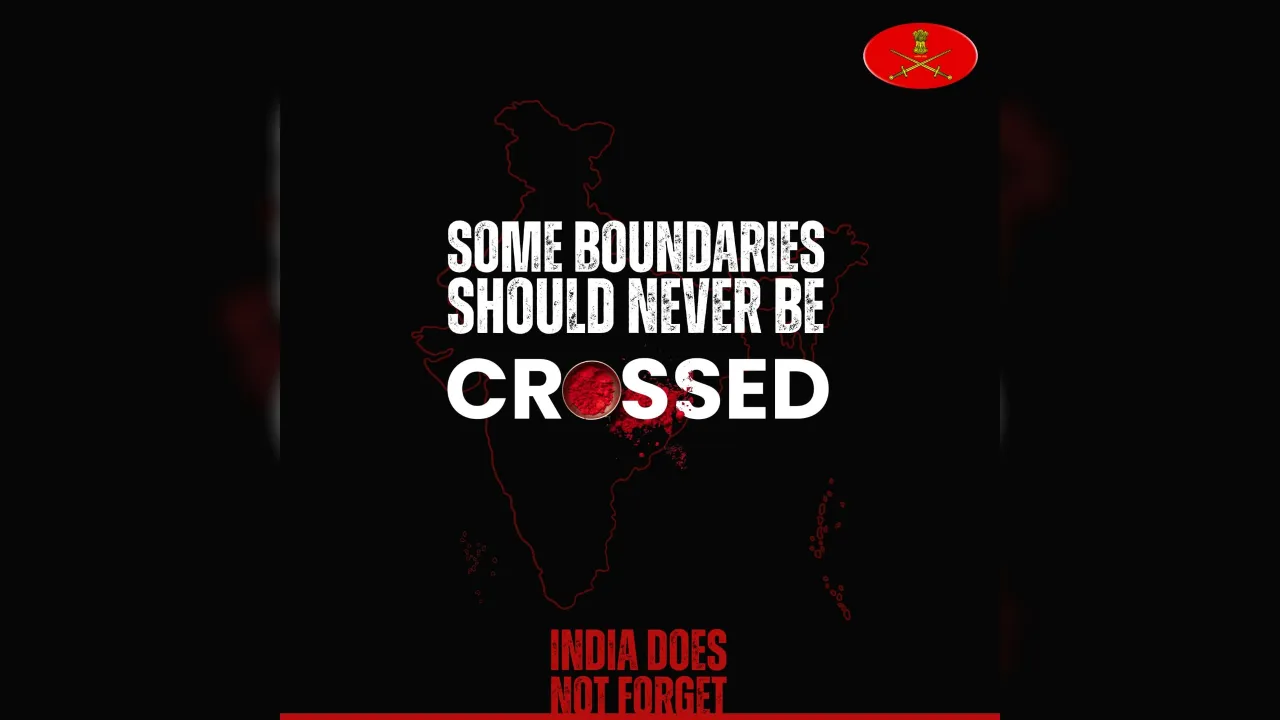
On the eve of the anniversary, the Indian Army, through its Additional Directorate General of Public Information (ADG PI), reiterated the country’s uncompromising stance against terrorism. Referring to Operation Sindoor, the Army stated that any act crossing “boundaries of humanity” would be met with decisive action. A symbolic message shared on social media emphasized that India does not forget such attacks and stands united in its pursuit of justice.
Families Continue to Struggle with Loss
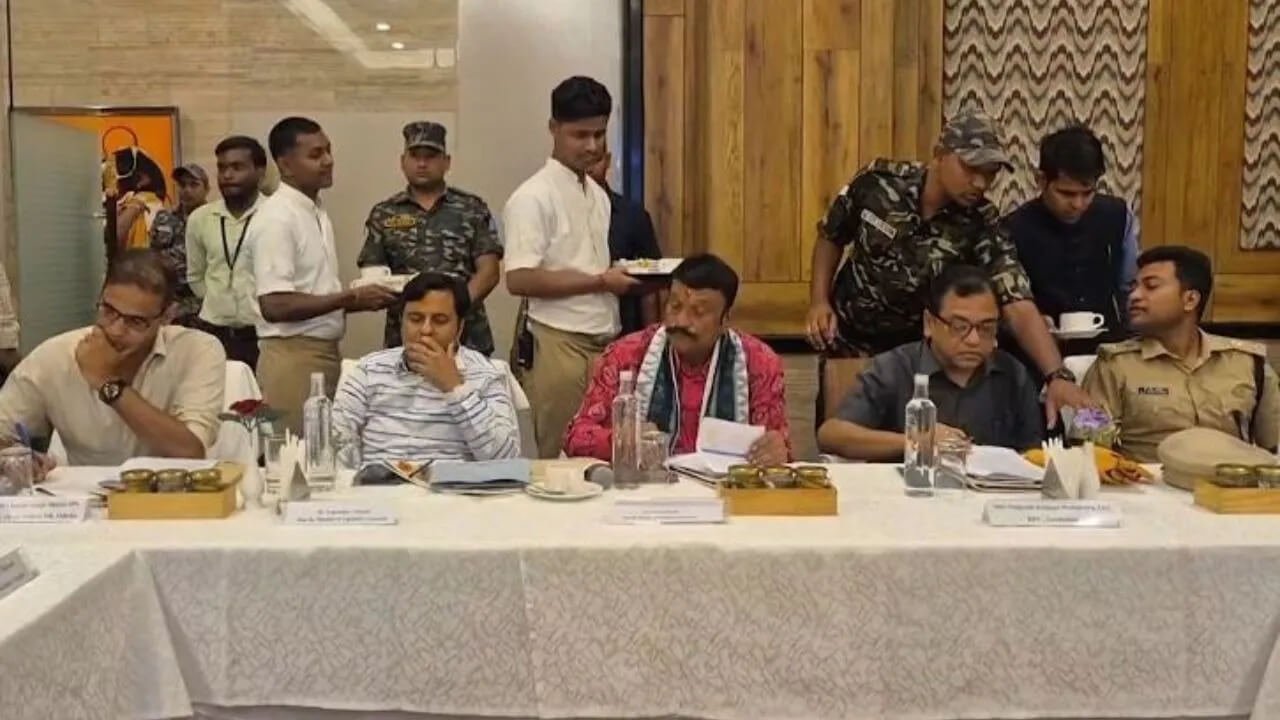
Nearly a year later, families of the victims are still grappling with the emotional and financial aftermath. Among them is the family of Prasanta Kumar Satapathy, whose death left a lasting void. His wife shared the enduring pain of losing her husband and the family’s primary breadwinner.
She explained how her temporary job, once a supplementary source of income, has now become essential for survival. Despite receiving financial assistance, she highlighted that the promised government job—announced as part of rehabilitation measures—has yet to be fulfilled. She urged authorities to honour their commitments and provide long-term support to affected families.
Operation Sindoor: India’s Decisive Response
In response to the attack, India launched Operation Sindoor on May 7, 2025. The operation marked a significant military response, with Indian armed forces targeting terror infrastructure across Pakistan and Pakistan-occupied Jammu and Kashmir (PoJK). Nine major terror launchpads linked to groups such as Lashkar-e-Taiba, Jaish-e-Mohammed, and Hizbul Mujahideen were reportedly destroyed, and over 100 terrorists were neutralized.
The strikes triggered a brief but intense four-day military escalation between India and Pakistan, involving drone attacks and cross-border shelling. Indian forces responded with precision strikes, including targeting radar installations in Lahore and areas near Gujranwala. The conflict de-escalated after Pakistan’s Director General of Military Operations (DGMO) reached out to the Indian DGMO, leading to a ceasefire agreement on May 10.
Continued Counter-Terror Operations
In a follow-up effort, security forces carried out Operation Mahadev, successfully tracking and eliminating three terrorists directly involved in the Pahalgam attack. The operation highlighted continued vigilance and intelligence coordination among India’s security agencies.
Strategic and Diplomatic Measures
Beyond military action, India also took significant non-military steps. The government suspended the Indus Waters Treaty and halted bilateral trade with Pakistan, signaling a broader strategic response to cross-border terrorism.
Prime Minister Narendra Modi reiterated that any terrorist attack on India would receive a strong and appropriate response, emphasizing that there would be no distinction between perpetrators and those supporting terrorism. Defence Minister Rajnath Singh stated that the spirit of Operation Sindoor remains ongoing.
Tri-Service Synergy and Military Preparedness
Chief of Army Staff Upendra Dwivedi described Operation Sindoor as a model example of seamless coordination among the Army, Navy, and Air Force under clear political directives. Echoing this, Air Chief Marshal Amar Preet Singh termed the operation a defining moment that showcased the Indian Air Force’s precision and operational strength.
Chief of Naval Staff Dinesh K Tripathi highlighted the strategic deployment of a carrier battle group in the northern Arabian Sea, which played a key role in limiting Pakistan’s naval movements during the conflict.
Looking Ahead: Strengthening National Security
In his Independence Day 2025 address, Prime Minister Modi also announced Mission Sudarshan Chakra, aimed at enhancing India’s offensive capabilities and countering infiltration threats more effectively.
As the nation remembers the victims of the Pahalgam terror attack, the anniversary serves as a solemn reminder of the cost of terrorism and India’s continued resolve to combat it through both military strength and strategic action.