
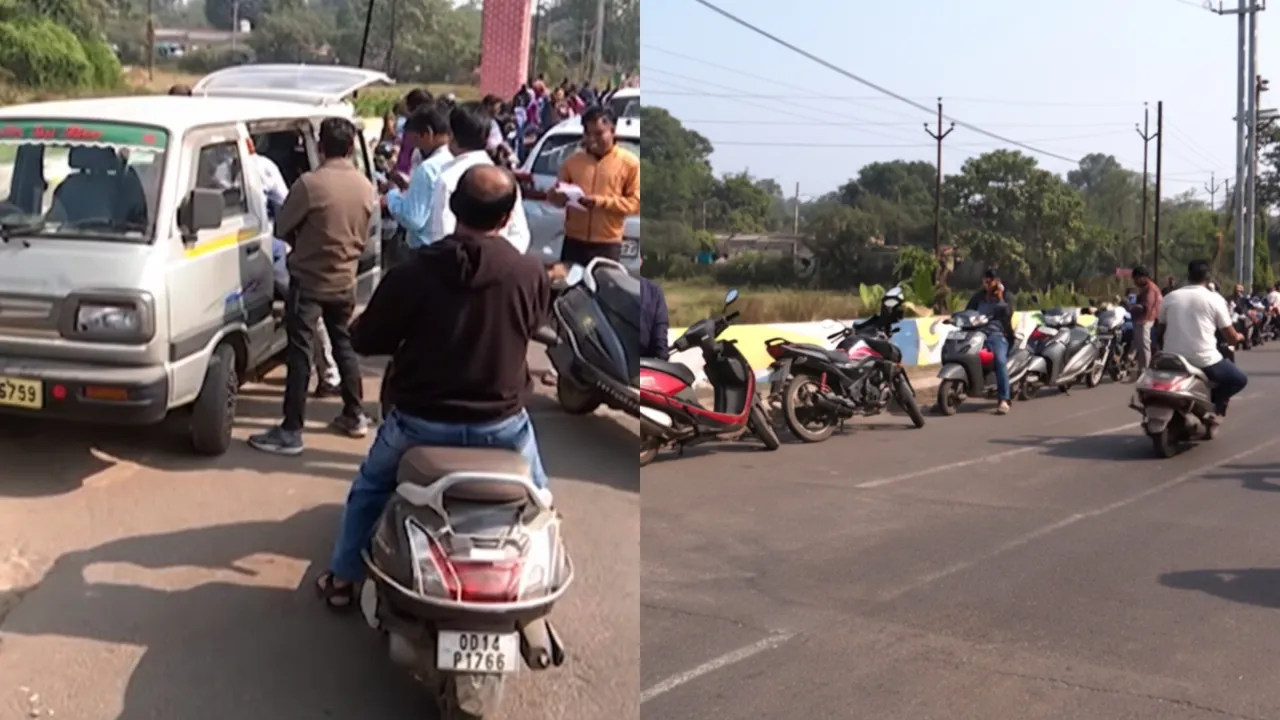
In a major move aimed at strengthening road safety and enforcing traffic discipline, the Central Government has amended Motor Vehicles regulations to introduce strict compliance measures that directly link the payment of traffic fines with access to essential transport services. Under the new rules, motorists with pending challans will no longer be able to register their vehicles or process driving licence-related services until all outstanding fines are cleared.
The reforms, implemented as part of the amended provisions under the Motor Vehicles Act, reflect the government’s growing focus on accountability, habitual traffic violations, and digital enforcement mechanisms. Officials said the changes are designed not just to recover dues, but to fundamentally improve road behaviour and public safety.
Key Changes in the New Rules
According to the revised regulations, vehicle registration will be blocked if traffic fines remain unpaid. Similarly, applications for driving licences, renewals, and related services will not be processed until all dues are settled. This means that motorists cannot legally operate vehicles or access transport services without clearing their challans.
In a strong deterrent against repeat offenders, the rules also state that if a vehicle is fined five times or more within a single year, the owner may face legal proceedings. Courts now have the authority to order the seizure of vehicles that continue to operate with unpaid fines, marking a significant escalation in enforcement powers.
Faster Digital Notices and Clear Deadlines
To ensure timely communication, the new system mandates that official notices of fines must be sent within 15 days, while electronic alerts via SMS or email must be issued within just three days of the violation. This digital-first approach aims to remove excuses related to non-receipt of challans and improve transparency in enforcement.
Vehicle owners will have 45 days from the date of receiving the notice to either:
-
Pay the fine, or
-
Lodge a formal complaint/appeal.
Failure to take action within this period will be treated as a direct violation of Motor Vehicles regulations, triggering further legal consequences. Registration certificates (RCs) and driving licence services can remain blocked indefinitely until fines are cleared, effectively preventing the lawful use of the vehicle.
Crackdown on Habitual Violators
Officials say the amended rules are particularly targeted at habitual offenders who repeatedly flout traffic laws without settling fines. By linking challan clearance to core transport services like registration and licensing, the government aims to close enforcement loopholes and create a strong compliance ecosystem.
Transport authorities believe this policy shift will:
-
Improve traffic discipline
-
Reduce repeat violations
-
Enhance road safety
-
Strengthen the culture of legal accountability
-
Promote responsible driving behaviour
A Shift Towards Systemic Compliance
The implementation of these rules from the New Year signals a broader shift in India’s traffic governance framework — from reactive enforcement to system-based compliance. Instead of relying only on penalties, the system now restricts access to essential services, making rule-following a necessity rather than a choice.
Experts view the move as a critical step towards modernising traffic management in India, integrating digital governance with legal enforcement, and ensuring that road safety is treated as a public responsibility rather than an optional obligation.
As the rules come into force across states, motorists are being advised to regularly check their challan status, clear pending fines promptly, and ensure full compliance with traffic laws to avoid service blocks, legal action, or vehicle seizure.