
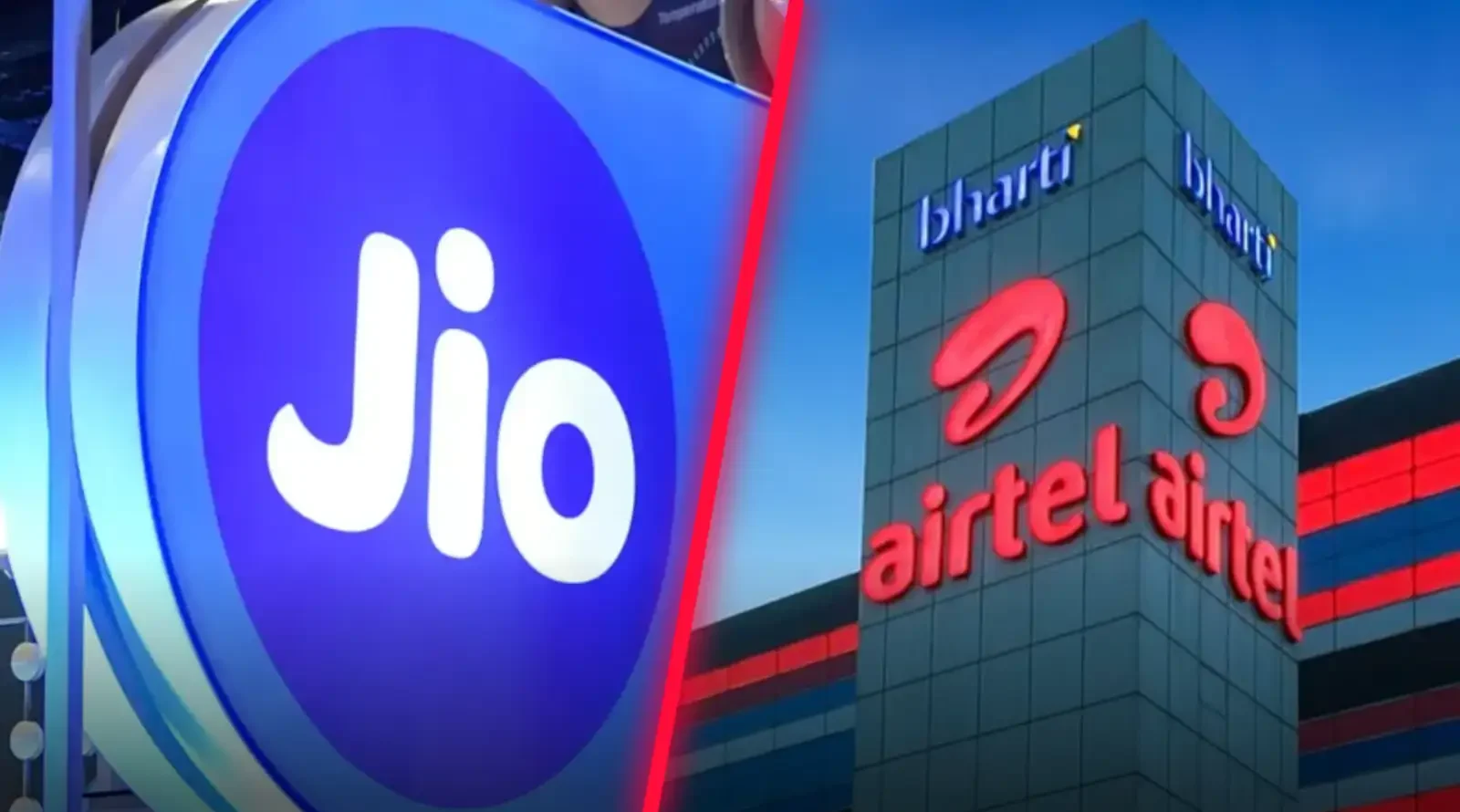
Your mobile phone bill may soon get heavier. According to a recent report by global financial services firm Morgan Stanley, major telecom operators — Jio, Airtel and Vodafone Idea (Vi) — are preparing to increase mobile recharge tariffs by 16% to 20%. If implemented, this will be the fourth tariff hike in the last eight years.
The expected increase has raised concerns among users, especially prepaid customers. Here is a detailed explainer on when the hike may happen, how it will affect you, and why telecom companies are raising prices repeatedly.
When Will Mobile Recharge Prices Increase?
Morgan Stanley estimates that Indian telecom companies may roll out the next tariff hike in the first quarter of FY 2026–27, that is between April and June. The price revision is expected to apply to both 4G and 5G services, covering prepaid and postpaid plans.
Earlier estimates suggested a smaller hike of around 15% by mid-2026, but the latest assessment indicates that prices could rise sooner and by a higher margin.
How Much More Will You Pay?
If tariffs go up by 16% to 20%, users may have to spend ₹50–₹70 more every month on average. Over a year, this could mean an additional burden of up to ₹840.
Indicative impact on popular plans:
For Jio users:
-
₹299 (28-day, 1.5GB/day) → ₹347–₹359
-
₹349 (28-day unlimited 5G) → ₹405–₹419
-
₹349 postpaid (30GB) → ₹405–₹419
For Airtel users:
-
₹349 (28-day unlimited 5G) → ₹405–₹419
-
₹449 postpaid (50GB) → ₹521–₹539
For Vi users:
-
₹340 (28-day, 1GB/day) → ₹394–₹408
-
₹579 (56-day, 2GB/day) → ₹672–₹695
-
₹452 postpaid (50GB) → ₹524–₹542
Why Are Telecom Companies Increasing Tariffs?
1. Heavy Investment in 5G Networks
Since the 5G spectrum auction in 2022, telecom operators have invested nearly ₹1.5 lakh crore in acquiring spectrum and building infrastructure. Initially, companies offered low-cost or unlimited 5G plans to attract users. Now, with nearly 42% of subscribers on 5G, operators see an opportunity to monetise these services.
2. Push to Increase ARPU (Average Revenue Per User)
Telecom companies are focused on improving ARPU, which fell sharply after Jio’s entry in 2016. From ₹94 in 2020, ARPU rose to around ₹190 by mid-2025.
Recent figures show:
-
Airtel: ₹256
-
Jio: ₹211.4
-
Vi: ₹167
With Jio’s IPO expected next year and rising infrastructure costs, companies are under pressure to boost revenue per customer.
What Will Be the Impact on Telecom Companies?
-
Higher Revenue: Morgan Stanley estimates ARPU could reach ₹370–₹390 by 2032, and potentially ₹400 for Airtel in the next five years.
-
Temporary Subscriber Loss: Subscriber numbers may drop immediately after the hike but usually recover within months.
-
Market Share Shift: Jio and Airtel are expected to gain further strength, while Vi remains more vulnerable unless it secures strong funding support.
Recent Changes Before the Next Hike
Instead of a full-scale hike in 2025, telecom companies made selective changes:
-
Entry-level plans discontinued or made costlier
-
Validity periods reduced
-
Cheapest voice-only plans increased
-
OTT subscriptions bundled with higher-priced plans
-
BSNL reduced validity without raising prices
Previous Tariff Hikes in India
-
2019: 30–40% hike; minimum recharge introduced
-
2021: 20–25% hike; focus shifted to higher data plans
-
2024: 11–25% hike; unlimited 5G benefits restricted
Each hike significantly raised users’ monthly spending and reshaped mobile usage patterns.
Bottom Line
If Morgan Stanley’s prediction holds true, Indian mobile users should brace for another round of price hikes in 2026. While telecom companies argue that higher tariffs are necessary to sustain 5G investments and improve service quality, consumers will once again have to adjust their budgets or reconsider plan choices.