
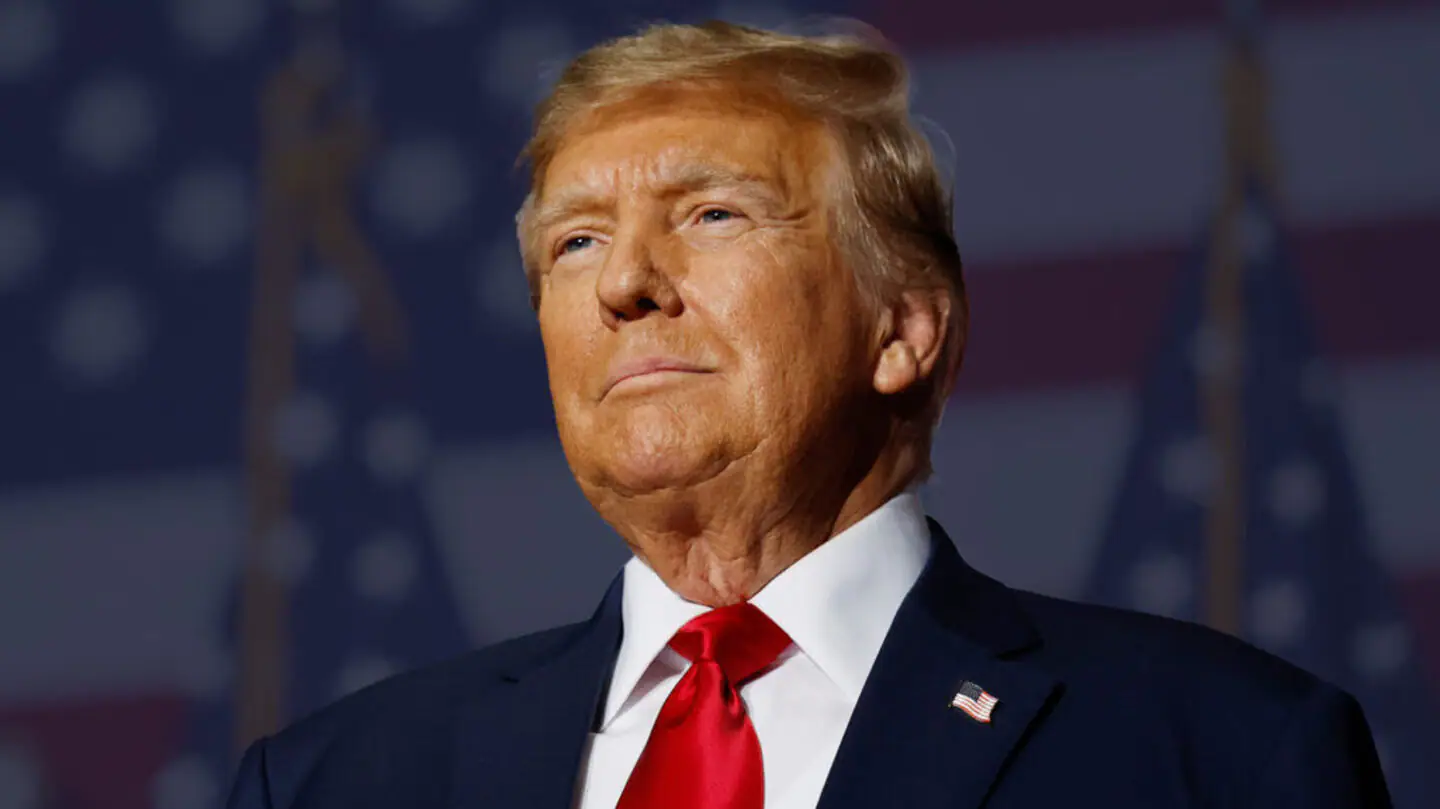
WASHINGTON, D.C. – In a major escalation of trade tensions, former U.S. President Donald Trump on Wednesday announced a sweeping 25% tariff on Indian imports, effective August 1, citing India’s “high tariffs,” “non-monetary trade barriers,” and close ties with Russia as key reasons behind the move.
Trump criticized India’s trade practices, stating:
“While India is our friend, we have, over the years, done relatively little business with them because their tariffs are far too high… and they have the most strenuous and obnoxious non-monetary trade barriers of any country.”
Trump further added that India’s continued purchase of military hardware and energy from Russia, especially amid the Ukraine war, contradicts global efforts to pressure Moscow to end the violence.
“INDIA WILL THEREFORE BE PAYING A TARIFF OF 25%, PLUS A PENALTY FOR THE ABOVE, STARTING ON AUGUST 1st,” he declared.
India-US Trade Talks Collapse
Trump’s tariff declaration comes just days after the fifth round of trade talks between India and the U.S. ended in Washington without a resolution. The two sides failed to agree on reducing barriers and tariffs despite multiple rounds of negotiations.
During a media interaction aboard Air Force One on Tuesday, Trump had hinted at the impending move, stating bluntly when asked about a trade deal with India:
“No, it’s not [finalized].”
Global Trade Shifts and Strategic Fallout
While Trump ramps up tariffs on India, the U.S. has secured recent trade deals with several countries including:
-
United Kingdom
-
Vietnam
-
Philippines
-
Indonesia
-
Japan
-
European Union
A preliminary agreement with China was also reached to reduce mutual tariffs — a key move in easing long-standing trade tensions between Washington and Beijing.
India, meanwhile, signed a Free Trade Agreement with the UK during Prime Minister Narendra Modi’s recent visit to London, a move seen as a push toward strengthening post-Brexit bilateral ties.
Exporters Face the Heat
Indian exporters, especially in sectors like textiles, pharmaceuticals, auto parts, and engineering goods, are expected to bear the brunt of the new tariffs. The hike marks a steep rise from the 10% baseline tariff on Indian goods entering the U.S.
This comes after Trump’s earlier announcement of a 26% reciprocal tariff in April, which was suspended to allow room for dialogue.
Industry bodies in India have voiced concern over the implications, warning of decreased competitiveness in the U.S. market and potential job losses if the tariffs remain for long.
What’s Next?
While Trump’s declaration is significant, it’s important to note that he is currently not the sitting U.S. President, and the Biden administration has yet to respond to the announcement or signal whether it plans to uphold, revise, or reject the tariff plan if Trump were to regain office.
However, the statement underscores growing friction in U.S.-India trade relations and the geopolitical balancing act India must manage as it deepens partnerships with both the West and Russia.