
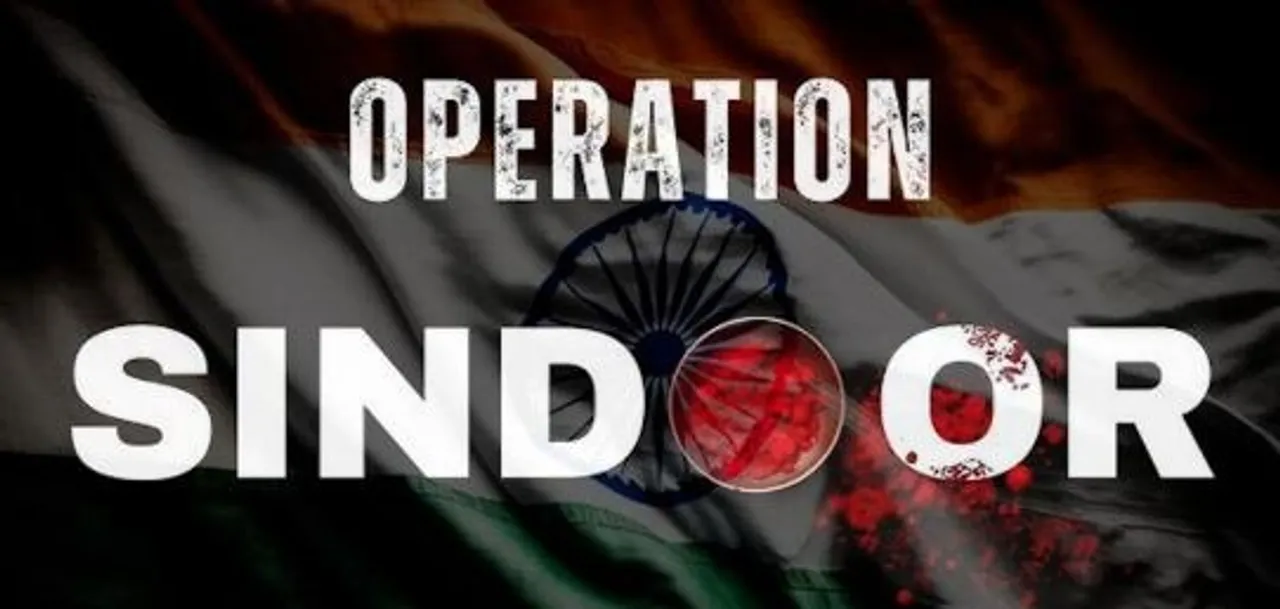
A year after Operation Sindoor, the mission continues to be regarded as a major turning point in India’s evolving defence doctrine and counter-terror response.
Launched in the aftermath of the deadly terror attack in Pahalgam, the operation marked one of India’s most decisive military actions in recent years. On its first anniversary, the mission remains central to discussions around national security, military modernisation and India’s long-term strategy against terrorism.
Swift military response after Pahalgam attack
Pahalgam terror attack triggered nationwide outrage after innocent tourists were reportedly targeted and killed.
In response, Indian forces carried out Operation Sindoor on May 7, 2025, striking terror-linked infrastructure across Pakistan and Pakistan-occupied Kashmir.
The operation was notable for its speed, coordination and precision. Defence analysts said the strikes were aimed at dismantling operational bases and strategic facilities linked to terror groups.
The mission sent a clear message that attacks on India’s civilians and sovereignty would be met with a calibrated but firm military response.
Precision warfare and new-age military capability
Operation Sindoor also highlighted India’s growing technological edge in modern warfare.
Reports indicated the use of advanced precision-guided systems, including laser-guided munitions and drone-enabled surveillance and strike capabilities. These technologies reflected a visible shift from conventional retaliation to high-accuracy, intelligence-driven operations.
Military experts believe the operation demonstrated how India is increasingly integrating modern battlefield technology into active defence planning.
Global attention and strategic messaging
The success of Operation Sindoor drew international attention and reinforced India’s image as a country capable of carrying out swift and targeted military action when faced with security threats.
Senior military officials later described the operation as more than a tactical strike — it was seen as a strategic assertion of India’s evolving national security posture.
Lt Gen Rajiv Ghai underlined the broader intent behind the mission, stating that India’s fight against terror and the systems that sustain it would continue.
Defence modernisation gains pace
In the year following Operation Sindoor, India has further accelerated defence preparedness.
Drone warfare has gained renewed prominence, with specialised drone units increasingly being integrated into combat formations. At the same time, the government has pushed ahead with indigenous defence manufacturing under the Atmanirbhar Bharat initiative.
Key indigenous systems such as the BrahMos and the Akash Missile System have continued to strengthen India’s deterrence capability along sensitive borders.
A defining moment in India’s defence doctrine
Security observers say Operation Sindoor marked more than an isolated military response.
It represented a broader shift in India’s defence thinking — one that combines rapid retaliation, technological precision, indigenous capability and strategic signalling.
As India marks one year of Operation Sindoor, the mission remains a symbol of military readiness, national resolve and a changing approach to counter-terror operations in a complex regional security environment.