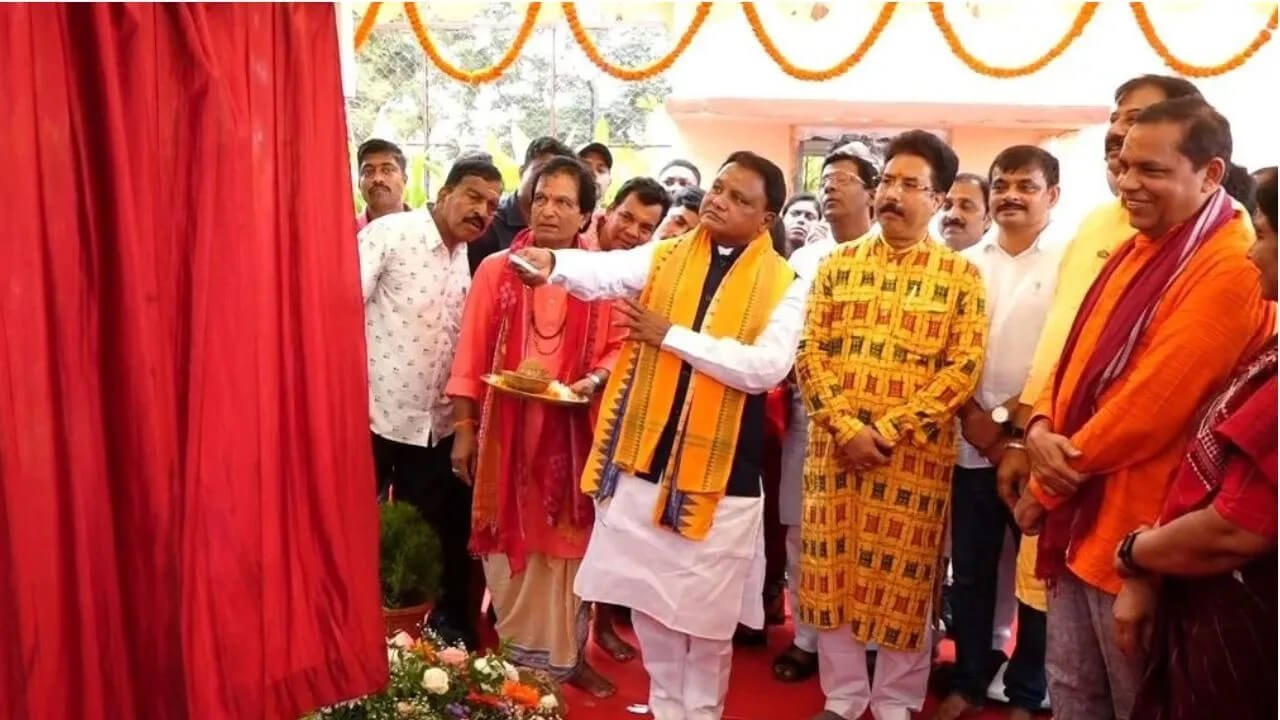

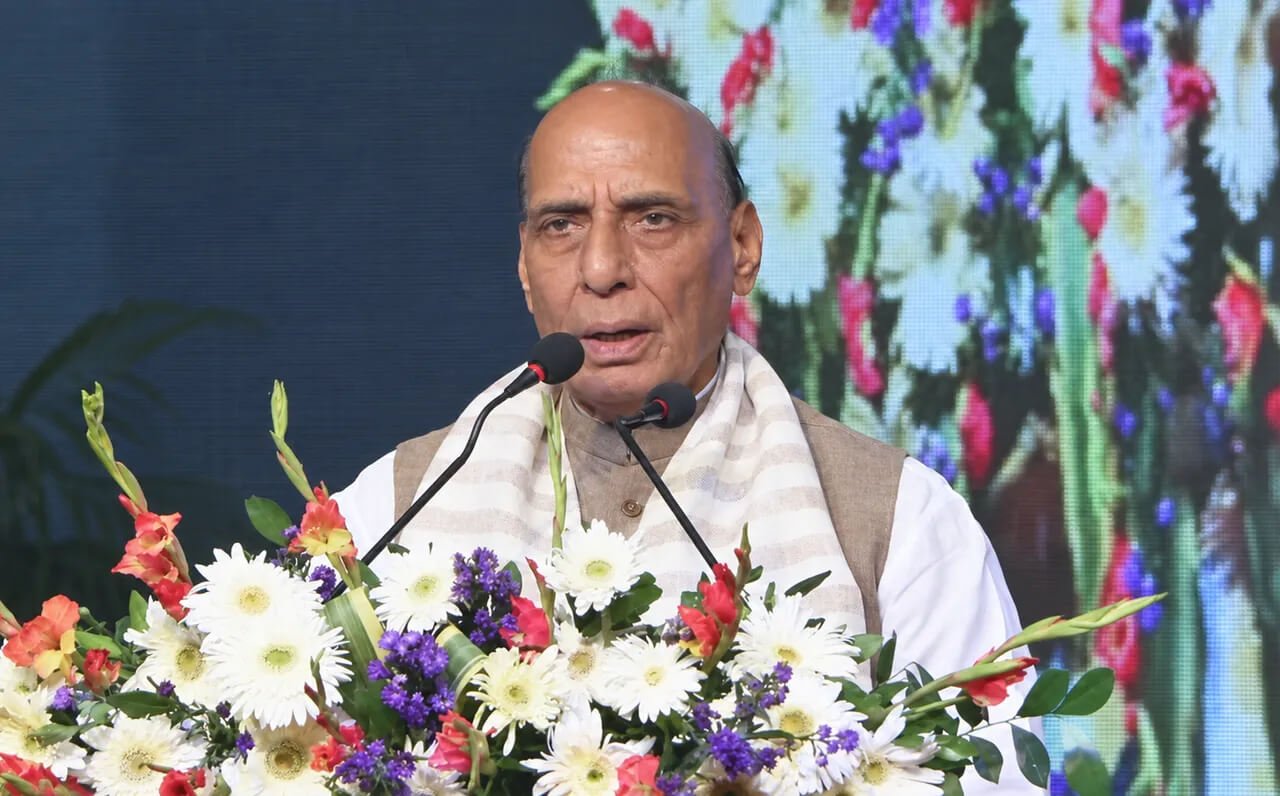
Koraput: Defence Minister Rajnath Singh visited Hindustan Aeronautics Limited (HAL) in Sunabeda, Koraput, on Tuesday, where he attended a special programme marking the delivery of the facility’s 2,000th aero-engine and the launch of a second manufacturing line for the Shakti engine.
Odisha Chief Minister Mohan Charan Majhi also attended the programme. The new Shakti engine production line is being established at an estimated cost of Rs 218 crore.
Shakti Engine Production Line Launched
The Shakti engine is a key turboshaft powerplant used in Indian military helicopters. It has been developed through collaboration between HAL and France-based Safran Helicopter Engines.
The launch of the second production line is expected to strengthen the country’s capacity to manufacture these engines and support the requirements of India’s military helicopter fleet.
HAL Koraput’s Contribution to Defence Sector
Addressing the gathering, Defence Minister Rajnath Singh highlighted the contribution of HAL Koraput to India’s aerospace and defence capabilities.
He said the delivery of the 2,000th engine represents the contribution of thousands of engineers, technicians, scientists and skilled workers who have worked over generations to strengthen the operational capabilities of the Armed Forces.
Singh also noted that HAL Koraput has manufactured engines for several frontline fighter aircraft, including the MiG-21, MiG-27, MiG-29 and Su-30MKI.
The facility has also overhauled more than 9,000 engines, highlighting its role not only in engine production but also in maintenance, repair and overhaul activities that are critical to military preparedness.
Focus on Indigenous Aero-Engine Technology
The Defence Minister emphasised that developing aero-engine technology is one of the most challenging areas of modern engineering. It involves advanced metallurgy, precision manufacturing, testing, cooling systems and stringent quality-control processes.
He stressed the need for India to develop its own high-thrust aero-engine technology, particularly for the Advanced Medium Combat Aircraft (AMCA) programme.
According to Singh, greater indigenous capability in aero-engine technology will be essential for India to achieve deeper self-reliance in the aerospace sector and strengthen its long-term defence preparedness.
Rs 5,000 Crore Effort for High-Thrust Engine Capability
Singh also highlighted ongoing efforts involving an investment of around Rs 5,000 crore towards developing indigenous high-thrust engine capabilities.
He said the indigenisation of raw materials in collaboration with MIDHANI is another important step. The establishment of India’s first high-thrust engine testing facility using indigenous expertise was also described as a significant development.
The Defence Minister said the technical knowledge and capabilities being developed by engineers at HAL Koraput could play an important role in the future indigenisation of the AMCA’s high-thrust engine.
The developments at HAL Koraput underline the growing focus on indigenous aerospace technologies and strengthening India’s domestic defence manufacturing capabilities.