

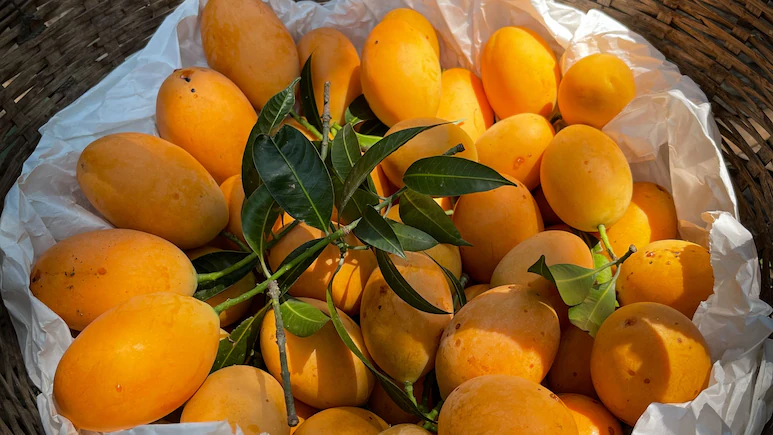
In a development that could impact India’s fruit export sector, Nepal has reportedly imposed restrictions on the import of Indian mangoes and several other fruits after quarantine officials detected pesticide residues beyond permissible limits in imported consignments. The move comes weeks after Japan suspended mango imports from India over concerns related to pest-control procedures, raising fresh challenges for Indian exporters during the peak summer season.
According to reports, Nepal’s Ministry of Agriculture and Livestock Development introduced the restrictions during April-May following inspections by border quarantine authorities. The decision is expected to affect the export of several popular Indian mango varieties, including Alphonso, Dasheri, Chausa, Kesar, Langra and Banganapalli, which enjoy strong demand in the Nepalese market.
Concerns Over Chemical Residues
Nepalese authorities reportedly took the decision after laboratory tests indicated excessive levels of chemical pesticides in certain fruit consignments arriving from India. Officials argued that the restrictions were necessary to protect public health and ensure that consumers receive safe agricultural products.
The action reflects growing scrutiny by importing countries over food safety standards, pesticide usage and quality-control mechanisms in agricultural exports.
Traders Fear Supply Shortages
The sudden restrictions have sparked concern among fruit traders and wholesalers in Nepal, many of whom rely heavily on Indian imports to meet seasonal demand.
Industry representatives told local media that the ban was implemented without sufficient preparation, creating uncertainty in the market. Traders warned that domestic production alone may not be enough to satisfy consumer demand during the summer months when mango consumption typically peaks.
Bhuvaneshwar Purbe, General Secretary of the Fruit and Vegetable Traders’ Association in Janakpurdham, reportedly said that demand for mangoes rises sharply during summer and any disruption in imports could lead to shortages and higher prices.
He urged authorities to strengthen testing and quarantine mechanisms instead of imposing a blanket ban, suggesting that fruits meeting safety standards should be allowed into the country after proper inspection.
Government Sees Opportunity for Local Farmers
While traders have expressed concerns, Nepalese officials view the restrictions as an opportunity to promote domestic fruit cultivation and reduce dependence on imports.
Manish Kumar Pal, spokesperson for the Ministry of Land Management, Agriculture and Cooperatives of Madhes Province, stated that the move could encourage local production and create better market opportunities for Nepalese farmers.
According to officials, consumers would also benefit from access to locally produced fruits that are considered safer and fresher.
The government believes the restrictions could strengthen Nepal’s agricultural sector by increasing demand for domestically grown produce.
Japan’s Suspension Adds to Export Worries
The Nepal decision follows a similar action by Japan, which last month suspended mango imports from India after inspectors identified deficiencies in pest-control procedures at Indian treatment facilities.
The Japanese suspension marked the first major restriction on Indian mango imports by the country in nearly two decades. Earlier restrictions imposed over fruit fly concerns were lifted in 2006 after India enhanced its treatment and quarantine protocols.
Japan is considered a premium export destination for Indian mangoes, offering significantly higher returns to growers and exporters compared to many other markets.
Impact on India’s Mango Export Industry
India remains the world’s largest producer of mangoes, with annual production estimated at nearly 28 million metric tonnes. Although most of the harvest is consumed domestically, exports contribute significantly to the earnings of farmers, traders and exporters.
Industry experts fear that repeated restrictions by importing countries could affect confidence in India’s agricultural quality-control systems. Exporters are particularly concerned that actions by Nepal and Japan may prompt other nations to intensify inspections or review their import regulations.
The developments highlight the growing importance of maintaining stringent food safety standards, improving pesticide management practices and strengthening export certification systems to preserve India’s reputation in global agricultural markets.
As demand for safe and traceable food products continues to rise worldwide, stakeholders believe stronger quality assurance measures will be crucial for protecting India’s position in international fruit markets and ensuring uninterrupted access to key export destinations.