
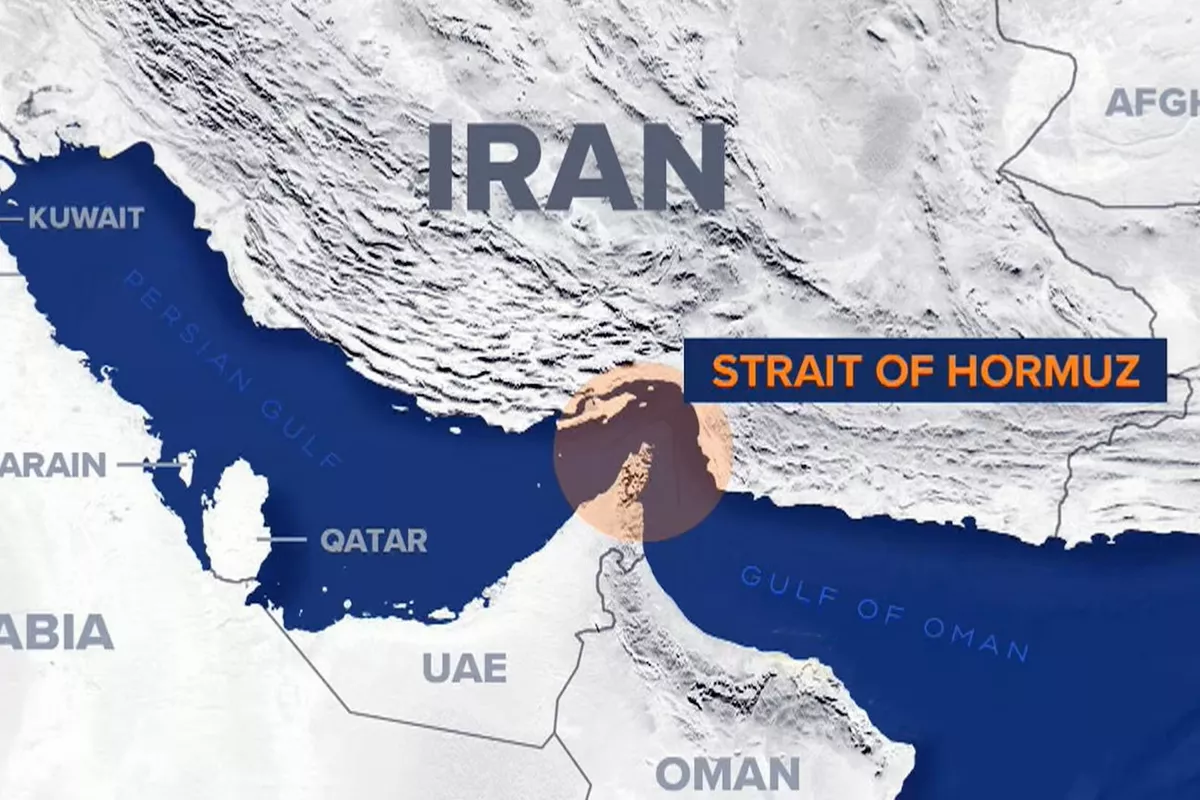
A senior military adviser to Iran’s Supreme Leader has issued a strong warning to the United States, stating that Iranian forces could target American vessels in the Strait of Hormuz if Washington attempts to “police” the strategic shipping route.
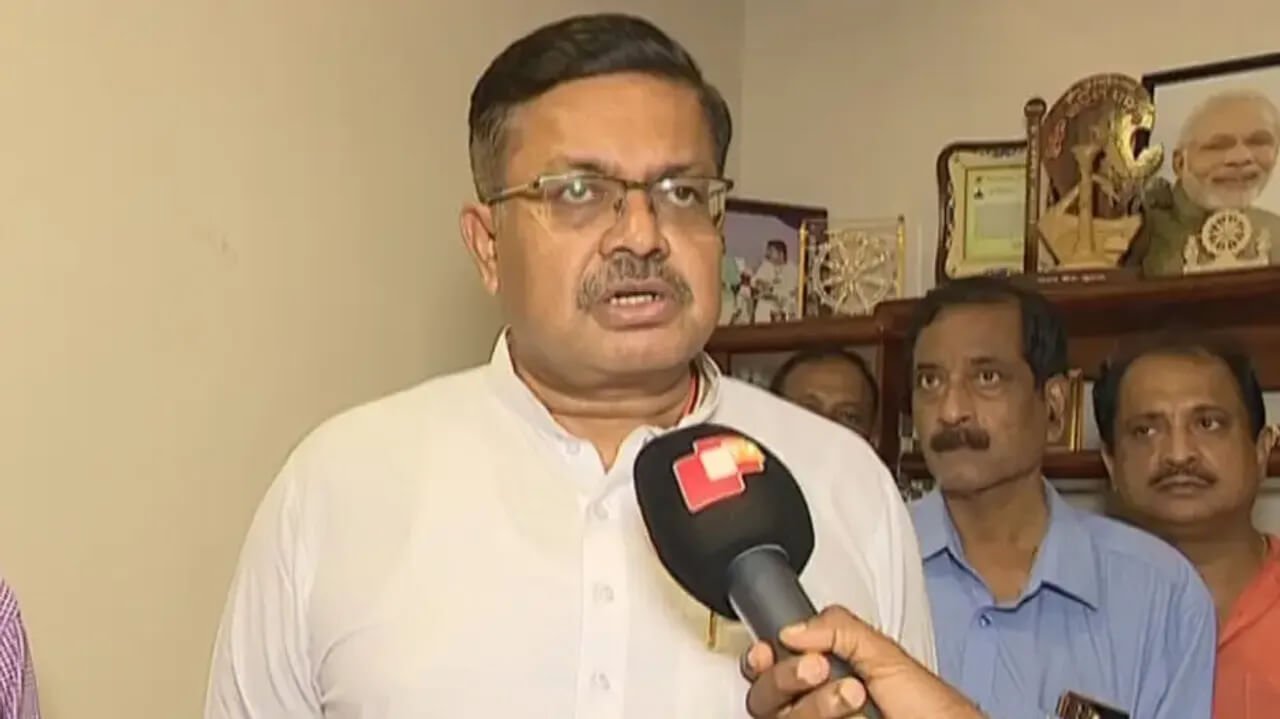
Mohsen Rezaei, a former commander-in-chief of the Islamic Revolutionary Guard Corps (IRGC) and now an adviser to Mojtaba Khamenei, made the remarks during an interview with Iranian state television.
Sharp Warning to the United States
Rezaei criticised the move by Donald Trump to impose a naval blockade in the region, questioning the US role in controlling one of the world’s most critical oil transit routes.
He warned that any American attempt to dominate the strait could provoke a military response, claiming Iranian missiles could target US naval assets operating in the area.
Background: Escalating Regional Tensions
The warning comes amid heightened tensions following a prolonged conflict involving Iran and US-backed forces. The situation remains fragile despite a temporary ceasefire currently in place.
The Strait of Hormuz is a crucial global energy corridor, handling a significant share of the world’s oil and gas shipments. Any disruption in the region has immediate implications for global energy markets and supply chains.
Hardline Position on Ceasefire
Rezaei, known for his hardline views, also expressed opposition to extending the current ceasefire, calling it a personal stance. He further made controversial remarks suggesting that a potential ground conflict could lead to large-scale hostage situations, escalating the rhetoric.
Diplomatic Efforts Continue
Despite the aggressive tone, limited diplomatic engagement between the US and Iran has taken place. Initial talks were reportedly led by Mohammad Bagher Ghalibaf, Iran’s parliament speaker and a former IRGC aerospace commander.
Global Implications
The escalating rhetoric has raised concerns internationally, as any military confrontation in the Strait of Hormuz could severely impact global oil supplies and trigger broader geopolitical instability.
With tensions still simmering and the ceasefire hanging in balance, the situation remains closely monitored by global powers.