
New Delhi: In a move aimed at improving road safety and protecting highway infrastructure, the Ministry of Road Transport and Highways (MoRTH) has announced amendments to the National Highways Fee Rules, introducing a revised framework for penalising overloaded vehicles.
The updated provisions under the National Highways Fee (Determination of Rates and Collection) Fourth Amendment Rules, 2026 will come into effect from April 15, 2026.
Tiered Fee Structure for Overloaded Vehicles
A key feature of the amendment is the introduction of a graded fee system based on the extent of overloading beyond the permissible Gross Vehicle Weight (GVW):
- Up to 10% excess load: No overload fee
- 10% to 40% excess load: Charged at twice the base rate
- Above 40% excess load: Charged at four times the base rate
This structured approach ensures that minor violations are treated leniently, while heavily overloaded vehicles face stricter penalties.
Accurate Weighment Through Certified Devices
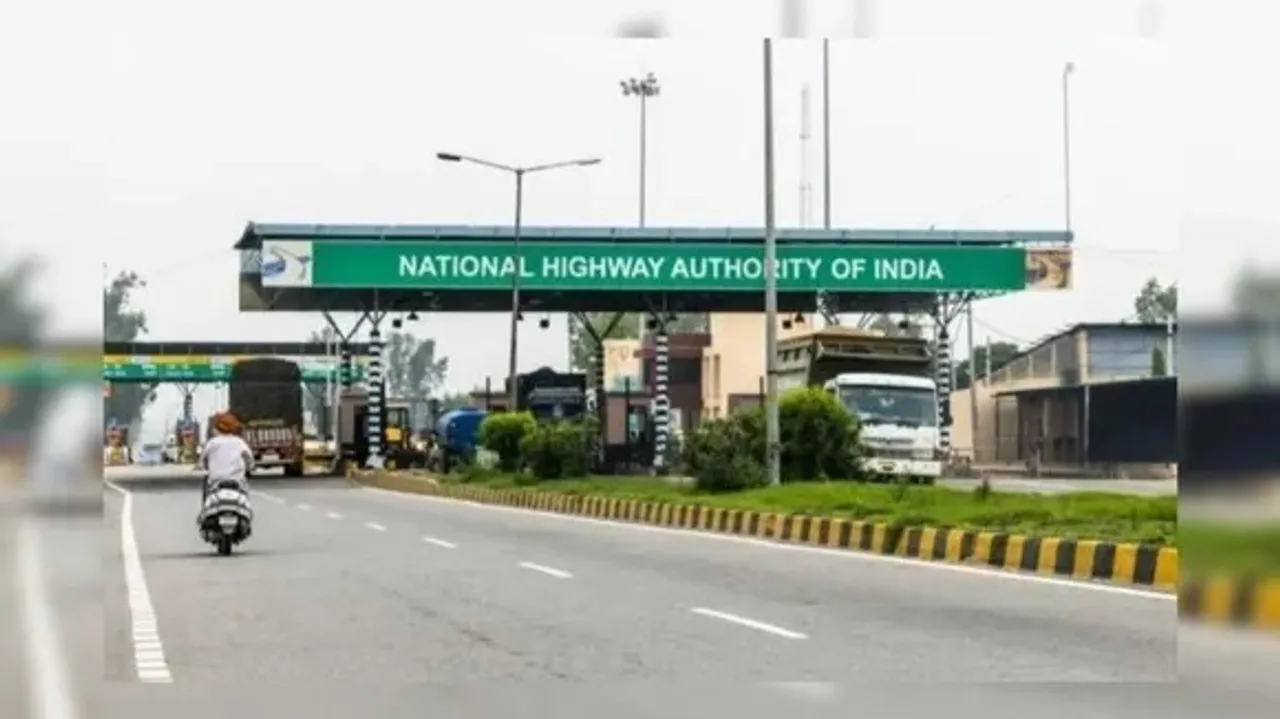
To enhance transparency and fairness, certified weight measurement systems will be installed at toll plazas across National Highways. These devices will ensure precise calculation of vehicle load, reducing disputes and improving compliance.
Importantly, no overload fee will be imposed at toll plazas where weighment facilities are not available, protecting vehicle operators from arbitrary penalties.
FASTag-Based Digital Payments
The amendment mandates that all overload charges be collected exclusively through FASTag. This step aligns with the government’s push toward digital transactions, ensuring faster processing, reduced manual intervention, and better revenue tracking.
Vehicles without valid FASTag will continue to face penalties as per existing rules, reinforcing the need for universal compliance.
Integration with VAHAN Database
Details of overloaded vehicles—including identification and degree of excess load—will be recorded and uploaded to VAHAN. This will enable better monitoring, enforcement, and data-driven policymaking.
Applicability and Exemptions
The new rules will not automatically apply to certain highway projects initiated under private investment before the amendment’s implementation, unless concessionaires opt in. This ensures that ongoing projects are not disrupted by sudden regulatory changes.
Expected Impact
The revised framework is expected to significantly reduce overloading—a major factor behind road damage and safety risks. By linking penalties directly to the degree of violation, the system promotes fairness while encouraging compliance.
Additionally, the adoption of digital payments and automated weighment systems is likely to streamline operations, reduce leakages, and enhance accountability across the highway network.
Overall, the amendment marks a major step toward safer, more efficient movement of goods on India’s highways while supporting the long-term sustainability of transport infrastructure.