

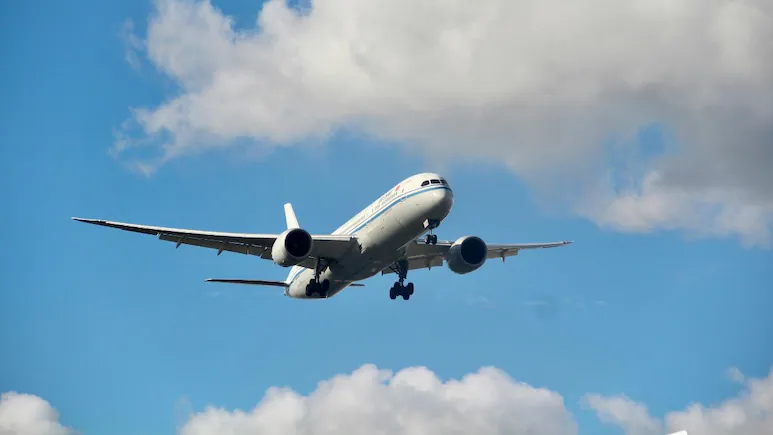
New Delhi: Flying within India could gradually become more expensive and less predictable following the Centre’s recent decision to increase taxes on fuels, including aviation turbine fuel (ATF). The move is expected to directly impact airline operating costs and, eventually, passenger fares.
According to a report by Business Standard, the government has significantly raised export duties on key fuels. The levy on ATF has been increased from ₹29.5 per litre to ₹42 per litre, while diesel export duty has jumped from ₹21.5 to ₹55.5 per litre. Petrol export duty, however, remains unchanged at zero.
Fuel Cost Hike to Impact Airlines
ATF is one of the largest components of airline operating expenses. Even a marginal increase in fuel costs can significantly affect airlines, which typically operate on thin profit margins. With the latest hike, carriers are likely to face increased financial pressure.
This could translate into higher ticket prices over time, especially for budget airlines that rely heavily on maintaining low operational costs to offer competitive fares. Discounted tickets and promotional offers may become less frequent as airlines adjust to rising fuel expenses.
Government’s Rationale Behind the Move
The tax revision, notified on April 11, is part of a broader strategy to strengthen government revenues and manage domestic fuel availability. The decision comes at a time of global oil price volatility driven by geopolitical tensions in West Asia.
In addition to export duties, the government has also increased domestic taxes, including excise duty and road and infrastructure cess on diesel, as part of what has been described as an “immediate action” measure.
What It Means for Travellers
For passengers, there is unlikely to be an immediate spike in airfares. However, experts suggest that fares may gradually rise in the coming weeks as airlines pass on increased costs.
Travellers are advised to plan ahead, book tickets early, and monitor fare trends closely to avoid higher prices. While air travel will remain accessible, pricing may become more dynamic and less predictable.
Outlook
The impact of the fuel tax hike will depend on how global oil prices evolve and how airlines respond to cost pressures. If volatility persists, the aviation sector could see sustained fare adjustments.
For now, the development signals a gradual shift toward higher travel costs, making early planning and flexible booking strategies increasingly important for passengers.