
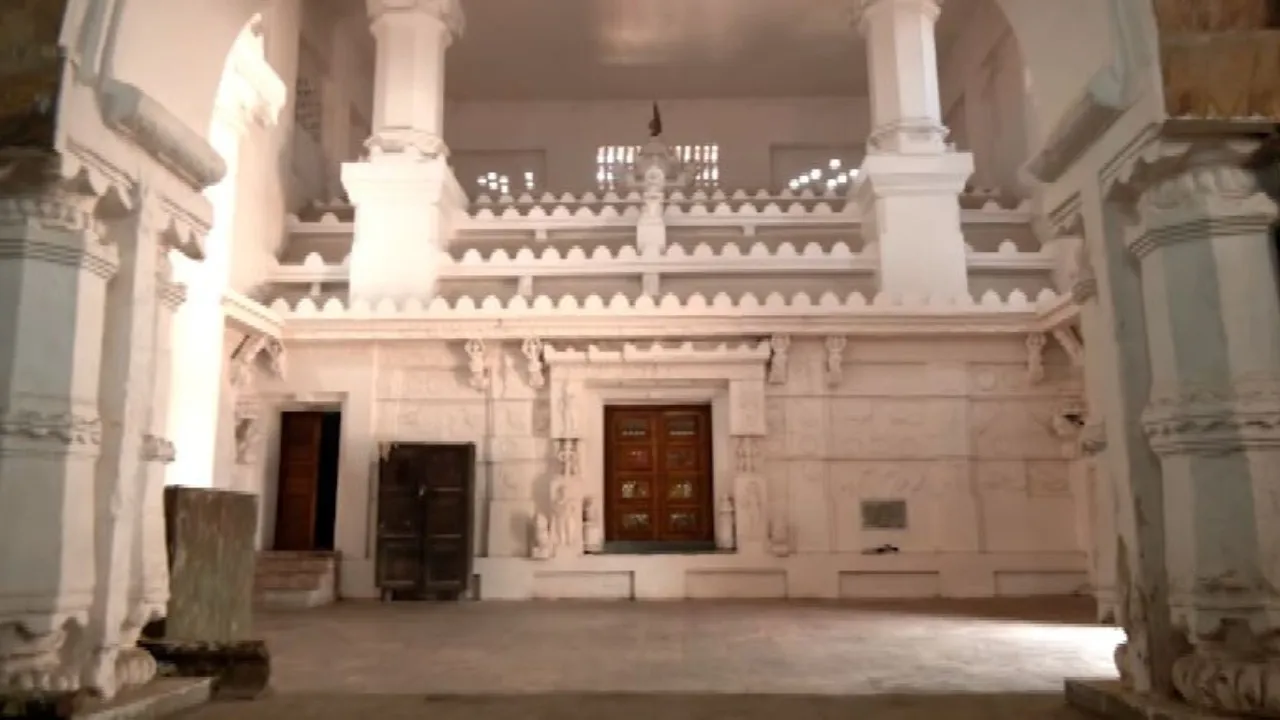
Puri: A geophysical survey conducted around the Shree Jagannath Temple in Puri has revealed compelling evidence of buried archaeological remains beneath the surface, including a possible tunnel-like structure, indicating the presence of ancient monuments that may predate or be contemporary with the 12th-century temple complex.
Subsurface Structures Detected
According to a draft report of a Ground Penetrating Radar (GPR) survey carried out by IIT Gandhinagar in 2022, several subsurface anomalies suggesting structural remains were detected within a 75-metre radius of the temple’s outer wall.
The survey scanned underground layers up to a depth of around 5 metres, identifying variations in subsurface composition that indicate the presence of buried structures.
The south-east zone of the study area covered parts of:
- Emar Mutt
- Nrusingha Temple
- Budhi Maa Temple
- Stretches along the Jagannath Temple road
Survey Linked to Heritage Corridor Work
The survey was commissioned by the Odisha Bridge Construction Corporation (OBCC) after a broken lion sculpture was discovered at the site where Emar Mutt once stood during construction work under the Jagannath Heritage Corridor project.
The discovery prompted authorities to conduct a detailed subsurface assessment to identify possible archaeological remains in the area.
Evidence of a Larger Historic Settlement
The findings suggest that the buried remains are not confined to the immediate vicinity of the Srimandir but may extend across larger parts of Srikhetra (Puri).
Earlier excavation during the Srimandir Parikrama Project had already uncovered relics believed to belong to the Ganga dynasty period, which ruled Odisha during the construction of the present Jagannath Temple.
The GPR survey reportedly detected 43 heritage structures spread across multiple locations, covering a combined area of around 21.6 square metres. These sites include:
- Emar Mutt
- Nrusingha Temple area
- Budhi Maa Temple vicinity
- Adjacent road stretches near the temple complex
During related excavation activities, earthen and metal utensils and other objects used in daily life were also recovered, indicating the possibility of a historic settlement beneath the current city landscape.
Possible Tunnel Towards the Sea
One of the most intriguing findings mentioned in the report is the presence of a tunnel-like feature extending from the Srimandir towards the sea. Such structures, if confirmed through further investigation, could shed new light on the historic layout and defensive or ritual architecture associated with the temple complex.
Call for Transparency
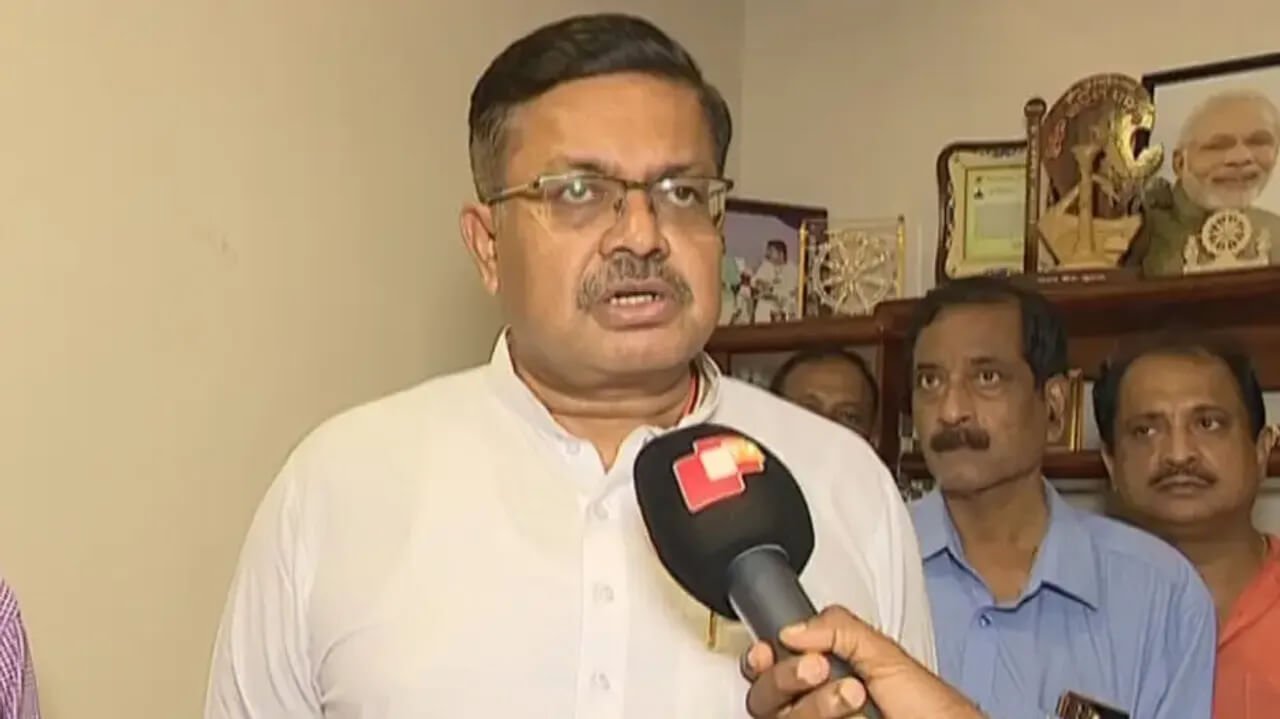
Reacting to the findings, senior Jagannath Temple sevayat Binayak Das Mohapatra called for greater transparency regarding the survey results.
He said Emar Mutt holds deep historical significance, noting that gold and silver bricks had previously been discovered there, and that philosopher Ramanuja is believed to have visited the site.
Mohapatra urged authorities to make the survey findings public and suggested further archaeological exploration before new developments, such as the proposed library at the site, are undertaken.
Significance for Puri’s History
Experts believe the discoveries could help uncover layers of Puri’s historical settlement, potentially revealing how the sacred city evolved around the Jagannath Temple over centuries.
If verified through excavation, the findings may significantly expand understanding of Srikhetra’s archaeological and cultural heritage, offering new insights into the region’s past.