
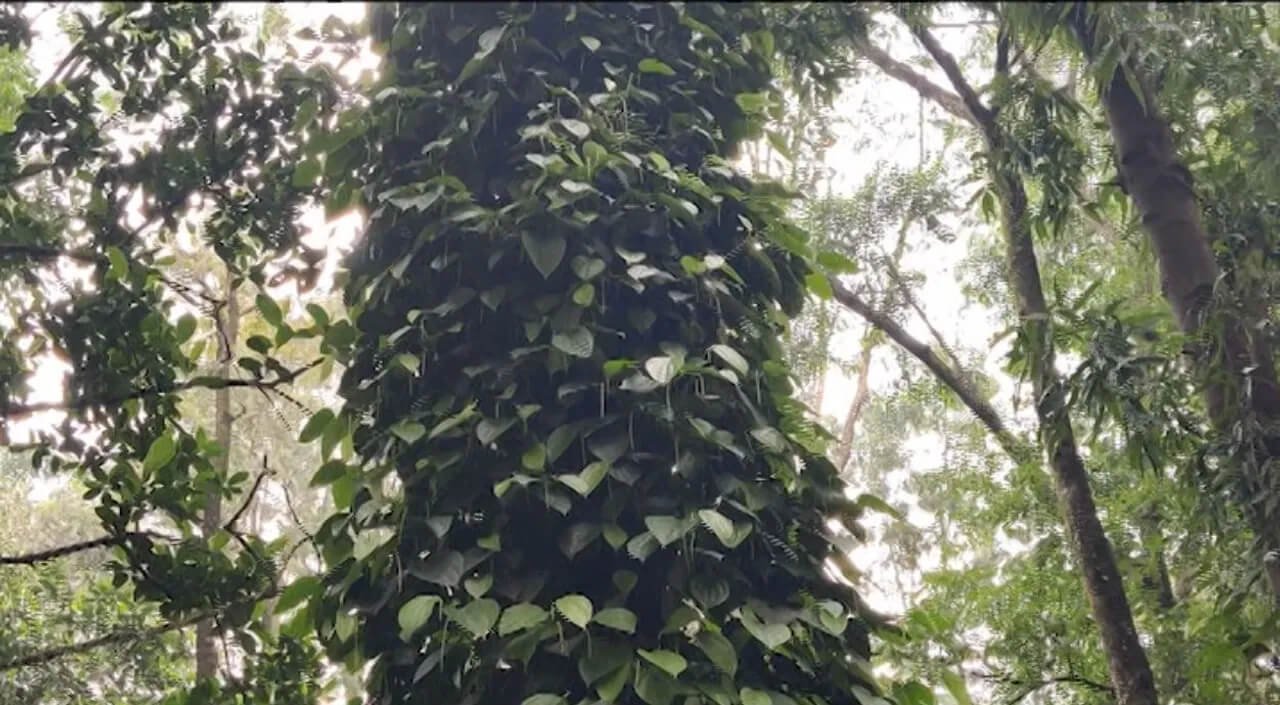
Koraput: Changing weather conditions and irregular rainfall have emerged as a major concern for pepper growers in Odisha’s Koraput district, with the crop’s flowering cycle significantly delayed this year.
Pepper plants, which normally begin flowering during June and July, have experienced disrupted flowering due to fluctuations in rainfall. Farmers fear the delay could affect the quantity, quality and timing of the eventual harvest.
Irregular Rainfall Disrupts Flowering
Pepper cultivation generally benefits from light to moderate rainfall during the flowering period. However, rainfall patterns this year have been inconsistent, affecting the natural flowering process.
Several plants reportedly failed to flower properly, while some flowers that did emerge withered and dropped before developing further.
The flowering process has now extended into the third week of August, much later than the usual cycle. Farmers are concerned that the delayed flowering could ultimately affect fruit formation and overall production.
“Pepper cultivation has been affected due to the changing weather patterns. Usually, pepper plants flower during June and July when there is light to moderate rainfall and fruits come out by the first week of August. However, irregular rainfall during this period disrupted flowering,” said farmer Surjya Kumar Pradhan.
Farmers Worried About Yield and Quality
The timing of flowering is considered crucial for pepper production. A reduction in the number of flowers could result in fewer fruits and seeds, while irregular development could affect the size and weight of the produce.
Farmers are also concerned that the altered growing cycle could have an impact on the quality of pepper harvested later in the season.
Since pepper is a long-duration crop requiring significant investment and patience, any disruption during a critical stage can create uncertainty for growers.
Pepper Cultivation Expanding in Koraput
Despite the current weather-related concerns, pepper cultivation has been gaining popularity in Koraput because of its production potential.
According to district-level data from the Horticulture Department, pepper cultivation covered around 151 hectares in 2024-25, increasing to 225 hectares in 2025-26.
Apart from the government-recorded cultivation area, private cultivation is reportedly spread across approximately 500 hectares in the district.
The expansion indicates growing interest among farmers in pepper as a commercial crop.
Farmers Wait Several Years for Production
Pepper cultivation requires a long-term commitment from farmers. Plants generally begin producing fruit around three years after planting and, with proper care, can continue producing for approximately 15 years.
The production target is estimated at around six quintals per hectare.
Because farmers have to wait several years before receiving the first substantial harvest, weather disruptions during important growth stages can create considerable uncertainty over future returns.
Experts Suggest Preventive Measures
Officials associated with the Koraput Coffee Board acknowledged that changing weather conditions are likely to have an impact on pepper cultivation.
However, they said there is still a possibility of the crop developing properly if farmers take appropriate measures.
According to Koraput Coffee Board SLO Biswa Ranjan Bhoi, the rainfall deficit disrupted flowering, and it remains uncertain whether the delayed flowers will successfully develop into fruits.
He advised farmers to ensure adequate application of potash fertiliser and prevent waterlogging, which could further damage the plants.
Climate Variability Adds to Concerns
Agriculture officials also pointed towards the broader impact of climate change and fluctuations in humidity on pepper cultivation.
For farmers in Koraput, the immediate concern is whether the delayed flowering will translate into adequate fruit formation in the coming weeks.
With the flowering cycle already significantly behind its usual schedule, growers are now closely monitoring their plantations and waiting to see whether the crop can recover and deliver a satisfactory yield.