
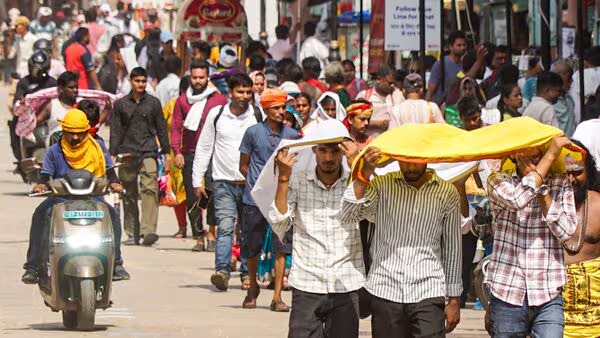
Odisha is expected to continue witnessing severe heatwave conditions for at least the next five days, with the Regional Meteorological Centre in Bhubaneswar forecasting no immediate relief from the ongoing intense summer spell across the state.
The weather department has issued a Yellow Warning for 15 districts as temperatures are likely to rise further in several regions of Odisha. From western Odisha to the coastal belt, residents are struggling with scorching daytime temperatures, warm nights and high humidity levels.
According to the Meteorological Centre, the prevailing heatwave conditions are expected to continue till May 26, while temperatures may rise by another 2 degrees Celsius over the coming days, further worsening discomfort.
Bhubaneswar Meteorological Centre Director Manorama Mohanty said that heatwave conditions, warm nights and humid weather are likely to persist across Odisha for the next several days.
Temperatures Cross 45°C In Several Areas
The impact of the intense weather conditions was clearly reflected in temperature readings recorded across the state on Wednesday.
Jharsuguda recorded a maximum temperature above 45 degrees Celsius, making it one of the hottest places in the state. Six other cities also reported temperatures crossing 44 degrees Celsius, while more than 22 cities recorded temperatures above 40 degrees Celsius.
The combination of extreme daytime heat and unusually warm nights has significantly increased discomfort levels for residents across multiple districts.
Experts Explain ‘Heat Dome’ Effect Behind Extreme Weather
Weather experts attributed the prolonged spell of intense heat to the formation of a high-pressure zone, commonly referred to as a “heat dome.”
Environmentalist Jay Krushna Panigrahi explained that under such conditions, heat generated by strong solar radiation becomes trapped near the earth’s surface.
According to experts, when solar radiation heats the ground, water evaporates and rises into the atmosphere. However, due to the influence of the high-pressure system, the warm air remains compressed near the surface, restricting cloud formation and rainfall activity. This process leads to sustained high temperatures and prolonged heatwave conditions.
Authorities Urge Public To Take Precautions
Authorities have advised people to avoid direct exposure to sunlight during peak afternoon hours, remain hydrated and take precautions against heat-related illnesses.
Vulnerable groups including children, elderly persons, outdoor workers and people suffering from chronic illnesses have been urged to remain especially cautious during the ongoing heatwave conditions.