
In a major policy move aimed at strengthening rural livelihoods, Union Agriculture, Farmers Welfare and Rural Development Minister Shivraj Singh Chouhan on Monday announced that the Centre has issued the notification for the Viksit Bharat-Guarantee for Rozgar and Ajeevika Mission-Gramin (VB-G RAM G) Act, 2025.
The new legislation will come into force across India from July 1, 2026, guaranteeing 125 days of employment every year to rural households—an increase from the current 100-day guarantee under the existing Mahatma Gandhi National Rural Employment Guarantee Act framework.
125 Days Employment Under New Rural Job Guarantee
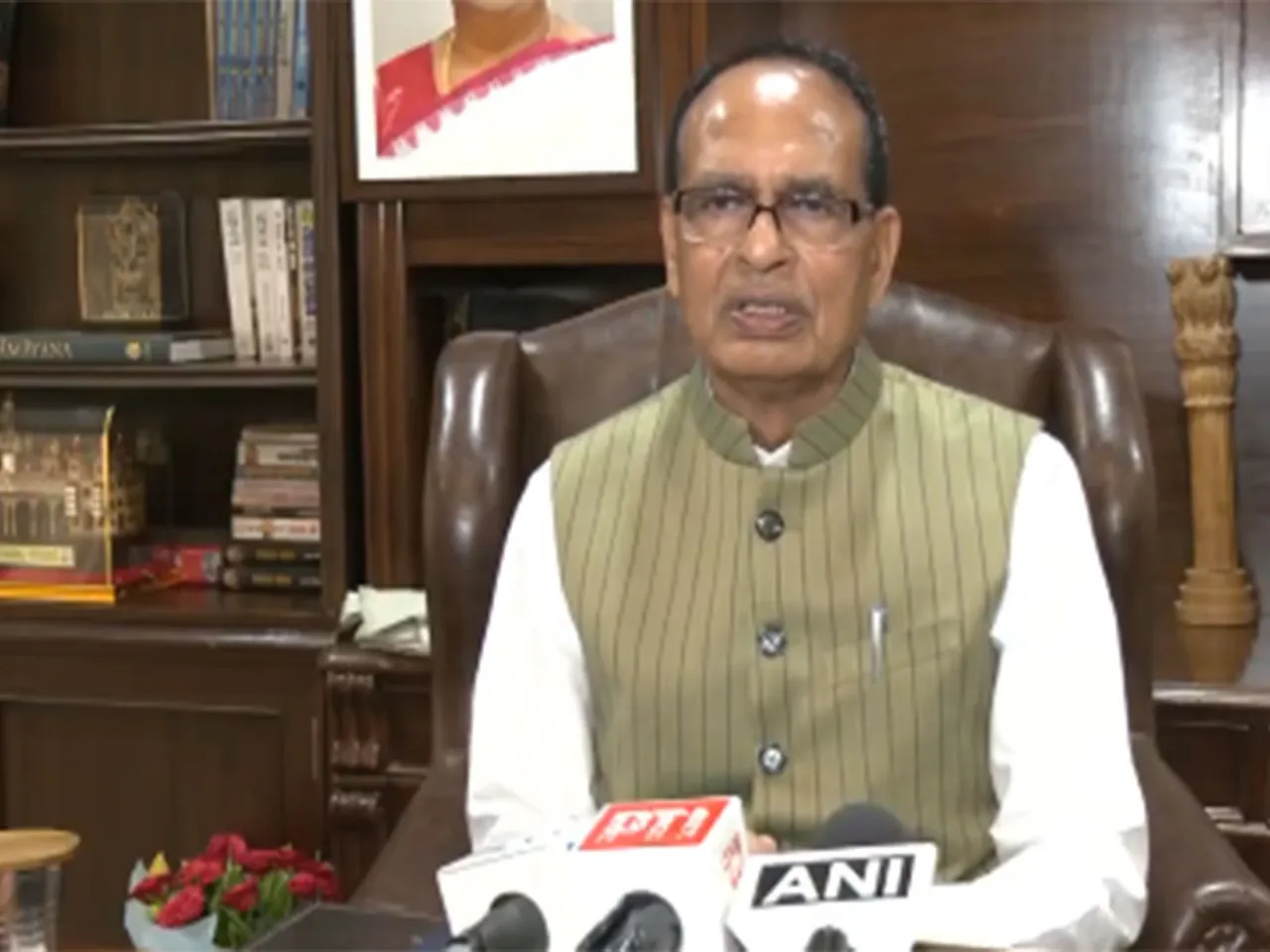
Addressing reporters, Chouhan said the new law marks a significant expansion of rural employment support under the Centre’s Viksit Bharat vision.
“The notification of the Viksit Bharat-G RAM G Act has been issued. Starting July 1, our brothers and sisters seeking employment in rural areas will be employed for 125 days per year, not 100 under the Viksit Bharat-G RAM G Act,” he said.
The new programme is being positioned as a modernised successor to the existing rural employment guarantee mechanism and is expected to widen livelihood security in villages across the country.
MGNREGA Provisions To Continue During Transition
The Union minister clarified that all ongoing provisions of the current rural employment scheme will remain operational during the transition period.
According to him, incomplete projects and pending works already sanctioned under the existing framework will continue to be executed until the rollout date of the new law.
“All provisions of MGNREGA will remain in effect during the interim period. Unfinished work will be completed under MGNREGA until July 1,” Chouhan said.
This transition arrangement is intended to ensure there is no disruption in employment opportunities or rural development works.
States Given Six Months To Prepare
The Centre has also granted states a six-month preparation window to complete administrative and operational arrangements needed for implementation.
Chouhan said most states are expected to put the necessary systems in place within that period. However, even if preparations remain incomplete, funding after July 1 will follow the new framework.
“Under Viksit Bharat-G RAM G, most states will have six months to complete the required preparations. However, after July 1, if any state fails to complete the required preparations, the funding pattern for the work will be under the Viksit Bharat-G RAM G scheme,” he stated.
Over Rs 95,600 Crore Allocated In Budget
To support implementation of the new law, the Centre has earmarked a substantial financial outlay in the Union Budget.
Chouhan said more than Rs 95,600 crore has been allocated for the rollout of the new rural employment guarantee programme.
The allocation signals the Centre’s intention to strengthen rural economic resilience while creating a more expansive employment safety net.
Wider Impact On Rural Economy And Labour Market
The new scheme is expected to have wider implications beyond rural employment generation.
Economists believe that the guarantee of 125 days of government-backed employment could increase rural purchasing power, benefiting sectors such as FMCG, agri-inputs, farm equipment and other businesses dependent on rural demand.
At the same time, industries relying heavily on rural labour—especially construction, agriculture-linked private work and informal sector activities—may face tighter labour availability and rising wage pressures as workers gain access to assured government employment.
With the launch of the VB-G RAM G Act, the Centre is positioning rural employment as a key pillar of its broader economic and social development roadmap under the Viksit Bharat vision.