
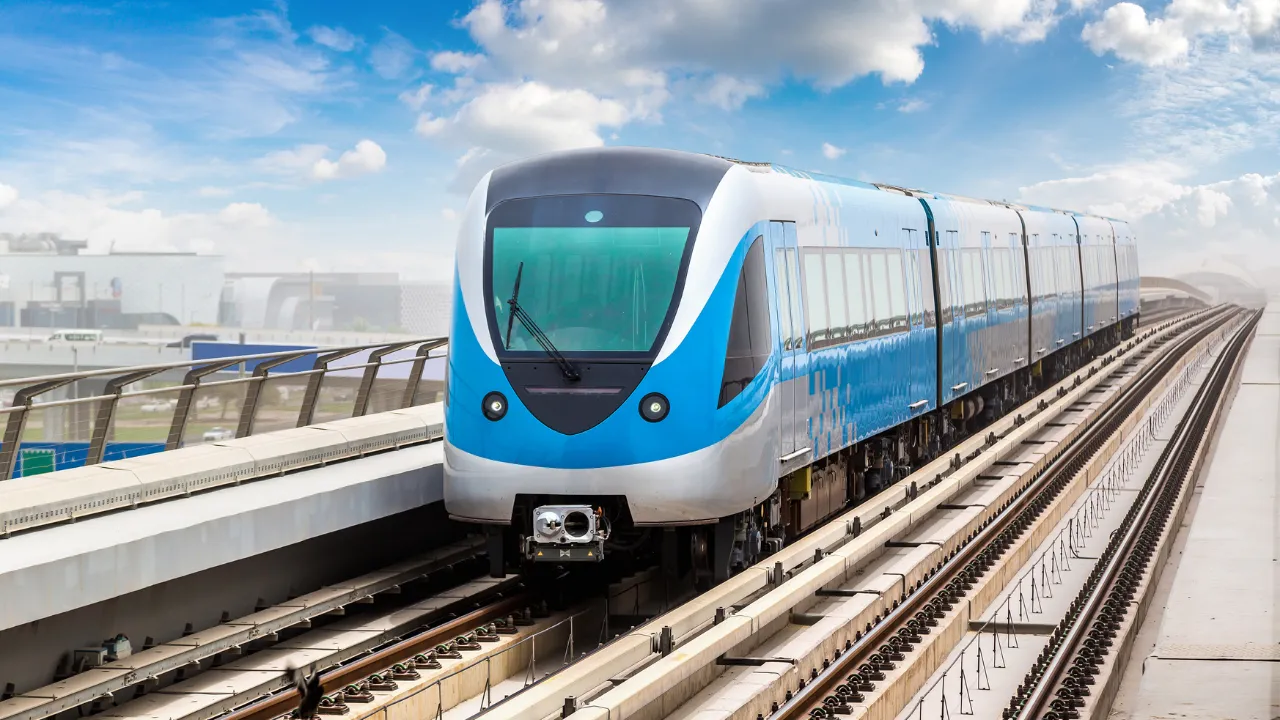
New Delhi: In a significant push toward strengthening urban transport infrastructure, the Union Cabinet chaired by Prime Minister Narendra Modi has approved the Jaipur Metro Phase-2 project, a major expansion of the city’s metro network.
The new 41-kilometre North–South metro corridor, estimated to cost ₹13,037.66 crore, will connect Prahladpura to Todi Mod and include 36 metro stations. The project will be implemented by the Rajasthan Metro Rail Corporation Limited (RMRCL), a joint venture between the Government of India and the Government of Rajasthan.
Connecting Key Areas of Jaipur
The upcoming metro corridor is designed to improve connectivity across several major economic and residential hubs in the Pink City. The route will link important locations including:
- Sitapura Industrial Area
- Vishwakarma Industrial Area (VKIA)
- Jaipur International Airport
- Tonk Road
- SMS Hospital
- Jaipur Stadium
- Ambabari
- Vidhyadhar Nagar
Some stations near the airport zone will be underground, while the rest of the corridor will feature a mix of elevated and surface sections.
The Phase-2 corridor will also be integrated with the existing Phase-1 metro line, ensuring seamless interchange facilities and feeder services for passengers. This integration is expected to create a continuous and unified metro network across Jaipur.
Boost to Public Transport and Ridership
Currently, the Jaipur Metro Phase-1 corridor connects Mansarovar to Badi Chaupar along an 11.64-kilometre East–West line with 11 stations. The line handles an average daily ridership of around 60,000 passengers.
With the addition of Phase-2, authorities expect a significant rise in passenger numbers, encouraging more residents to shift from private vehicles to public transport.
This expansion is expected to:
- Reduce traffic congestion across Jaipur
- Improve urban mobility
- Offer a cleaner and more efficient transportation option
- Cut vehicular emissions and pollution
Strong Economic and Policy Backing
The project has undergone extensive evaluation, including reviews by the Inter-Ministerial Consultation, Network Planning Group, and the Public Investment Board.
Officials stated that the project has shown a strong Economic Internal Rate of Return (EIRR) of more than 14%, highlighting its socio-economic viability.
Funding for the project will come through a mix of:
- Equity support from the central and state governments
- Subordinate debt
- Multilateral financing
The funding structure follows the Metro Rail Policy, 2017, which encourages sustainable and financially viable urban transit projects.
Alignment With Urban Development Policies
The Jaipur Metro Phase-2 project aligns with several key policy frameworks, including:
- Rajasthan Transit-Oriented Development (TOD) Policy-2025
- Proposed Urban Mobility Transport Authority (UMTA) reforms
- National sustainable urban transport goals
The expansion is expected to play a major role in supporting planned urban growth and transit-oriented development across the city.
Project Timeline and Future Impact
The project is scheduled for completion by September 2031. Once operational, the North–South corridor will significantly enhance citywide connectivity, benefiting residents, workers, students, and tourists.
Officials believe the metro expansion will help position Jaipur as a modern, future-ready city, contributing to the broader vision of “Viksit Bharat” and “Viksit Rajasthan.”
By improving connectivity and reducing reliance on private vehicles, the Jaipur Metro Phase-2 project is expected to transform urban mobility while improving the overall quality of life in the city.