
New Delhi: Users of WhatsApp, Telegram and other messaging applications may need to keep their registered SIM cards active in their phones from January 1, 2027, under the government’s proposed SIM-binding requirements. The Department of Telecommunications (DoT) has set December 31, 2026, as the compliance deadline for messaging platforms to implement the rules, which aim to curb cybercrime and prevent the misuse of Indian mobile numbers.
Under the proposed framework, messaging services that use Indian mobile numbers for registration would need to ensure that the registered number remains linked to an active SIM card or eSIM present in the device. Users could face restrictions if the registered SIM is removed, deactivated or replaced.
The proposed changes could particularly affect people who use messaging applications over Wi-Fi or access their accounts on secondary devices while keeping the registered SIM in another phone.
What Are the New SIM Binding Rules?
SIM binding is a proposed requirement that links a messaging account to an active SIM card associated with the mobile number used during registration.
Currently, some users can continue accessing messaging applications even after removing the SIM card used to create their accounts, provided they remain logged in and have an internet connection.
Under the proposed requirements, messaging platforms would need to verify that the registered number is associated with an active SIM or eSIM present in the device. If the required verification fails, the service could restrict account functionality until the registered number is restored through a valid SIM connection.
The government intends to strengthen the connection between mobile numbers and messaging accounts, making it more difficult for fraudsters to operate accounts using numbers that are no longer actively connected to the original SIM.
DoT Sets December 31, 2026, Compliance Deadline
The Department of Telecommunications has set December 31, 2026, as the deadline for messaging platforms to comply with the proposed SIM-binding requirements.
The changes are expected to take effect from January 1, 2027, subject to the applicable directions and implementation arrangements.
The government reportedly extended the compliance deadline after receiving representations from industry stakeholders. The additional time is intended to give messaging platforms an opportunity to implement the necessary technical changes.
Users should watch for official announcements from the DoT and individual messaging platforms to understand the final requirements and how they will be implemented.
Why Is the Government Introducing SIM Binding?
The proposed rules form part of the government’s broader efforts to combat cybercrime, phishing operations, impersonation and digital arrest scams.
According to the DoT, fraudsters have exploited Indian mobile numbers by obtaining SIM cards, registering messaging accounts and subsequently operating those accounts from outside India.
Such accounts can potentially be used to contact victims, impersonate officials or trusted individuals, send fraudulent messages and carry out other forms of cybercrime.
The government believes that linking messaging accounts more closely to active, KYC-verified mobile connections could make it harder to misuse Indian numbers for cross-border fraud.
The move also comes amid concerns over financial losses suffered by Indian consumers due to cyber fraud. Authorities are seeking to strengthen safeguards around mobile-number-based digital services.
Will WhatsApp and Telegram Be Affected?
WhatsApp and Telegram are among the platforms expected to fall within the scope of the proposed requirements because they use phone numbers for account registration and identification.
If the rules are implemented as described, users may need to ensure that the SIM associated with their messaging account remains active and available on the device.
Reports suggest that Snapchat may not fall under the same mandate, while the position regarding Signal remains unclear. The final scope of the requirements and the obligations of individual platforms should be confirmed through official directions.
Users should not assume that every messaging application will follow identical procedures, as implementation may depend on the final rules and each platform’s technical arrangements.
Will WhatsApp Stop Working on Older iPhones or Android Phones?
The proposed SIM-binding requirements are not described as a restriction targeting particular iPhone or Android models.
Instead, the reported changes concern SIM verification and the connection between a messaging account and its registered mobile number.
This means that the main issue for users would be whether the registered SIM meets the applicable requirements, rather than whether their phone belongs to a particular brand.
Users should nevertheless check official WhatsApp announcements for any separate changes to supported devices or operating-system requirements.
Who Could Be Most Affected by the New Rules?
The proposed requirements could have a greater impact on certain categories of users.
1. Users Who Keep Their SIM in a Secondary Phone
People who register WhatsApp on one device but keep the associated SIM card in another phone may need to reconsider their setup if the rules require the registered SIM to be present in the device running the messaging application.
2. Users Who Remove Their SIM After Registration
Some users remove the registered SIM after setting up a messaging account and continue using the application through Wi-Fi. Such users could face restrictions if the platform cannot verify the required active SIM connection.
3. Users Who Rely Mainly on Wi-Fi
People who rarely use mobile services and depend primarily on Wi-Fi may need to ensure that their registered number remains active and satisfies the final verification requirements.
4. Dual-SIM Phone Users
Users with dual-SIM smartphones should check that the number registered with their messaging application remains active and meets the platform’s requirements. The precise steps may depend on how each service implements SIM verification.
Will eSIM Users Face Any Problems?
The proposed framework is expected to cover both physical SIM cards and eSIM profiles.
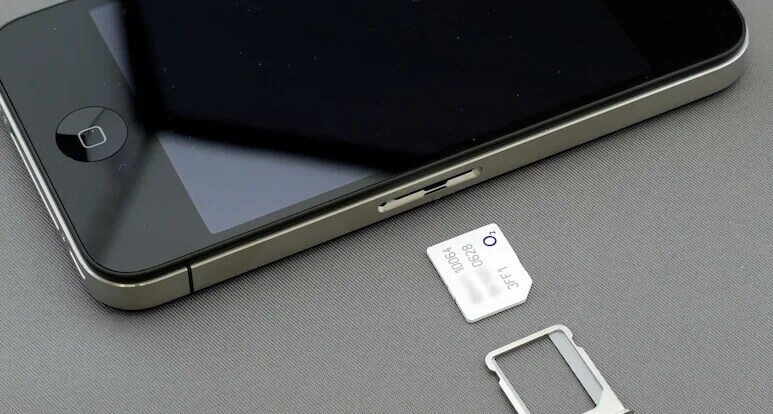
An eSIM is a digital SIM profile that allows a compatible device to connect to a mobile network without requiring a removable physical SIM card.
Based on the reported requirements, users should not face problems solely because they use an eSIM instead of a physical SIM. However, the registered number would still need to meet the applicable active-SIM verification conditions.
Users who change devices, transfer an eSIM or replace their registered number should follow the relevant mobile operator’s instructions and the messaging platform’s account-verification process.
What Should WhatsApp and Telegram Users Do Now?
With the compliance deadline approaching, users can take a few precautionary steps:
- Keep the registered mobile number active: Avoid allowing the number linked to the messaging account to become inactive.
- Check where the registered SIM is installed: Users who operate messaging apps on secondary devices should monitor official guidance about SIM-presence requirements.
- Be careful when changing SIM cards: Follow the platform’s verification procedure when replacing a SIM or transferring an eSIM.
- Watch for official announcements: Check updates from the DoT and messaging platforms before making major changes to device settings.
- Avoid unnecessary account changes: Do not uninstall applications or reset accounts based solely on unverified social media claims.
The exact user experience will depend on the final directions and the way messaging platforms implement the requirements.
SIM Binding Rules: What Users Should Remember
The government’s proposed SIM-binding framework aims to reduce the misuse of Indian mobile numbers for cyber fraud and other criminal activities. By requiring a closer link between messaging accounts and active SIM connections, authorities hope to make fraudulent accounts more difficult to operate.
However, the precise impact on individual users will depend on the final requirements and implementation by messaging platforms. Users should distinguish between confirmed official instructions and reports about how the rules might work.