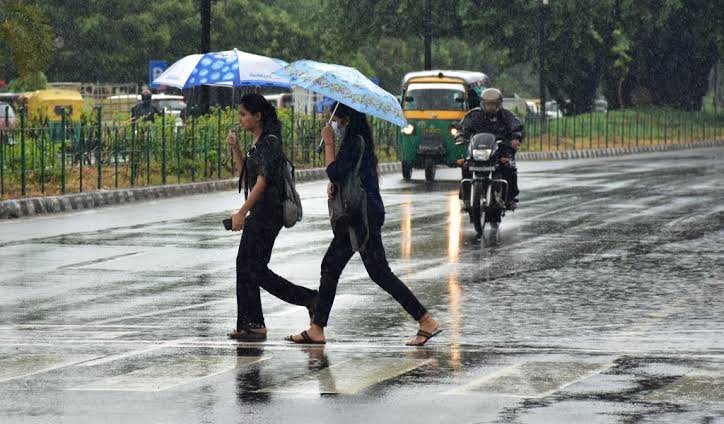

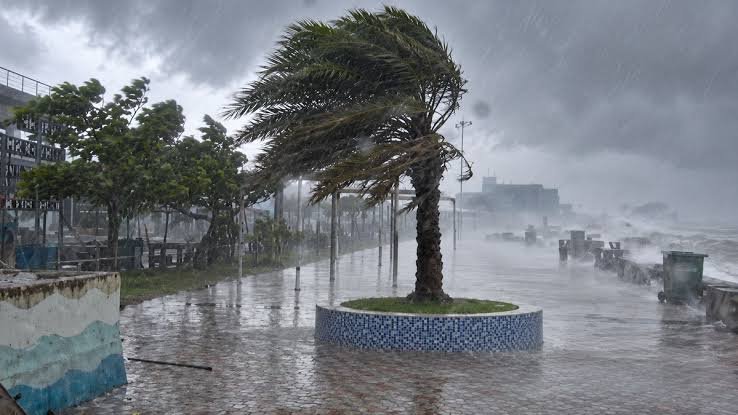
Bhubaneswar: The India Meteorological Department (IMD) has issued red warnings for heavy to very heavy rainfall in several districts of Odisha as a low-pressure system over the Bay of Bengal is expected to intensify over the coming days. The developing weather system may approach the north Andhra Pradesh–south Odisha coast on the morning of October 28, according to IMD Director General Mrutyunjay Mohapatra.
The system has already formed as a low-pressure area over the east-central Bay of Bengal. It is likely to intensify into a depression on October 24 and further strengthen into a deep depression on October 25.
However, the system’s exact track, intensity and potential landfall location remain uncertain and may change as it develops. The IMD is expected to provide further updates as new weather observations become available.
IMD Red Warning for Odisha on October 27 and 28
According to the IMD bulletin issued on Friday, heavy to very heavy rainfall is likely at a few places, with extremely heavy rainfall possible at isolated locations in Puri, Ganjam and Gajapati districts on October 27.
For October 28, the IMD has issued red warnings for Ganjam, Gajapati, Rayagada, Koraput and Malkangiri districts. Heavy to very heavy rainfall is expected at a few places, while extremely heavy rainfall may occur at one or two locations.
The warnings indicate the potential for intense rainfall, making it important for residents to monitor official weather updates and follow instructions issued by local authorities.
Orange Warning Districts for October 27
The IMD has issued orange warnings for the following 15 districts on October 27:
- Mayurbhanj
- Keonjhar
- Balasore
- Bhadrak
- Kendrapara
- Jagatsinghpur
- Jajpur
- Cuttack
- Nayagarh
- Dhenkanal
- Khordha
- Kandhamal
- Rayagada
- Koraput
- Malkangiri
The orange warning signals the possibility of significant rainfall and the need for preparedness in the affected areas.
Orange Warning Districts for October 28
For October 28, orange warnings have been issued for the following 15 districts:
- Mayurbhanj
- Keonjhar
- Balasore
- Bhadrak
- Kendrapara
- Jagatsinghpur
- Jajpur
- Cuttack
- Puri
- Nayagarh
- Dhenkanal
- Khordha
- Kandhamal
- Kalahandi
- Nabarangpur
Residents in these districts should remain alert to changing weather conditions and follow any updated advisories issued by the IMD and district administrations.
Yellow Warning Districts for October 27
The IMD has also issued yellow warnings for four districts on October 27:
- Angul
- Boudh
- Kalahandi
- Nabarangpur
Residents in these areas should remain aware of changing weather conditions and keep track of further forecasts.
Yellow Warning Districts for October 28
For October 28, yellow warnings have been issued for the following 10 districts:
- Angul
- Boudh
- Sundargarh
- Jharsuguda
- Sambalpur
- Deogarh
- Subarnapur (Sonepur)
- Bargarh
- Bolangir
- Nuapada
The warnings highlight the possibility of rainfall across several parts of western and northern Odisha as the weather system develops over the Bay of Bengal.
Potential Cyclone Track and Landfall Remain Uncertain
IMD Director General Mrutyunjay Mohapatra has indicated that the developing system may approach the north Andhra Pradesh–south Odisha coast on the morning of October 28.
Before reaching that stage, the system is forecast to strengthen from a low-pressure area into a depression on October 24 and a deep depression on October 25.
However, its eventual intensity, direction of movement and landfall location have not been confirmed. Forecasts may change as the system develops, making subsequent IMD bulletins important for understanding the potential impact on Odisha.
The possibility of cyclone formation should therefore be treated as a developing weather scenario rather than a confirmed outcome.
Advisory for Residents as Heavy Rainfall Is Forecast
With red, orange and yellow warnings covering multiple districts, residents should follow official weather bulletins and advisories from local administrations.
People in areas forecast to receive intense rainfall should remain alert to possible waterlogging, localised flooding and disruptions to road transport. Residents should avoid entering flooded roads or flowing water and follow instructions issued by emergency services.
Fishermen and people undertaking marine activities should also follow official coastal and sea-condition advisories.
Further updates from the IMD will be important in determining the system’s development, rainfall distribution and potential impact on Odisha’s coastline.