
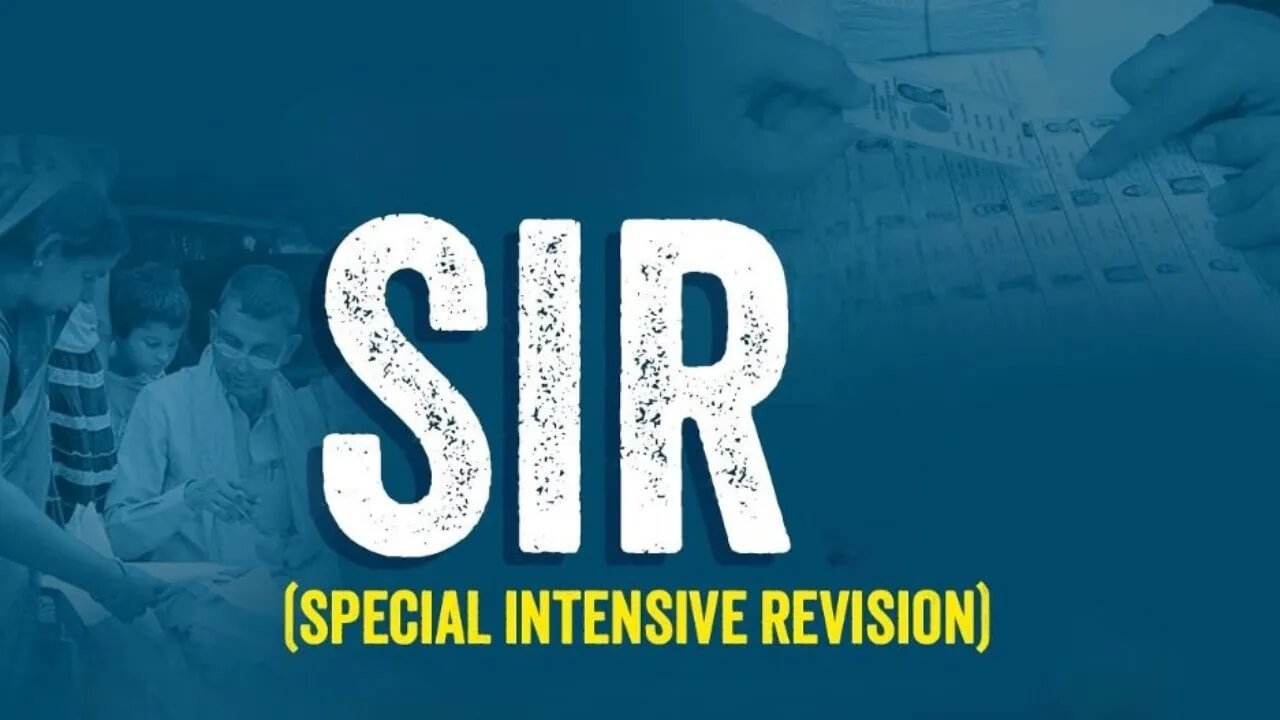
Bhubaneswar: Odisha Chief Minister Mohan Charan Majhi has described the Special Intensive Revision (SIR) of electoral rolls as a necessary and constructive exercise to ensure accurate voter lists and strengthen public confidence in the democratic process.
Majhi shared his views on social media platform X amid protests by opposition parties in Delhi against the electoral roll revision exercise. He emphasised that free and fair elections depend on the credibility of voter lists and the protection of every eligible citizen’s right to vote.
According to the Chief Minister, the revision process can help identify errors in electoral records, remove duplicate entries, update outdated information and ensure that eligible voters are included in the electoral rolls. At the same time, he stressed the importance of conducting the exercise carefully so that no legitimate voter is wrongly excluded.
CM Majhi Calls SIR Important for Accurate Electoral Rolls
In his remarks, Majhi highlighted the importance of maintaining reliable electoral records as a foundation for credible elections. He said that errors in voter lists, including duplicate registrations, outdated records and the continued presence of deceased persons’ names, could affect the accuracy of electoral rolls.
The Special Intensive Revision is intended to examine electoral records and identify discrepancies that require correction. Such revisions can help authorities update voter information and improve the accuracy of the lists used during elections.
According to Majhi, maintaining accurate voter lists is not simply an administrative responsibility. It is also an important part of protecting electoral integrity and ensuring that the democratic process commands public trust.
He maintained that reliable records are essential for ensuring that the electoral system reflects the participation of eligible citizens and supports the conduct of free and fair elections.
SIR Aims to Remove Duplicate Entries and Update Records
One of the key objectives highlighted by the Chief Minister is the identification and correction of discrepancies in electoral rolls.
Voter lists may require updates when people change their residential addresses, when duplicate entries are identified or when records continue to contain the names of deceased individuals. A systematic revision can help electoral authorities identify such issues and make the necessary corrections.
The exercise also aims to ensure that eligible citizens are properly registered and their details are accurately reflected in the electoral database.
Accurate electoral rolls are important because they form the basis for voter verification and participation during elections. Errors in the records can create difficulties for voters and undermine confidence in the electoral process.
Majhi’s support for the revision exercise reflects his view that regular scrutiny of electoral rolls is necessary to maintain reliable records and strengthen the credibility of elections.
CM Emphasises Protection of Every Eligible Voter
While defending the need for electoral roll revision, Majhi also stressed that the process must protect the voting rights of every eligible citizen.
The Chief Minister said the exercise should be conducted fairly and with due diligence to ensure that legitimate voters are not mistakenly removed from the electoral rolls. Accurate records, he indicated, must go hand in hand with safeguards against the exclusion of eligible citizens.
The issue is particularly significant because electoral roll revisions directly affect the list of people eligible to participate in elections. Any errors during the process could create difficulties for citizens seeking to exercise their democratic rights.
A careful approach to verification and correction is therefore important to ensure that the revision achieves its intended purpose without depriving eligible voters of their right to vote.
Majhi also underlined the broader principles of electoral fairness, equal representation and respect for every vote, describing them as essential elements of a credible democratic system.
Opposition Parties Protest SIR Exercise in Delhi
The Chief Minister’s remarks came amid protests by opposition parties in Delhi over the Special Intensive Revision of electoral rolls.
The revision exercise has become a point of political debate, with opposition parties raising concerns through protests. Majhi, meanwhile, emphasised its potential role in improving the accuracy of electoral records and maintaining public confidence in elections.
The contrasting positions highlight the importance of transparency, accuracy and safeguards in the electoral roll revision process.
While the Chief Minister defended the exercise as necessary for maintaining credible voter lists, he also stressed that its implementation must protect the rights of all eligible citizens.
Accurate Voter Lists Crucial for Free and Fair Elections
Electoral rolls are a fundamental part of the election process because they identify the citizens eligible to vote. Maintaining updated and accurate records can help electoral authorities manage voter registration and reduce discrepancies.
However, the effectiveness of any revision exercise also depends on fair implementation, proper verification and appropriate procedures for addressing errors or disputed entries.
Ensuring that eligible citizens remain on the voter list is as important as identifying duplicate or outdated records. A balanced process can help improve the reliability of electoral rolls while protecting the democratic rights of voters.
Majhi’s remarks placed these issues at the centre of his argument in favour of SIR, emphasising that credible elections require both accurate records and protection of eligible voters.
SIR Debate Puts Electoral Integrity in Focus
The ongoing debate over the Special Intensive Revision has brought renewed attention to electoral roll management and the safeguards needed to maintain public confidence in elections.
For the revision process to achieve its objectives, accurate verification and fair treatment of voters remain important considerations. The identification of discrepancies must be accompanied by measures to ensure that eligible citizens can exercise their voting rights without unnecessary obstacles.
Majhi reiterated that electoral roll accuracy is closely connected to the credibility of the democratic process. His comments come at a time when opposition protests in Delhi have placed the revision exercise under political scrutiny.
The broader discussion centres on how electoral authorities can maintain reliable voter lists while ensuring that the rights of eligible citizens are fully protected.