
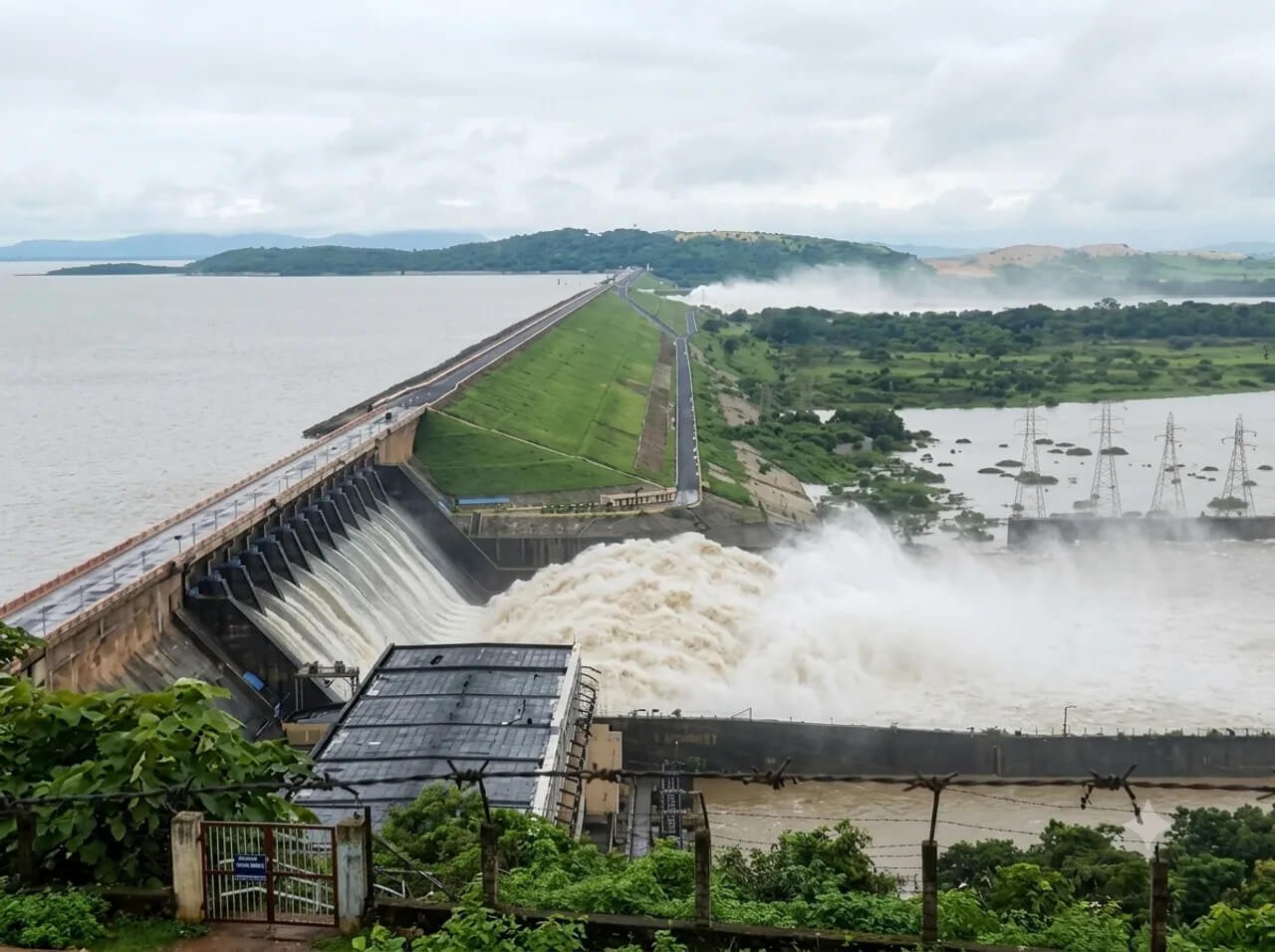
Bhubaneswar: The flood situation in Odisha intensified on Saturday as authorities opened five more gates of the Hirakud Dam following a rise in inflow into the reservoir. With the latest release, water is now being discharged through 13 gates, after eight gates had already been opened to manage the increasing water level.
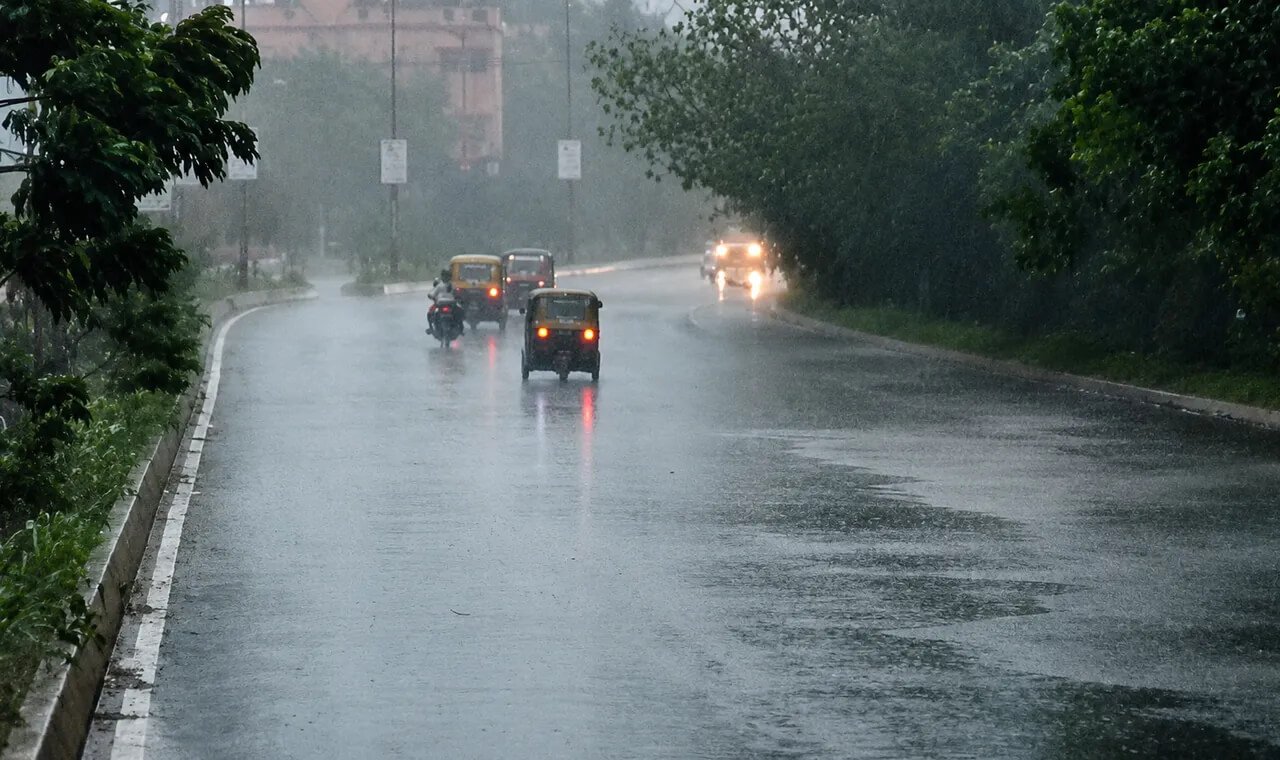
The development comes amid continued rainfall in several parts of the state and rising water levels in a number of rivers. Authorities are keeping a close watch on downstream areas, particularly regions vulnerable to flooding and inundation.
Hirakud Dam Increases Water Discharge
The decision to open additional sluice gates at Hirakud Dam was taken after water inflow into the reservoir increased from the upper catchment areas.
Hirakud Dam plays a crucial role in regulating water flow in the Mahanadi river system. During periods of heavy rainfall, controlled release of reservoir water is necessary to maintain the dam’s water level and manage incoming flows.
The opening of five additional gates has increased the volume of water being released downstream. Authorities are monitoring the situation closely, particularly as rainfall and river levels remain elevated in different parts of Odisha.
Residents living in vulnerable downstream areas are being advised to remain alert and follow instructions issued by local administrations.
Budhabalanga River Crosses Danger Mark in Balasore
The flood situation has become particularly concerning in Balasore district, where the Budhabalanga River has crossed its danger mark following heavy rainfall in its upper catchment areas.
The river was reportedly flowing at 8.50 metres, above its danger level of 8.13 metres. The rise in water level has increased the possibility of inundation in low-lying areas along the river basin.
The administration is keeping track of the river’s water level and the condition of vulnerable areas as additional rainfall could further increase the flow.
Subarnarekha Nears Danger Level
The Subarnarekha River has also recorded a significant rise in water level. At Rajghat, the river reached 10.15 metres, crossing its warning level and moving closer to the danger mark of 10.36 metres.
The narrow gap between the current water level and the danger mark has prompted increased monitoring of areas located along the river.
Officials are watching developments in the upper catchment areas as rainfall there can have a direct impact on downstream water levels.
Jalka River Adds to Flood Concerns
The Jalka River has also contributed to the worsening flood situation in Balasore, with rising water levels affecting areas located near its basin.
The combined impact of swollen rivers and continued rainfall has increased concerns about waterlogging and inundation in several low-lying pockets of the district.
Six Balasore Blocks Affected
Rising water levels in the Jalka, Budhabalanga and Subarnarekha rivers have affected six blocks of Balasore district.
The affected areas include:
- Balasore Sadar
- Remuna
- Basta
- Baliapal
- Jaleswar
- Bhograi
Heavy rainfall in upstream and upper catchment regions has contributed to increased river discharge, putting additional pressure on drainage systems and low-lying areas.
Administration Keeps Watch on Flood Situation
With multiple rivers showing rising water levels, authorities are closely monitoring the situation across affected districts. The opening of additional Hirakud gates and the rise in river levels in northern Odisha have made continuous assessment important.
The situation could change depending on further rainfall, upstream inflows and the rate at which river levels rise or recede. Local administrations are expected to remain prepared to respond to waterlogging, inundation and other flood-related challenges in vulnerable areas.
For residents in flood-prone locations, monitoring official advisories and avoiding unnecessary movement near swollen rivers and waterways remains important.