
Bhubaneswar: Odisha has selected Puri and Ganjam districts for the pilot implementation of the Integrated Cluster Development Initiative (ICDI), a programme aimed at strengthening agricultural and allied-sector value chains from farm-level production to processing, branding and market access.
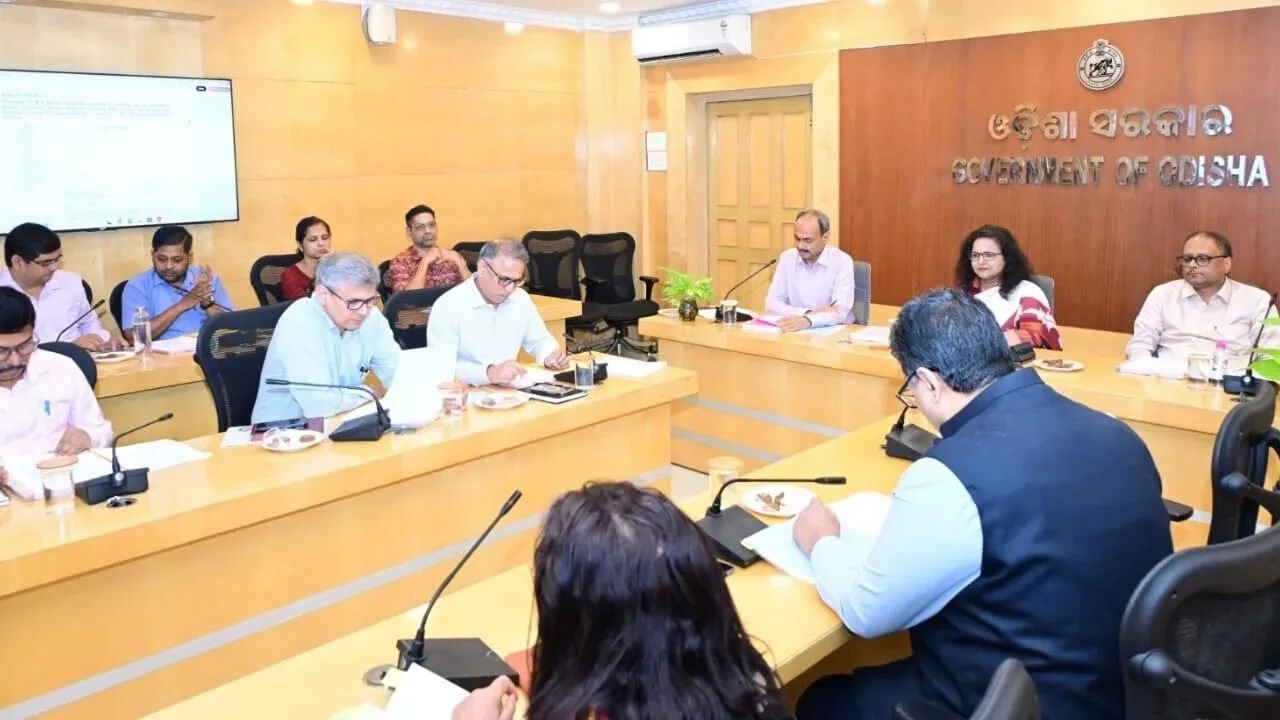
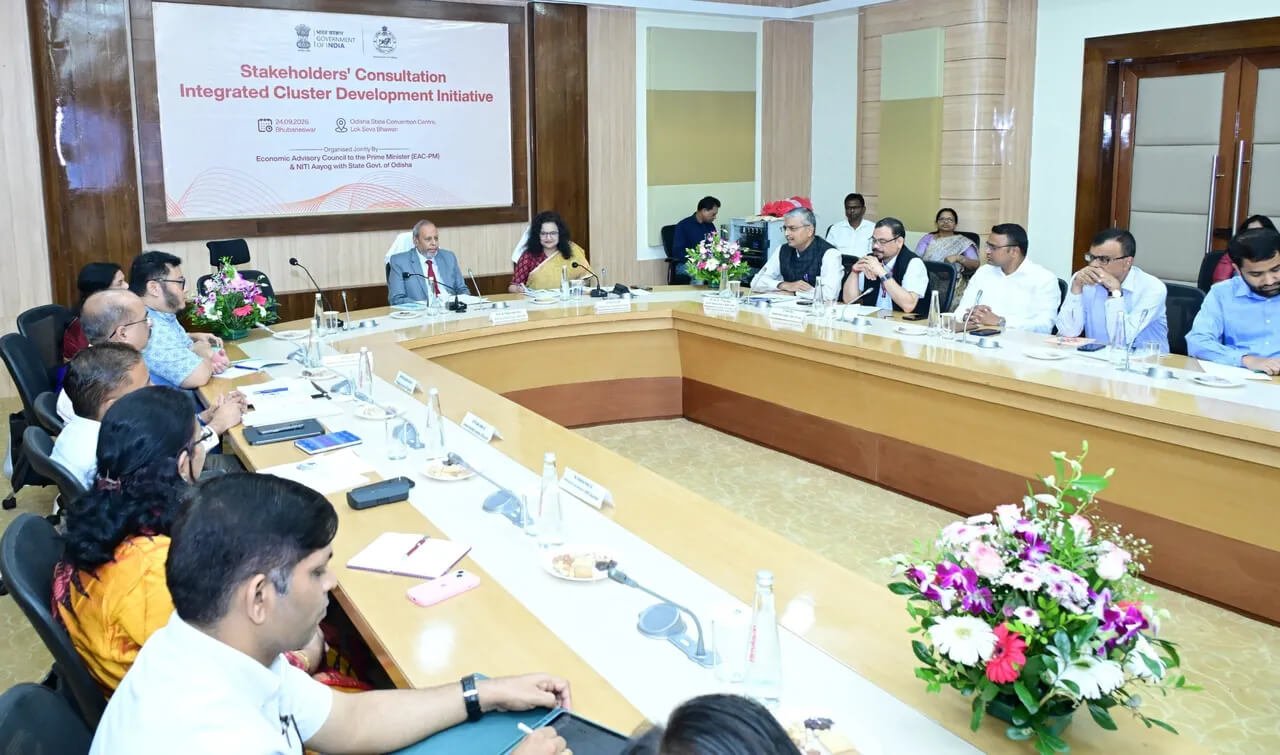
The decision was discussed during the first consultation workshop on ICDI held at the State Convention Centre in Lok Seva Bhawan, Bhubaneswar. The workshop was organised with support from the Economic Advisory Council to the Prime Minister (EAC-PM), NITI Aayog and the Odisha Department of Planning and Convergence.
Puri and Ganjam Chosen for Initial Pilot Clusters
During the consultation, officials discussed the proposed launch of pilot clusters in Puri and Ganjam. The initiative is expected to be expanded to other districts, including Angul, Dhenkanal, Sambalpur and Deogarh, in subsequent phases.
The cluster-based approach is designed to bring together different stages of the agricultural value chain. Instead of focusing only on increasing farm production, the initiative will seek to improve facilities and linkages related to collection, storage, cold-chain infrastructure, processing, value addition, branding and marketing.
Collectors from the districts involved in the proposed initiative participated in the consultation and discussions on the implementation strategy.
Odisha’s Horticulture Sector Offers Significant Potential
Agriculture and Farmers’ Empowerment Commissioner-cum-Secretary Sachin Ramchandra Jadhav highlighted the considerable potential of Odisha’s horticulture sector during the workshop.
According to the figures discussed, horticultural crops are currently cultivated across approximately 16.53 lakh hectares in Odisha. The state produces around 11.1 million metric tonnes of vegetables every year, highlighting the scale of its agricultural and horticultural production.
The state also has around 3.83 lakh farmers associated with 95 horticulture clusters. Under the proposed pilot initiative in Puri and Ganjam, officials are looking at commodities such as cashew, mango, vegetables and spices.
The planned interventions could help address some of the challenges faced after harvesting, particularly in areas such as scientific storage, transportation, processing and access to organised markets.
Focus on Farmers’ Organisations and Market Linkages
Strengthening Farmer Producer Organisations (FPOs) has emerged as an important component of the proposed cluster model.
FPOs can play a role in aggregating produce, improving farmers’ bargaining capacity and creating stronger connections with large buyers. Under the ICDI approach, greater emphasis is expected to be placed on connecting farmers and producer organisations with national as well as international markets.
Improved market linkages could also create opportunities for greater value addition and better utilisation of locally produced agricultural commodities.
Fisheries and Dairy Sectors Also Part of Initiative
The Integrated Cluster Development Initiative is not limited to crop-based agriculture. Fisheries and dairy have also been included within the broader cluster development framework.
For the dairy sector, discussions reportedly covered several areas, including livestock productivity, animal healthcare, fodder availability, milk collection, chilling infrastructure and value-added dairy products.
The inclusion of allied sectors is intended to create a more integrated rural economy by bringing different income-generating activities within a coordinated development framework.
Emphasis on Processing, Storage and Value Addition
A major feature of the proposed initiative is its focus on strengthening the agricultural value chain beyond the farm gate.
Technical discussions at the workshop covered field studies, situation analysis, institutional mechanisms, value addition and identification of potential clusters. The proposed clusters will be assessed on a range of parameters before implementation.
These include production capacity, market demand, processing opportunities, export potential, employment generation, inclusive growth and sustainability.
Such an approach could help identify locations where existing agricultural production can be connected with suitable infrastructure, processing facilities and markets.
Multiple Stakeholders Participate in Consultation
The consultation brought together officials and representatives from several departments and sectors. Senior state and district-level officials participated along with representatives from agriculture, horticulture, fisheries, dairy, cooperatives, financial institutions, research organisations and the private sector.
Subject experts also contributed to the technical discussions surrounding the proposed cluster model.
The multi-sectoral participation is intended to help create an implementation framework that addresses the different requirements of farmers, producer organisations, processors, traders and consumers.
Initiative Aims to Strengthen Rural Incomes
The broader objective of ICDI is to develop integrated clusters that can generate greater economic value from agricultural and allied-sector production.
By strengthening infrastructure for collection, cold storage, processing, packaging, branding and market access, the initiative aims to reduce gaps in the existing value chain and create more opportunities for farmers and rural communities.
The pilot phase in Puri and Ganjam is expected to provide an implementation model that can subsequently be considered for expansion to other districts of Odisha.
With the proposed integration of agriculture, horticulture, fisheries and dairy, the initiative represents an effort to move from a production-focused approach towards a more comprehensive farm-to-market value chain model.