
Bhubaneswar: The Odisha government has approved a major relief measure for pensioners by deciding to provide 7 per cent annual interest on delayed pension payments when the delay is caused by administrative negligence.
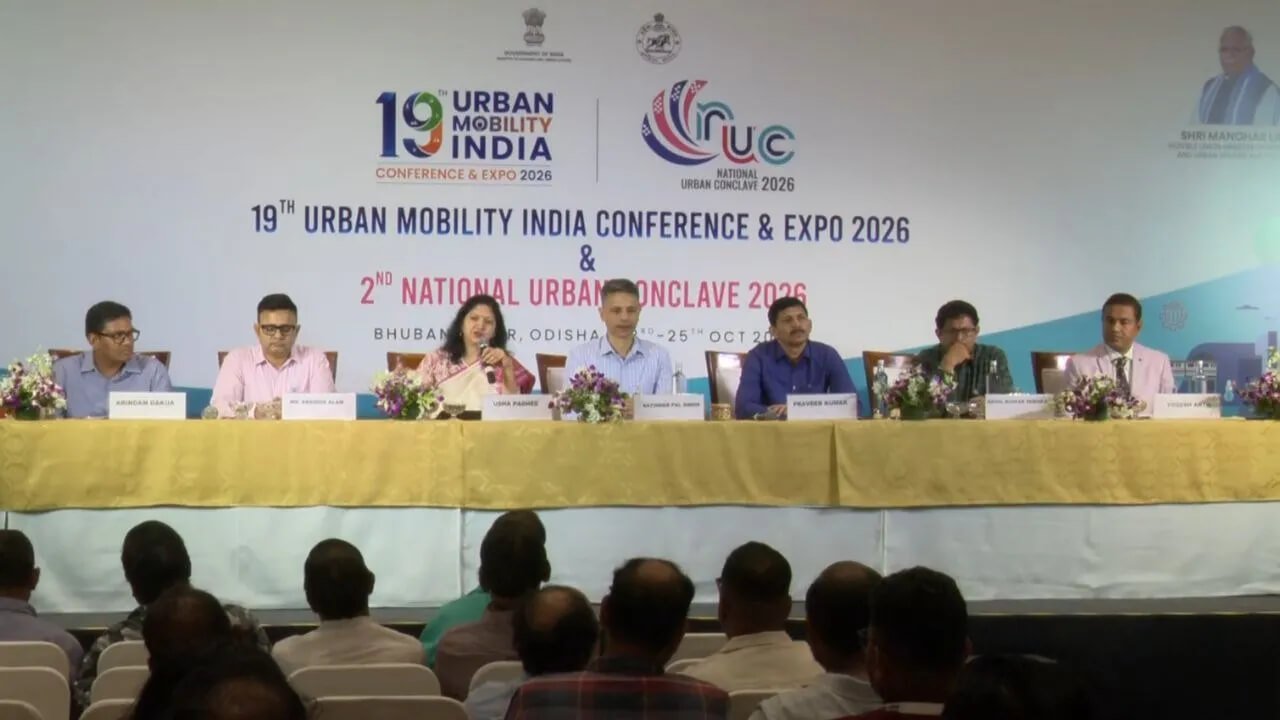
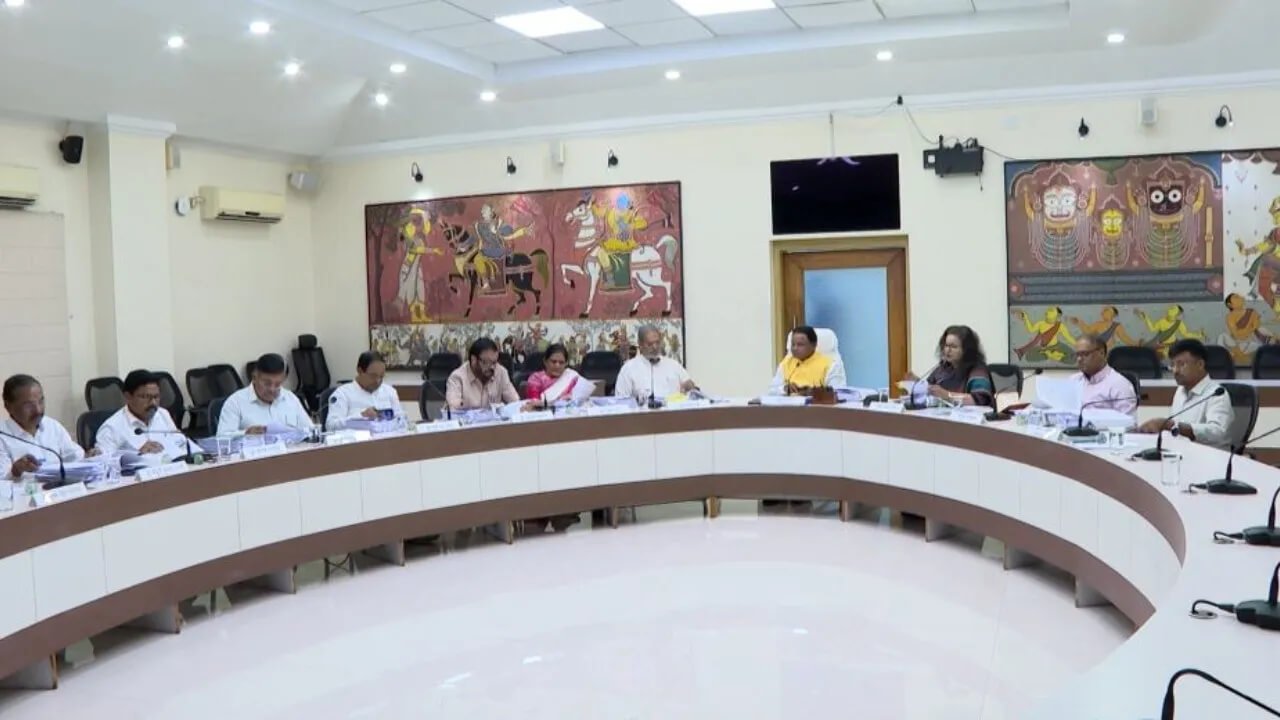
The decision was taken at the 47th Odisha Cabinet meeting, chaired by Chief Minister Mohan Charan Majhi on Monday. The Cabinet approved 18 proposals from 12 departments, covering pension rules, power transmission, education, recruitment and several other sectors.
The government said the decisions are aimed at accelerating development and supporting the broader vision of Developed Odisha 2036.
7% Interest for Pension Delays Caused by Administrative Lapses
Under the Cabinet-approved amendment to the Odisha Civil Services (Pension) Rules, 1992, eligible pensioners will receive annual interest at the rate of 7 per cent if their pension payments are delayed because of administrative negligence.
The move is expected to provide financial protection to retired government employees who face difficulties due to delays that are not attributable to them.
The amendment also signals an attempt by the state government to make the pension-disbursement process more accountable and ensure that administrative delays do not unnecessarily disadvantage pensioners.
Rs 15,948.70 Crore Investment in Power Transmission
One of the biggest decisions approved by the Cabinet is an investment proposal worth Rs 15,948.70 crore for strengthening and expanding Odisha’s electricity transmission network.
As part of the expansion, Odisha will establish a 765 kV transmission network for the first time. Three new grid substations are proposed at Khuntuni, Duburi and Kolabira.
The state is also planning a substantial increase in its high-voltage transmission infrastructure.
The number of 400 kV grid substations is expected to rise from five to 13, while 220 kV grid substations will increase from 48 to 75.
The expansion is expected to improve the capacity and reliability of the state’s transmission system and support growing electricity demand from industries, urban centres and other sectors.
AI-Based Maintenance for Floating Solar Projects
The Cabinet also approved plans for a dedicated transmission network and AI-based maintenance system for the proposed floating solar projects at Hirakud and Indravati.
The use of artificial intelligence in maintenance is expected to help monitor infrastructure, identify potential issues and improve operational efficiency.
The initiative reflects the government’s broader focus on combining technology with infrastructure development.
‘Panchasakha Shiksha Setu’ Scheme for Government Schools
In the education sector, the Cabinet approved a new initiative named Panchasakha Shiksha Setu to encourage greater public participation in the development of government schools.
Under the scheme, the government will provide a matching grant of twice the amount contributed by a donor.
For example, if an individual or organisation donates Rs 1 to a government school, the state government will contribute Rs 2 under the matching-grant mechanism.
However, the government’s matching contribution will be subject to a maximum limit of Rs 50 lakh.
The scheme is expected to encourage donors and other stakeholders to contribute towards improving facilities and infrastructure in government schools.
Single Recruitment Examination for Several Group-C Posts
The Cabinet also approved amendments to the Odisha Sub-Ordinate Staff Selection Commission (OSSSC) Rules, 2025.
Under the revised recruitment framework, a single Combined Recruitment Examination (CRE) will be conducted for Group-C posts in the Police, Jail, Excise and Forest departments.
The unified examination system is expected to streamline the recruitment process and provide candidates with a common selection platform for eligible posts across these departments.
The move could also reduce duplication in recruitment procedures and make the selection process more organised.
18 Proposals Approved Across 12 Departments
Apart from these major decisions, the Cabinet cleared a total of 18 proposals involving more than 12 departments.
The proposals covered several key areas, including Health, Home, General Administration, Agriculture and Cooperation, among others. The decisions included tender approvals, amendments to existing rules, new schemes and measures under the Jan Vishwas Act.
Odisha Chief Secretary Anu Garg said the Cabinet meeting, chaired by Chief Minister Mohan Charan Majhi, resulted in the approval of 18 proposals from 12 departments.
According to the Chief Secretary, the decisions included approvals related to four projects, rule amendments, five schemes and the Jan Vishwas Act.
Focus on Developed Odisha 2036
The Odisha government has described the Cabinet decisions as important steps towards achieving its long-term development vision of Developed Odisha 2036.
The combination of pension reforms, large-scale power infrastructure investment, technology-based maintenance, education funding and streamlined recruitment reflects the government’s focus on strengthening both public services and economic infrastructure.
The implementation of these decisions will now determine their impact on pensioners, students, job aspirants, schools and the state’s broader infrastructure development.