
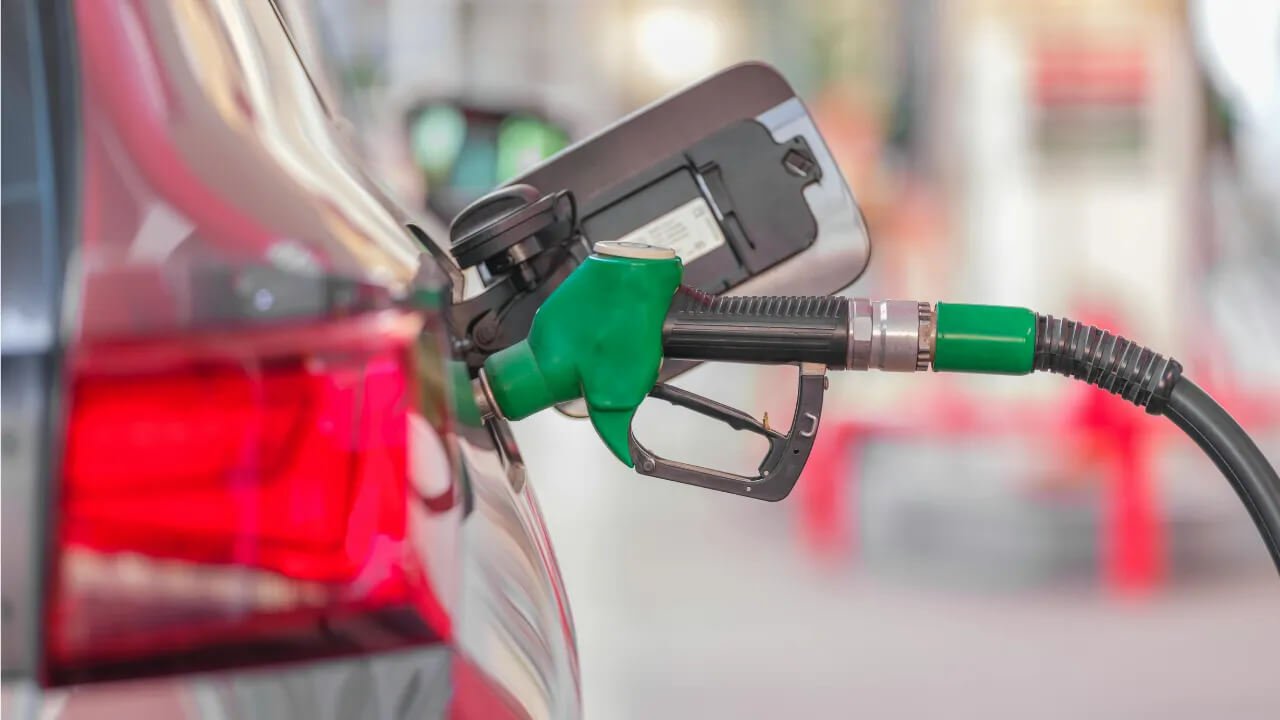
In a significant move aimed at strengthening road safety and ensuring better compliance with motor vehicle insurance laws, the Supreme Court on Tuesday directed the Central government to develop a pilot project under which vehicles without valid insurance may be denied fuel at petrol pumps.
The proposed initiative is intended to improve insurance compliance across the country and safeguard the interests of road accident victims by ensuring that every vehicle on the road is covered by valid insurance.
Pilot Project to Link Fuel Supply with Insurance Status
A Bench comprising Justice Sanjay Karol and Justice Prashant Kumar Mishra directed the Insurance Regulatory and Development Authority of India (IRDAI), in consultation with the Ministry of Road Transport and Highways (MoRTH), to formulate the pilot project.
Under the proposed mechanism, the insurance status of a vehicle would be verified before fuel is dispensed. Vehicles found without valid insurance could be denied fuel at petrol pumps if the pilot project is implemented.
The court observed that such a system could significantly improve compliance with mandatory motor insurance provisions and reduce the number of uninsured vehicles on Indian roads.
Over Half of India’s Vehicles Uninsured
During the hearing, the Supreme Court expressed concern over the large number of uninsured vehicles operating across the country.
Referring to the Standing Committee on Finance Report 2024–25, the Bench noted that nearly 56% of registered vehicles in India currently do not have valid insurance coverage.
According to the report, around 16.54 crore vehicles out of the country’s 30.48 crore registered vehicles are uninsured.
The court also recorded that the Ministry of Petroleum and Natural Gas has “in principle, no objection” to the proposed linkage between fuel supply and insurance compliance.
Mandatory Third-Party Insurance Period Extended
The Supreme Court also revised the duration of mandatory long-term third-party motor insurance for newly purchased vehicles.
Under the new directions:
- New private cars must now have four years of mandatory third-party insurance.
- New two-wheelers must carry six years of mandatory third-party insurance.
The revised requirement replaces the earlier norms introduced in 2018, under which new cars required three years and new two-wheelers five years of third-party insurance coverage.
The court said the longer insurance period would help ensure continuous protection for accident victims and reduce policy lapses during the initial years of vehicle ownership.
ANPR Cameras and E-Challans for Uninsured Vehicles
To strengthen enforcement, the apex court directed IRDAI and MoRTH to deploy Automatic Number Plate Recognition (ANPR) cameras integrated with the Insurance Information Bureau (IIB) database and the VAHAN portal.
The integrated system will enable authorities to automatically identify uninsured vehicles and issue e-challans electronically.
The court also instructed state police departments to use handheld devices or mobile applications for real-time verification of vehicle insurance during routine traffic checks.
More Insurance Options for Vehicle Owners
The Supreme Court further directed IRDAI to ensure that insurance companies offer vehicle owners a wider range of insurance products.
Apart from the mandatory third-party insurance policy, insurers have been asked to provide optional products such as:
- Own-damage insurance
- Personal accident cover
- Add-on protection plans
- Other comprehensive insurance options
The objective is to encourage vehicle owners to choose broader insurance coverage while ensuring compliance with statutory requirements.
The court’s directions are expected to pave the way for stricter enforcement of motor insurance laws and improve financial protection for road accident victims across the country.