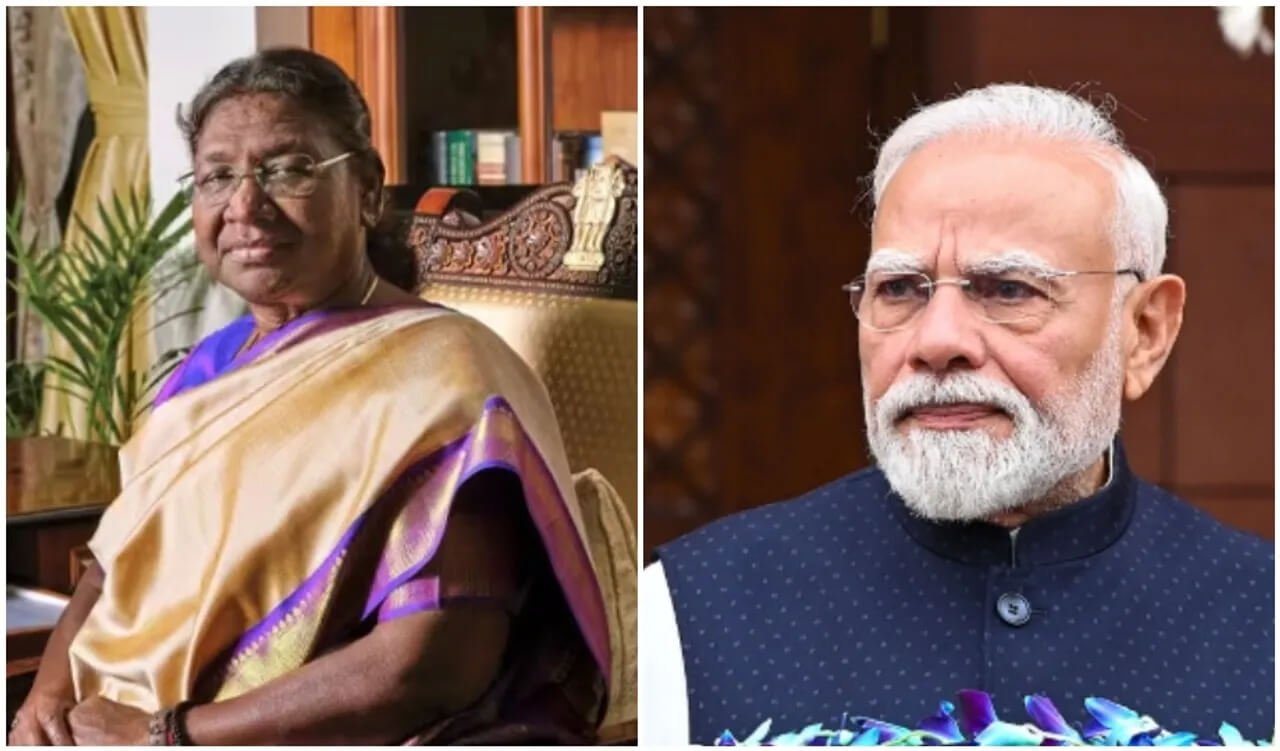

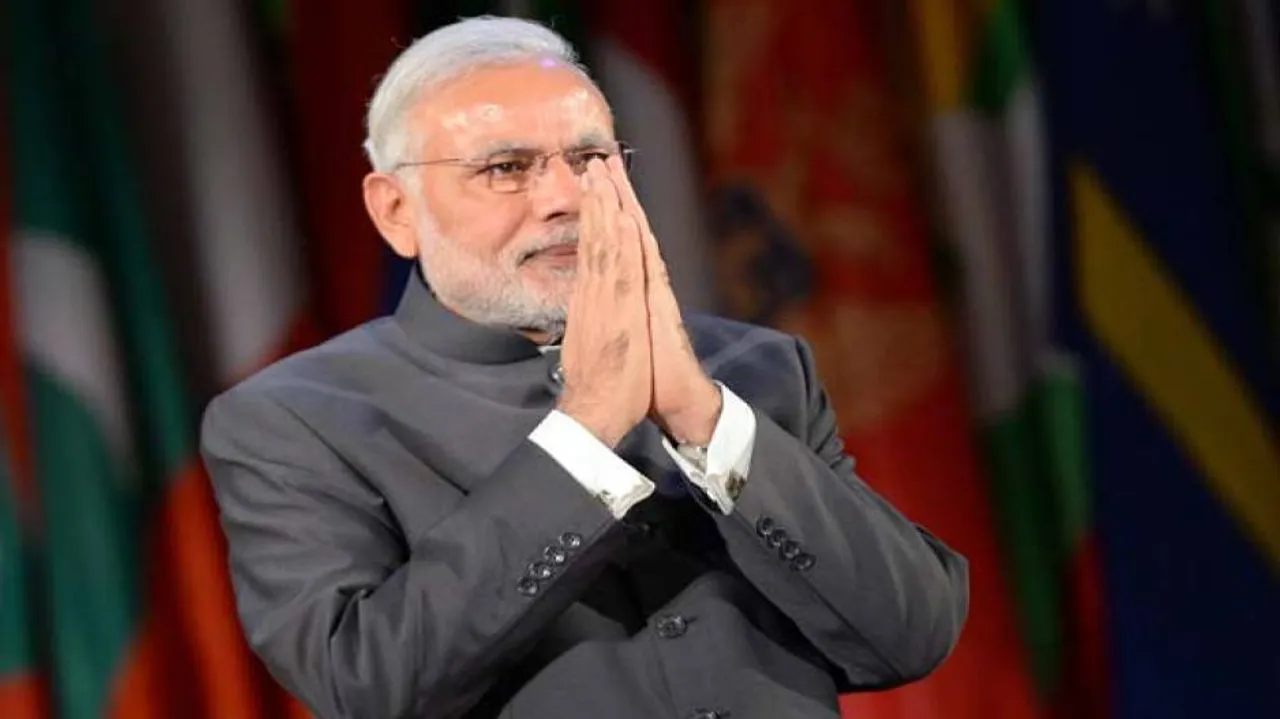
Prime Minister Narendra Modi is set to script a historic milestone in Indian politics on June 10 by becoming the country’s longest continuously serving democratically elected Prime Minister. With 4,399 consecutive days in office, Modi will surpass the record of 4,398 days held by India’s first Prime Minister, Jawaharlal Nehru, a benchmark that remained unmatched for more than six decades.
Modi first assumed office on May 26, 2014, and has since led the country uninterruptedly through three consecutive Lok Sabha election victories. His achievement marks a significant chapter in India’s democratic journey, reflecting both political longevity and sustained electoral success in an increasingly competitive political landscape.
Modi Overtakes Nehru’s Historic Tenure
Nehru served as Prime Minister from May 13, 1952, following India’s first general election, until his death on May 27, 1964. His uninterrupted tenure of 4,398 days stood as one of the most enduring records in Indian political history.
By completing 4,399 consecutive days in office, Narendra Modi will officially become the longest-serving democratically elected Prime Minister in the country.
The achievement comes less than a year after Modi surpassed the uninterrupted tenure record of Indira Gandhi, who served continuously as Prime Minister from January 24, 1966, to March 24, 1977, for a total of 4,077 days.
India Has Changed Dramatically Since Nehru’s Era
The milestone highlights the transformation India has undergone since the early years of Independence.
When Nehru governed India in the 1950s and early 1960s, the country’s population was approximately 34 crore. By the time Modi assumed office in 2014, India’s population had crossed 131 crore and has now grown to more than 146 crore, making it the world’s most populous nation.
The scale of Indian democracy has also expanded exponentially. During the first general election in 1951-52, around 17 crore voters were eligible to vote, while the electorate today exceeds 96 crore, making it the largest democratic exercise in the world.
Political participation has also witnessed remarkable growth. The number of political parties contesting national elections increased from just 53 in the first Lok Sabha election to 744 parties in the 2024 general election, reflecting a far more diverse and competitive political environment.
Governing in a More Competitive Political Landscape
Unlike Nehru, who governed during a period of Congress dominance, Modi has led the country in an era marked by strong regional parties, coalition politics in several states and intense electoral competition.
The Congress party secured 364 of 489 seats in the first Lok Sabha election, giving Nehru a commanding parliamentary majority. In contrast, Modi has navigated a political landscape shaped by multiple regional power centres, social media-driven campaigns and continuous public scrutiny.
Despite these challenges, Modi became the first non-Congress Prime Minister to complete two consecutive full-majority terms and the first Prime Minister since Nehru to secure victory in three consecutive Lok Sabha elections as the incumbent leader.
Expansion of Educational and Healthcare Infrastructure
During Modi’s tenure, India has witnessed substantial expansion in higher education and healthcare infrastructure.
Between 2014 and 2026:
- IITs increased from 16 to 23
- IIMs increased from 13 to 21
- AIIMS institutions expanded from 7 to 23
The government has also focused on large-scale infrastructure projects, digital governance initiatives, welfare programmes and manufacturing growth under various flagship schemes.
From the Age of Radio to the Age of Social Media
The governance environment during Modi’s tenure differs dramatically from Nehru’s era.
Nehru governed in a period dominated by newspapers and radio, with limited avenues for instant public engagement. Modi’s leadership has unfolded in the age of 24×7 television coverage, digital media, social networking platforms and real-time public feedback, where government decisions are scrutinized continuously.
This evolution has fundamentally altered political communication, policymaking and public accountability.
Another Milestone in Modi’s Political Journey
Earlier in 2026, Modi also became India’s longest-serving elected head of government when his combined tenure as Chief Minister of Gujarat and Prime Minister crossed 8,930 days.
With the latest achievement, Modi adds another historic record to his political career, becoming the longest continuously serving democratically elected Prime Minister in India’s history and surpassing a record that stood for more than 63 years.