
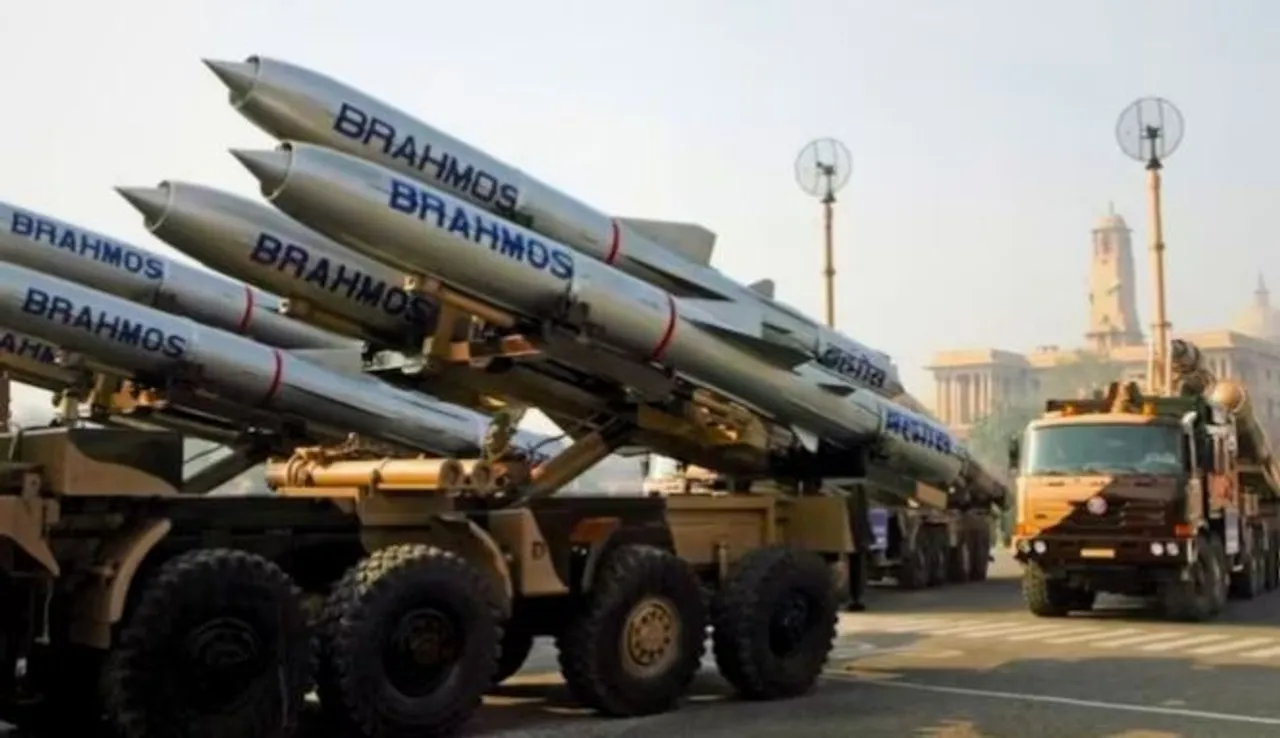
In a significant development for South Asia’s strategic landscape, India has operationally deployed nuclear warheads for the first time, according to the latest report released by the Stockholm International Peace Research Institute (SIPRI). The SIPRI Yearbook 2026 states that India had 12 nuclear warheads deployed and ready for operational use in 2025, marking a notable shift in the country’s nuclear posture.
The report also highlights that neighbouring China increased its number of deployed nuclear warheads from 24 to 34 during the same period, reflecting a broader trend of nuclear modernisation among major powers.
First Operational Deployment by India
SIPRI noted that while India has maintained a nuclear arsenal for decades, this is the first time the institute has classified a portion of India’s stockpile as “operationally deployed.” The majority of India’s nuclear warheads continue to remain in reserve storage, but the deployment of 12 warheads indicates an evolution in readiness and strategic capability.
The report further observed that India may have modestly expanded its overall nuclear arsenal during 2025 and continued work on advanced nuclear delivery systems, including missile and strategic deterrence platforms.
Global Nuclear Stockpile Remains High
According to SIPRI, the global nuclear inventory stood at approximately 12,187 warheads as of January 2026. Of these, around 9,745 warheads were held in military stockpiles and available for potential deployment, while nearly 4,012 warheads were already deployed with operational missile and aircraft units.
The institute warned that nuclear weapons are increasingly being used as instruments of geopolitical influence and national power amid rising international tensions.
Russia and US Continue to Dominate
Russia and the United States continue to possess the overwhelming majority of the world’s deployed nuclear weapons.
Deployed Nuclear Warheads (January 2026):
- Russia – 1,796
- United States – 1,770
- France – 280
- United Kingdom – 120
- China – 34
- India – 12
The report identified nine nuclear-armed countries globally: the United States, Russia, China, France, the United Kingdom, India, Pakistan, North Korea and Israel.
Growing Concerns Over Nuclear Risks
SIPRI expressed concern over increasing nuclear risks worldwide, citing geopolitical conflicts and military confrontations. The institute specifically referred to the four-day India-Pakistan conflict in May 2025, noting that such crises can test traditional deterrence mechanisms and raise the risk of escalation between nuclear-armed nations.
Experts at SIPRI cautioned that the continued expansion, modernisation and deployment of nuclear arsenals by multiple countries could contribute to a more volatile global security environment.
Strategic Implications for India
India’s first operational deployment of nuclear warheads is likely to be viewed as a major milestone in its strategic deterrence framework. While New Delhi continues to adhere to its declared nuclear doctrine, the move signals enhanced operational preparedness amid evolving regional security challenges, particularly in the context of developments involving China and Pakistan.
The SIPRI findings underscore a broader global trend where nations are investing in stronger nuclear capabilities, highlighting the continued relevance of nuclear deterrence in international security calculations.