

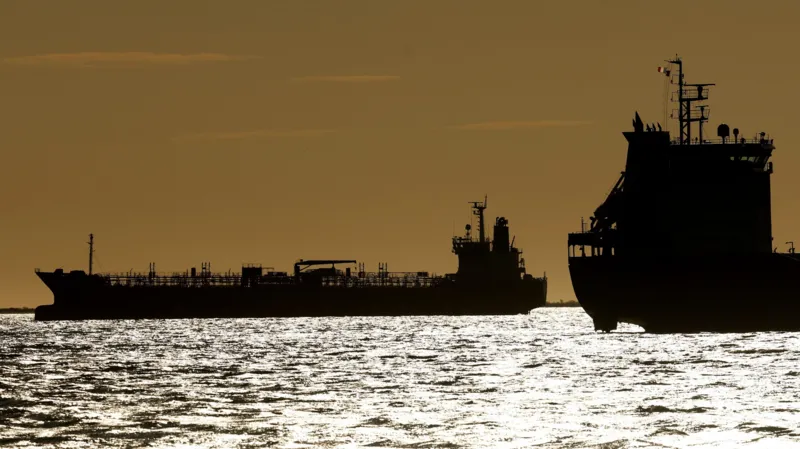
In a significant and unexpected policy shift, the United States has partially lifted sanctions on Iranian oil exports, aiming to ease mounting pressure on global energy markets disrupted by the ongoing conflict with Iran.
US Treasury Secretary Scott Bessent announced a temporary and narrowly targeted authorisation allowing the sale of Iranian crude oil currently stranded at sea. The waiver is valid until April 19, and applies specifically to oil and petroleum products already loaded on vessels.
140 Million Barrels to Enter Global Supply
According to US officials, the move could quickly release around 140 million barrels of oil into the global market—an effort to counter supply disruptions and rising prices caused by the conflict.
Before sanctions, much of Iran’s oil was purchased by China at discounted rates. The US now hopes to redirect some of this supply to other major energy importers such as India, Japan, and Malaysia.
Policy Reversal Raises Concerns
The decision marks a sharp departure from longstanding US sanctions policy against Iran and has sparked criticism from experts.
Analysts warn that:
- The move may have limited impact on oil prices
- It could potentially increase financial flows to Iran, indirectly supporting its military activities
Energy expert Rachel Ziemba noted that while the US is trying to boost supply, preventing revenues from reaching the Iranian government may be difficult in practice.
Global Energy Markets Under Strain
The war has severely disrupted oil and gas flows, particularly through the Strait of Hormuz, a critical route that typically carries around 20% of global oil supply.
Since the conflict escalated:
- Shipping through the strait has largely halted
- Nearly 10% of global oil supply is estimated to be affected
- Energy prices have surged worldwide
Additional Measures to Boost Supply
The US has also taken other steps to stabilise markets, including:
- Releasing oil from strategic reserves
- Easing certain restrictions on Russian oil exports
However, the latter move has drawn criticism from European leaders, who argue it could strengthen Vladimir Putin and prolong the Ukraine conflict.
Uncertain Impact Ahead
President Donald Trump has indicated that the administration will take necessary steps to control oil prices, though details remain unclear.
Experts caution that while the waiver may offer short-term relief, it is unlikely to be a long-term solution given the scale of disruptions and geopolitical risks.