
In response to rising global energy uncertainty triggered by escalating tensions in West Asia, the Centre has invoked provisions of the Essential Commodities Act, 1955 to tighten oversight of the petroleum sector and ensure uninterrupted fuel supply across the country.
Mandatory Data Sharing for Energy Firms
Under a fresh notification issued through Section 3 of the Act, all stakeholders involved in the production, refining, storage, transportation, and distribution of petroleum products and natural gas are now required to share real-time operational data with the Petroleum Planning and Analysis Cell.
The PPAC has been designated as the nodal agency responsible for:
-
Collecting and compiling sector data
-
Analysing supply-demand trends
-
Assisting the government in rapid decision-making during emergencies
Officials said that while PPAC already tracks oil and gas statistics, the new directive enhances its ability to access detailed and near real-time information. Non-compliance could invite strict penalties, including imprisonment.
Fuel Supply Stable, No Shortage Reported
Despite global tensions, the government has assured that India’s energy supplies remain stable:
-
Crude oil availability is adequate
-
Refineries are operating at full capacity
-
No fuel shortages reported at petrol pumps
-
PNG and CNG supplies remain uninterrupted
Shift from LPG to PNG Encouraged
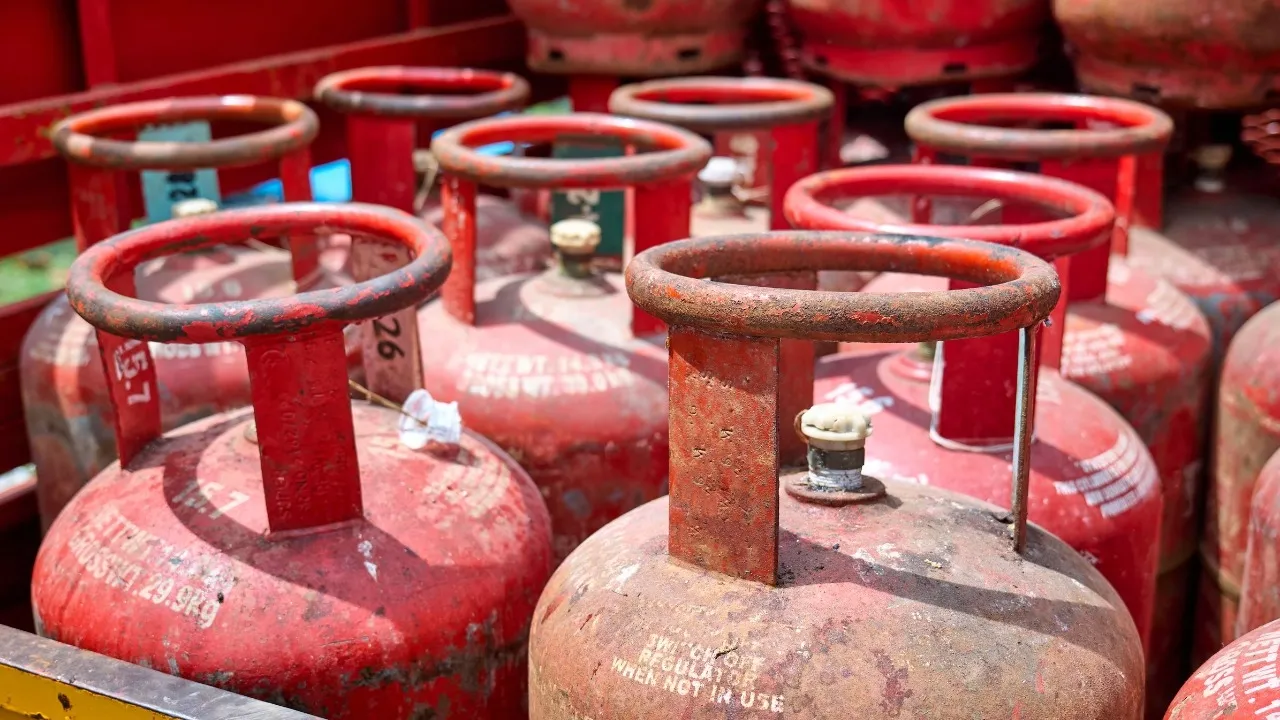
To optimise energy usage, authorities are encouraging commercial LPG users to switch to piped natural gas (PNG). In the past two weeks:
-
Around 1.25 lakh new PNG connections have been issued
-
Thousands of LPG users have already transitioned
Crackdown on Hoarding & Black Marketing
States have stepped up enforcement measures to prevent hoarding and black marketing:
-
Control rooms have been set up
-
Inspections intensified
-
Monitoring mechanisms strengthened
Global Tensions Drive Precautionary Measures
The move comes amid heightened concerns following attacks on energy infrastructure in the Gulf region involving Iran and Qatar. India, which depends heavily on energy imports—particularly natural gas from Qatar—remains vulnerable to such disruptions.
Diversification Key to Energy Security
Officials reiterated that India is actively diversifying its energy sourcing from multiple countries to safeguard supply chains. Additionally, improved logistics and increased online fuel bookings have helped stabilise consumer demand and reduce panic buying.
Outlook
With global uncertainties persisting, the government’s proactive steps—ranging from data surveillance to supply management—are aimed at ensuring energy security and price stability in the domestic market.