
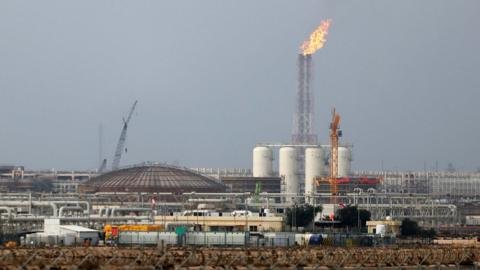
New Delhi: Escalating tensions in West Asia have raised serious concerns for India’s energy security after Iran reportedly targeted key infrastructure in Qatar’s energy hub at Ras Laffan Industrial City. The strike, seen as retaliation for an earlier Israeli attack on Iran’s South Pars Gas Field, could have far-reaching consequences for India, which relies heavily on imports for its energy needs.
India’s High Import Dependence Exposed
India imports nearly 88% of its crude oil and about 50% of its natural gas, making it highly vulnerable to disruptions in the Gulf region. Qatar alone accounts for:
-
Around one-third of India’s LPG imports
-
Nearly 50% of LNG imports
The ongoing conflict has already disrupted gas shipments due to logistical issues around the Strait of Hormuz. However, the latest damage to processing infrastructure at Ras Laffan poses a more serious and long-term threat, as repairs could take significant time even after hostilities subside.
Supply Disruptions & Contract Impact
Indian energy companies including Petronet LNG Limited, GAIL India Limited, and Gujarat State Petroleum Corporation have long-term contracts with Qatar:
-
Petronet LNG: ~7.5 MMTPA
-
GSPC: ~1 MMTPA
-
GAIL: <1 MMTPA
Additionally, Qatar supplies about 5 million metric tonnes of LPG annually to India. Any prolonged disruption could directly impact domestic fuel availability and industrial consumption.
Domestic Shortfall & Sectoral Impact
India produces around 90 MMSCMD of natural gas but consumes nearly 189 MMSCMD, leaving a significant gap filled through imports. Currently, about 30 MMSCMD of gas imports from Gulf sources are affected due to force majeure declared by a major Qatari facility.
This has led to:
-
Reduced gas supply to industries
-
Diversion of gas for priority sectors like PNG (households) and CNG (transport)
-
Supply crunch for commercial users
Fuel Prices Under Pressure
The geopolitical tensions have also triggered a surge in crude oil prices:
-
Indian crude basket crossed $146/barrel
-
Brent Crude rose from $103 to over $113 per barrel
Despite rising costs, Indian oil marketing companies have so far held petrol and diesel prices steady, though LPG prices have already seen an increase.
India Diversifies Energy Sources
To counter the disruption, India has accelerated diversification of energy imports. While earlier 60% of LPG imports came from Gulf nations, the country is now sourcing from:
-
United States
-
Norway
-
Canada
-
Algeria
-
Russia
This strategic shift aims to reduce overdependence on a single region amid growing geopolitical uncertainties.
Strong Trade Ties with Qatar
Qatar remains one of India’s key energy partners. In FY 2024–25:
-
Total bilateral trade: $14.14 billion
-
India’s imports: $12.46 billion
-
Energy imports (LNG, LPG, crude): $11.08 billion
Apart from energy, India imports chemicals, plastics, and fertilisers, while exporting cereals, engineering goods, jewellery, and machinery.
Outlook: Prolonged Impact Likely
Experts warn that the extent of damage at Ras Laffan will determine how long the disruption lasts. Even if the conflict de-escalates, restoration of gas infrastructure could take months, keeping global energy markets volatile.
For India, the situation underscores the urgency of:
-
Strengthening energy diversification
-
Boosting domestic production
-
Expanding renewable energy capacity