
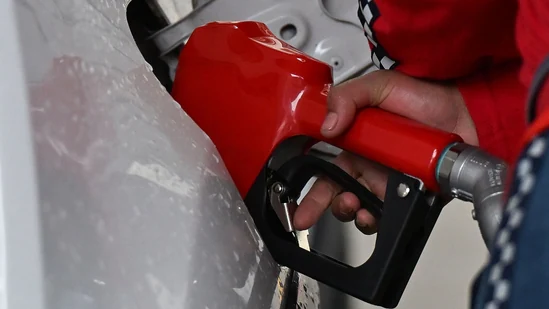
In response to mounting global energy supply concerns triggered by the West Asia conflict, Sanae Takaichi, Prime Minister of Japan, announced on Wednesday that the country will begin releasing part of its strategic oil reserves from March 16. The move aims to stabilise domestic fuel supply and cushion the economic impact of disruptions caused by tensions in the Middle East.
The Japanese government plans to release oil reserves equivalent to 15 days of private-sector stockpiles along with approximately one month’s worth of state-controlled reserves. Officials say the measure is intended to ensure adequate energy supply for industries and households as global oil markets face increasing uncertainty.
Strait of Hormuz Blockade Intensifies Energy Crisis
The decision comes after heightened geopolitical tensions following joint strikes by United States and Israel on Iran on February 28. In retaliation, Iran and its regional allies launched a series of drone and missile attacks and moved to block the crucial maritime route known as the Strait of Hormuz.
This narrow waterway between the Persian Gulf and the Gulf of Oman handles nearly one-fifth of the world’s oil shipments. The blockade has effectively halted the movement of large volumes of crude oil through the region, marking one of the most severe disruptions to global energy supply since the oil crises of the 1970s.
Tehran has also reportedly targeted strategic infrastructure across Gulf countries, including Saudi Arabia, Qatar, Kuwait and the United Arab Emirates, intensifying concerns about the stability of global oil markets.
G7 Countries Consider Coordinated Response
Japan’s announcement comes as leaders of the Group of Seven (G7) nations move closer to coordinating the release of strategic oil reserves to stabilise markets and manage rising crude prices.
The G7, which includes Canada, France, Germany, Italy, Japan, United Kingdom and the United States, held discussions to explore measures to mitigate the economic fallout of the ongoing conflict.
The leaders were scheduled to hold a video conference chaired by French President Emmanuel Macron to assess the broader economic and energy implications of the escalating tensions.
Emergency Talks by International Energy Agency
Meanwhile, member countries of the International Energy Agency (IEA) held emergency consultations in Paris to evaluate the security of global oil supplies and consider the coordinated release of emergency reserves if necessary.
Energy ministers from G7 countries said they support proactive measures, including the use of strategic oil reserves, to stabilise markets and prevent further disruptions.
Analysts say that if the blockade of the Strait of Hormuz continues, global oil prices could remain volatile, affecting fuel costs, transportation, and economic activity worldwide.