
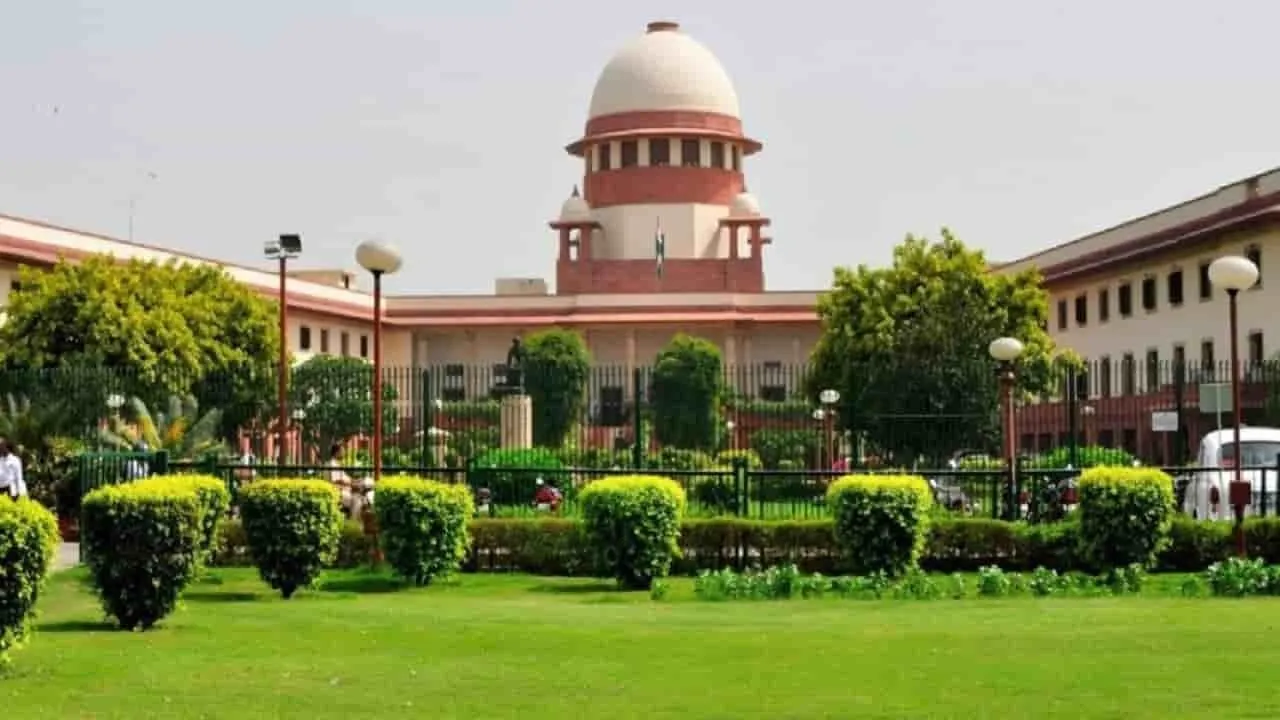
In a historic judgment, the Supreme Court of India has permitted passive euthanasia for a 32-year-old man, Harish Rana, who has been in a coma for more than 13 years after suffering severe brain injuries in an accident. The ruling is being seen as a landmark development in India’s legal and ethical approach to end-of-life care.
The verdict was delivered by a bench comprising Justices JB Pardiwala and KV Viswanathan. In addition to granting permission in Rana’s case, the bench also clarified certain aspects of the court’s 2018 judgment that recognised the legality of passive euthanasia in the country under specific conditions.
Court Clarifies Scope of Passive Euthanasia
During the hearing, the court examined a crucial legal question: whether clinically administered nutrition and hydration should be considered a form of medical treatment.
The bench ruled that food and fluids delivered through medical tubes constitute medical intervention. Therefore, such support can be withdrawn if authorised medical boards determine that continuing the treatment does not serve the patient’s best interest or offers no realistic chance of recovery.
The judges noted that passive euthanasia involves withdrawing or withholding life-sustaining medical support in cases where a patient remains in a persistent vegetative state with no hope of improvement.
Reflections on Life and Death
Opening the judgment, the bench reflected on the philosophical and ethical complexities surrounding decisions about life and death. The court cited the words of American preacher Henry Ward Beecher and referred to the famous existential question posed by William Shakespeare — “to be or not to be.”
The judges observed that courts are sometimes required to confront similarly difficult moral questions while deciding cases involving end-of-life medical care and patient dignity.
Background of the Case
Harish Rana was only 20 years old when he suffered a life-altering accident in 2013 after falling from the fourth floor of a building. The incident left him with severe brain damage and 100 percent quadriplegia, rendering him completely immobile.
Since the accident, Rana has remained in a persistent vegetative state. For more than a decade, he has been sustained through nutrition delivered via a surgically implanted PEG feeding tube.
With no signs of recovery over the years, his parents approached the Supreme Court seeking permission to withdraw life-sustaining treatment. They argued that continuing artificial nutrition and medical support was only prolonging biological existence without any realistic hope of recovery.
A Significant Legal Precedent
Legal experts say the ruling is significant because it clarifies the scope of passive euthanasia in India and reinforces the legal framework established in the court’s earlier guidelines.
The judgment also emphasises the role of medical boards and the judiciary in carefully evaluating such requests, ensuring that decisions are made with compassion, medical evidence and strict legal safeguards.
The ruling is expected to influence future cases involving end-of-life care and strengthen discussions around patient dignity, medical ethics and the rights of families facing similar circumstances.