

The ongoing instability in the Middle East has dealt a major blow to the aviation industry, forcing airlines to cancel or reroute thousands of flights due to safety concerns in the region’s airspace. Several international carriers have taken emergency measures as tensions and military activity continue to disrupt normal flight operations across key travel corridors.
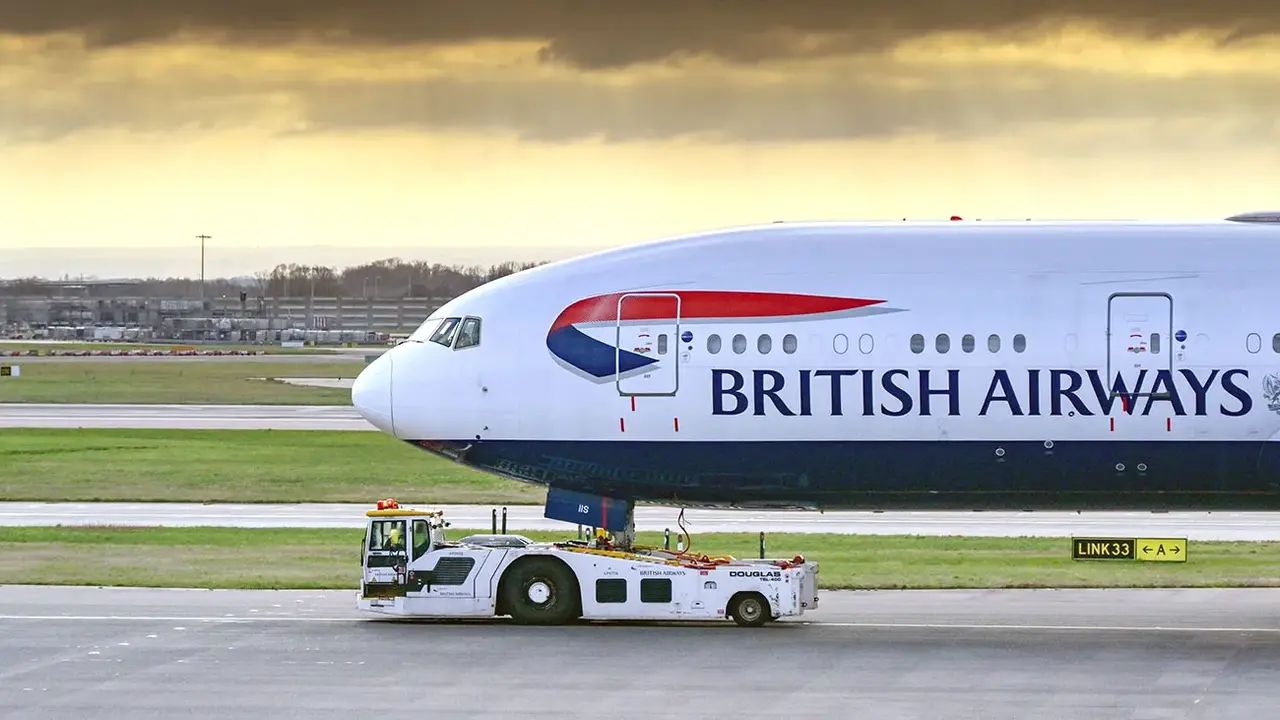
Among the major airlines affected is British Airways, which has announced large-scale flight cancellations and route suspensions across several Middle Eastern destinations. The airline has significantly reduced its operations in the region and suspended flights to multiple cities as a precautionary measure.
Flights to Abu Dhabi Suspended Until Year-End
One of the most significant decisions taken by the airline is the suspension of flights to Abu Dhabi until the end of the year. Before the current crisis escalated, British Airways operated daily services to the UAE capital. With the suspension now in place, hundreds of flights that were scheduled for the coming months will no longer operate.
The airline stated that the decision was taken due to continued uncertainty and safety concerns surrounding Middle Eastern airspace. Passengers have been advised to check the status of their flights before heading to the airport, as schedules remain subject to sudden changes.
Apart from Abu Dhabi, British Airways has temporarily halted operations to several other regional hubs including Amman, Bahrain, Doha, Dubai and Tel Aviv until later this month. The airline said it continues to monitor developments closely and will restore services when conditions stabilise.
Massive Flight Cancellations Across the Region
The disruption has affected a significant portion of air traffic in and around the Middle East. Aviation data indicates that since February 28, around 38,193 flights were scheduled to operate in and out of the region. However, more than 21,900 of those flights have been cancelled due to security risks and restricted airspace.
Airlines across Europe, Asia and the Gulf have been forced to quickly adjust their schedules as some sections of regional airspace were temporarily closed or considered unsafe for commercial aviation. Many carriers chose to cancel flights entirely rather than risk last-minute diversions or emergency route changes.
Despite the large-scale disruptions, there are early signs that the situation may gradually stabilise. Of the 4,783 flights scheduled to operate today, approximately 1,107 have been cancelled, which is lower compared to previous days when cancellations were significantly higher.
Repatriation Flights for Stranded Passengers
To assist passengers stranded due to the disruptions, British Airways has also arranged limited repatriation flights. The airline confirmed that some seats remain available on special services operating between Muscat and London Heathrow Airport on March 11 and March 12.
These temporary flights are intended to help travellers who were unable to return home due to sudden cancellations. However, once these flights are completed, the airline plans to suspend the temporary service due to declining demand.
British Airways has said it will continue to review the situation and may introduce additional repatriation services if required. The airline is also contacting affected passengers to provide options for refunds, rescheduling or alternative travel arrangements.
As geopolitical tensions continue to affect the region, aviation experts warn that airline operations may remain volatile in the coming weeks. Airlines are expected to keep adjusting routes and schedules depending on the security situation and airspace restrictions.