
Koraput: After carving a niche for coffee and black pepper, Koraput district is now steadily emerging as a promising hub for cardamom cultivation, adding another feather to its rich agricultural landscape. Blessed with favourable agro-climatic conditions of the Eastern Ghats, the district is witnessing a quiet but impactful transformation, with cardamom offering high demand, assured markets and lucrative returns to farmers.
Unlike many crops where marketing remains a challenge, cardamom grown in Koraput is sold directly at the plantation immediately after harvest, eliminating middlemen and market uncertainty. Encouraged by profits of up to ₹2 lakh per acre annually, more farmers are now showing keen interest in adopting this high-value spice crop.
Eastern Ghats Prove Ideal for Cardamom Cultivation
Following successful models in Karnataka, Kerala and Telangana, cardamom farming is now proving equally successful in Koraput, particularly during the winter season when cultivation activity increases. The district’s cool climate, adequate shade and moisture-rich soil provide ideal growing conditions for cardamom, locally known as the “Queen of Spices”.
A striking example of this success can be seen in Chotaguda village under Dasmantpur block, where cardamom cultivation within coffee plantations has transformed the region. The Brown Valley coffee estate, located about 20 kilometres from Koraput town, now hosts a diverse mix of crops including coffee, cardamom, black pepper, banana, pineapple, orange and turmeric, creating both economic value and scenic beauty.
Additional Income Through Intercropping With Coffee
Farmers in Koraput are adopting cardamom as an intercrop within coffee estates, generating additional income without disturbing the main plantation. Currently, around 600 cardamom plants are being cultivated in Brown Valley, yielding over two quintals of cardamom annually. Each plant produces between 300 grams to 1 kilogram of cardamom, with commercial production beginning three to four years after planting.
Tourists visiting the picturesque plantation are among the primary buyers, purchasing locally grown cardamom at around ₹2,800 per kilogram. While the market price of cardamom ranges between ₹4,000 and ₹4,500 per kilogram, local sales between ₹2,800 and ₹3,000 still ensure healthy profits for farmers, along with steady employment opportunities.
Government Support and Organic Farming Practices
Recognising the potential of cardamom cultivation, the Odisha State Horticulture Department and the Pattangi Research Centre are actively promoting the crop. Saplings sourced from the Brown Valley estate are being supplied to farmers, encouraging expansion across the district. Plans are already underway to extend cardamom cultivation to 10 additional acres in the coming years.
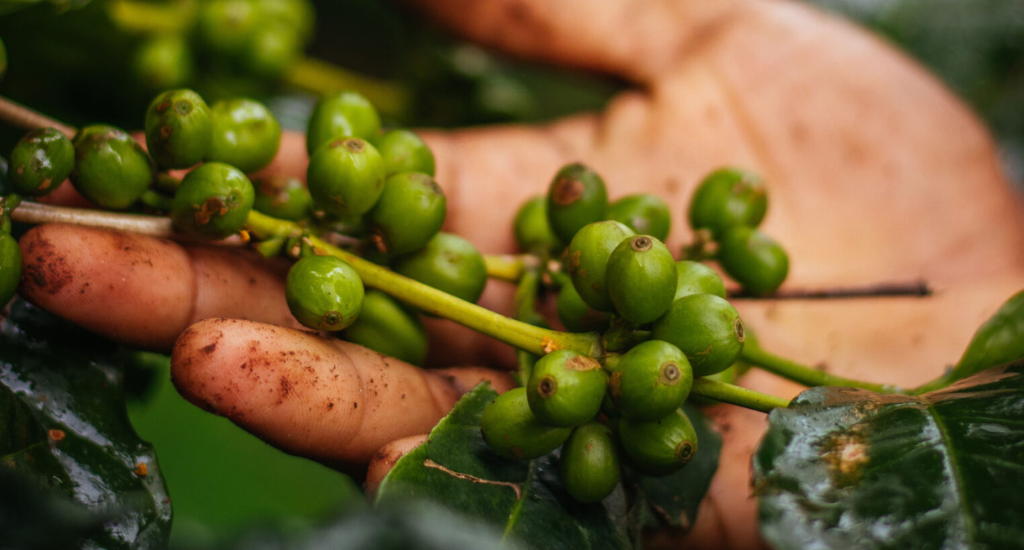
The cultivation is being carried out using completely organic methods, without chemical fertilisers. Though the fruits are smaller in size, experts say they are superior in quality and aroma. Cardamom fruits, which resemble coffee beans, grow at the base of the plant and ripen at different times, requiring manual harvesting.
Employment Generation and Women’s Participation
The initiative has also created significant rural employment, particularly for women. Around 15 to 20 trained women workers are engaged daily in harvesting, cleaning, drying and processing cardamom. While some pluck the fruits, others handle post-harvest processing and packaging, ensuring quality produce reaches consumers.
From Experiment to Profitable Farming Model
Initially introduced as an experimental crop on four acres within coffee plantations, cardamom has now emerged as a reliable and profitable farming practice in Koraput. With assured demand, supportive institutions and a favourable climate, farmers are earning sustainable incomes while strengthening Koraput’s reputation as a centre for diversified, high-value agriculture.