
The sacred festival of Makar Sankranti is being celebrated across India, including Odisha, on Wednesday, marking an important transition in the Hindu calendar. The festival has ushered in a vibrant and festive atmosphere nationwide, with people observing the occasion through diverse customs, rituals and regional traditions. Considered one of the most auspicious days in Hinduism, Makar Sankranti symbolizes renewal, gratitude and the beginning of longer, brighter days.
Sun’s Northward Journey Marks the Beginning of Uttarayan
Makar Sankranti marks the Sun God’s transition from the Sagittarius zodiac sign (Dhanu Rashi) into Capricorn (Makara Rashi), signalling the start of Uttarayan, the Sun’s northward journey. This celestial movement is regarded as highly favourable, and devotees believe that acts of charity, holy baths and prayers performed on this day bring spiritual merit, prosperity and well-being.
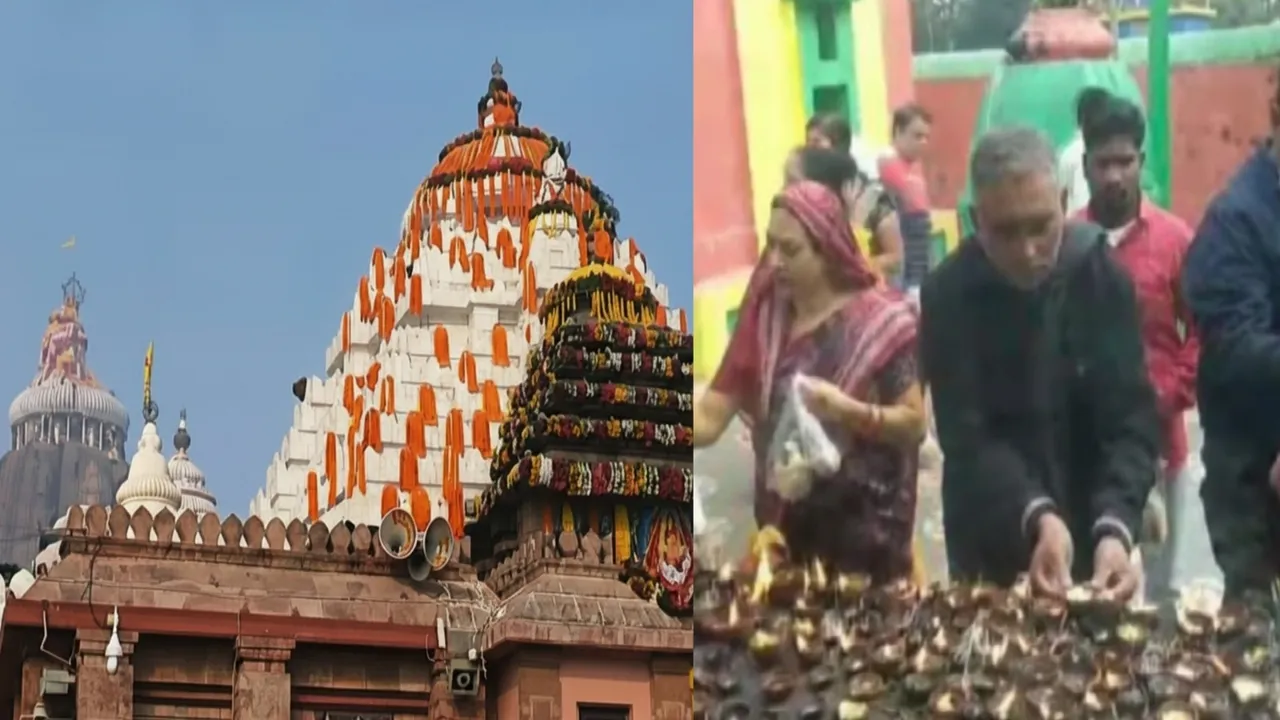
Across the country, people are offering prayers to Surya Dev, taking ritual dips in sacred rivers and donating food, clothes and essentials to the needy. Temples and pilgrimage centres have witnessed a significant rise in footfall as devotees seek divine blessings on this auspicious occasion.
Special Rituals at Puri Srimandir and Other Temples
In Odisha, Makar Sankranti is being observed with special religious ceremonies, particularly at the Puri Srimandir, where elaborate rituals are being conducted. As part of the tradition, Makar rice, brought by Maa Lakshmi from the Srimandir, is offered to Lord Jagannath. The offering holds immense religious significance and is believed to bring prosperity and abundance.
Anticipating a large turnout of devotees, the temple administration and local authorities have made elaborate arrangements to ensure the smooth conduct of rituals, crowd management and safety of pilgrims.
Regional Celebrations Add Cultural Colour
In Mayurbhanj district, Makar Sankranti is celebrated as a mass festival, with families wearing new clothes and preparing traditional delicacies at home. The day reflects community bonding, joy and cultural heritage, with people exchanging greetings and festive foods.
In southern Odisha, Bhogi, a festival associated with Makar Sankranti, is being observed with traditional customs. People discard old items, symbolizing the end of negativity and welcoming new beginnings.
The festive spirit is also evident in Berhampur, where the Telugu community celebrates the occasion over three days. The extended celebrations reflect unity, devotion and cultural richness, featuring special prayers, traditional food preparations and social gatherings.
Festival of Gratitude and New Beginnings
Makar Sankranti is not only a religious festival but also a celebration of harvest, hope and renewal. Across regions, it is known by different names such as Pongal, Magh Bihu, Uttarayan and Lohri, each reflecting local traditions while sharing a common theme of gratitude towards nature and the Sun God.
As devotees across Odisha and the country come together to celebrate, Makar Sankranti continues to symbolize harmony, prosperity and the triumph of light over darkness.