
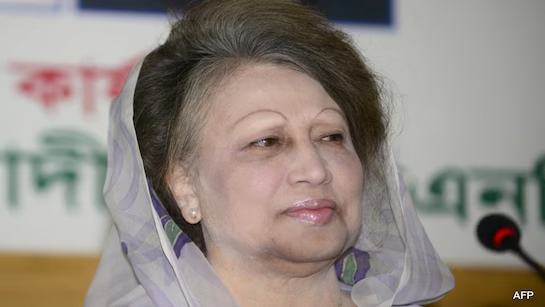
Bangladesh’s former Prime Minister and Bangladesh Nationalist Party (BNP) Chairperson Begum Khaleda Zia passed away early Tuesday morning at the age of 80 after a prolonged illness. She breathed her last at around 6 am while undergoing treatment at Evercare Hospital in Dhaka, according to an official statement issued by the BNP.
Zia had been admitted to the hospital on November 23 and was undergoing treatment for the past 36 days. Doctors confirmed that she was suffering from severe infections affecting her heart and lungs, along with pneumonia. Over the years, her health had steadily declined due to multiple chronic ailments, including liver cirrhosis, diabetes, arthritis, kidney complications, and long-standing heart, lung, and eye disorders. Her treatment was being supervised by a team of specialists from Bangladesh as well as medical experts from the UK, the US, China, and Australia.
In a statement, the BNP said, “The BNP Chairperson and former prime minister, the national leader Begum Khaleda Zia, passed away today at 6:00 am, just after the Fajr prayer. We pray for the forgiveness of her soul and request everyone to offer prayers for her departed soul.” Earlier efforts to shift her abroad for advanced treatment could not be carried out due to her extremely fragile condition.
Begum Khaleda Zia, the first woman Prime Minister of Bangladesh, was a towering figure in the country’s political landscape for over three decades. She served as prime minister three times and played a pivotal role in shaping Bangladesh’s democratic institutions after years of military rule. She formally entered politics in the early 1980s following the assassination of her husband, President Ziaur Rahman, the founder of the BNP.
Born in 1945 in Jalpaiguri in undivided British India, Khaleda Zia moved to East Bengal with her family after Partition. She received her early education in Dinajpur and later married Ziaur Rahman in 1960. After the Liberation War of 1971 and the subsequent political upheavals, Ziaur Rahman emerged as a national leader before being assassinated in 1981, an event that pushed Khaleda Zia into active politics.
Zia rose rapidly within the BNP, becoming its chairperson in 1984. Alongside Awami League leader Sheikh Hasina, she spearheaded a mass movement that led to the fall of military ruler Hossain Mohammad Ershad in 1990. In the landmark 1991 elections, BNP emerged victorious, and Khaleda Zia was sworn in as Bangladesh’s first female prime minister. During her tenure, she restored the parliamentary system of governance, introduced the caretaker government mechanism to ensure free and fair elections, promoted foreign investment, and made primary education free and compulsory.
Despite her political achievements, Zia’s career was also marked by intense rivalry with Sheikh Hasina, a feud that came to define Bangladesh’s politics for decades. Dubbed the “Battling Begums,” the two leaders alternated in power, with their rivalry often triggering political unrest, strikes, and violence across the country.
Zia returned to power in 2001 with a landslide victory, but her second term was marred by allegations of corruption, political instability, and the rise of Islamist militancy. Following widespread unrest, an army-backed interim government took over in 2006, eventually leading to her arrest on corruption charges. Although she was later released on humanitarian grounds, Zia never returned to power. She spent her final years under house arrest and battling serious health issues.
She is survived by her elder son Tarique Rahman, his wife Zubaida Rahman, and their daughter Zaima Rahman. Her younger son, Arafat Rahman Koko, passed away earlier in Malaysia. Tarique Rahman had returned to Bangladesh recently after years in exile.
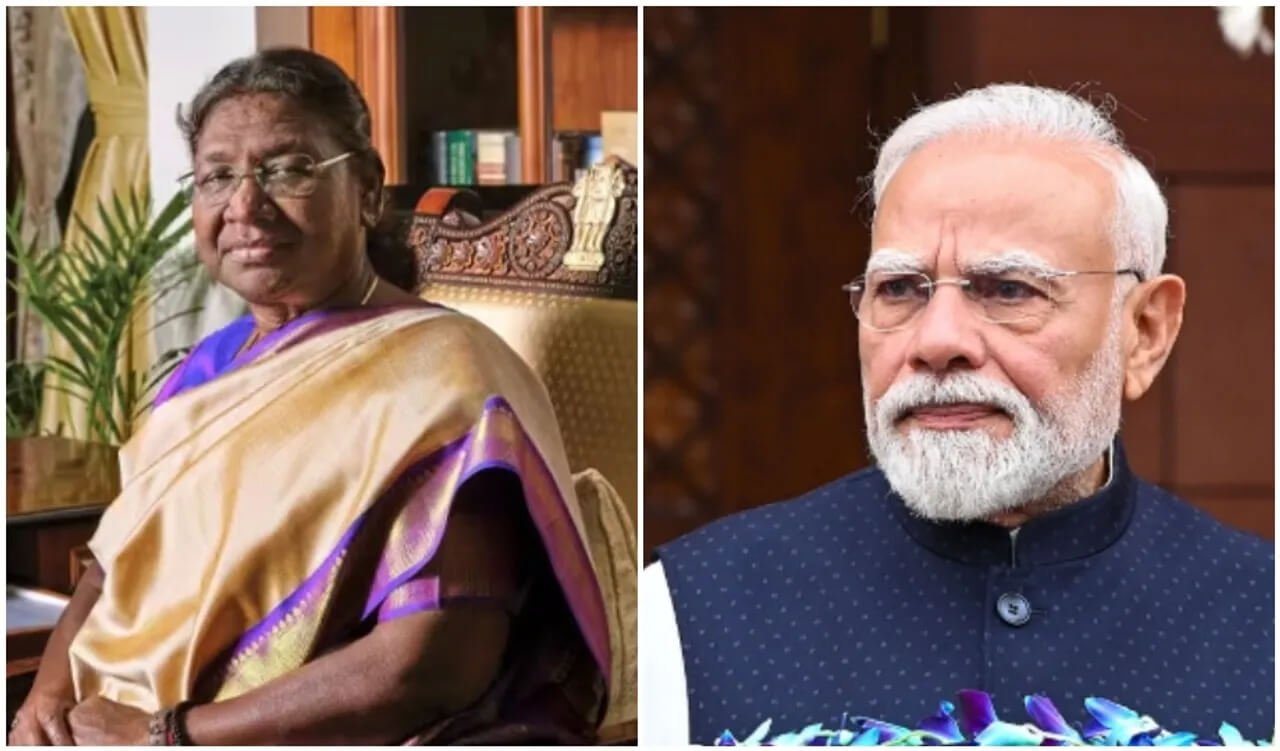
Prime Minister Narendra Modi expressed deep condolences over her demise, recalling her role as the first woman prime minister of Bangladesh and acknowledging her contributions to Bangladesh’s development and India-Bangladesh relations. Leaders across South Asia have also mourned her death, calling it the end of an era in Bangladeshi politics.
Begum Khaleda Zia’s death marks a significant moment in Bangladesh’s political history, closing a long chapter dominated by her leadership, legacy, and enduring influence on the nation’s democratic journey.