
Two senior Odisha ministers on Thursday reviewed the law-and-order situation in violence-hit Malkangiri district, as the State government extended the suspension of internet services for another 12 hours to prevent the spread of rumours and further unrest.
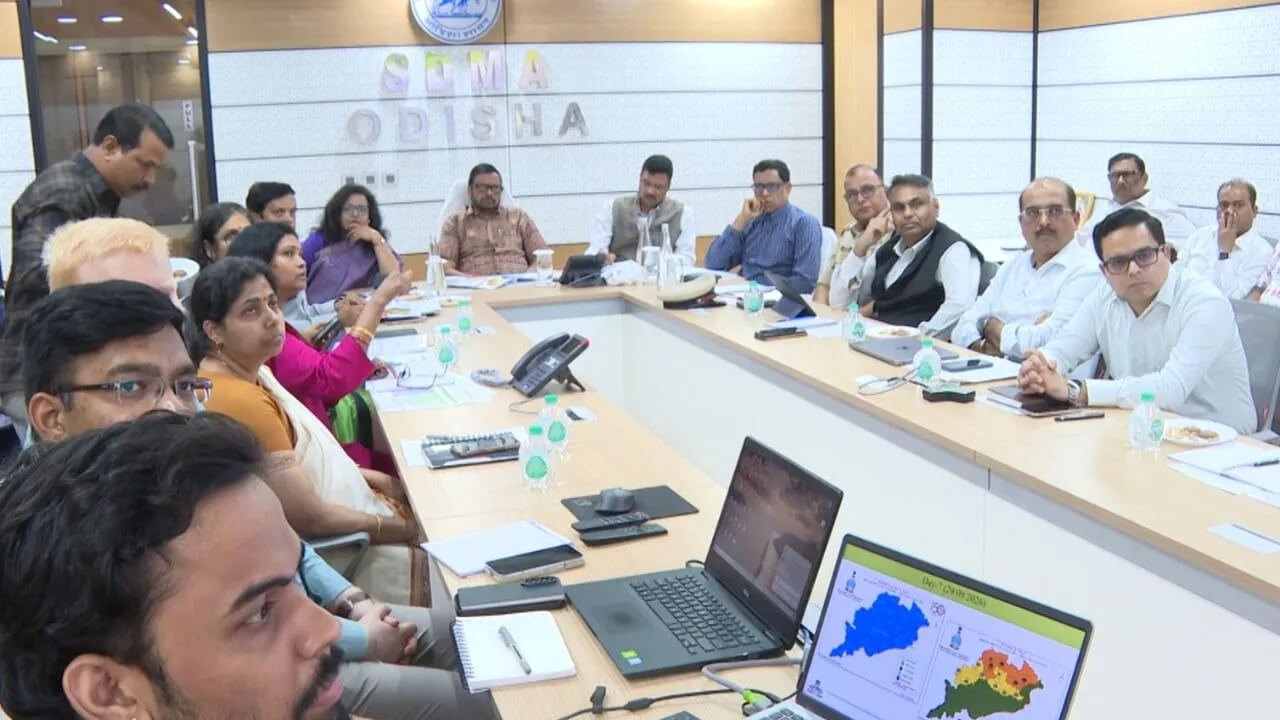
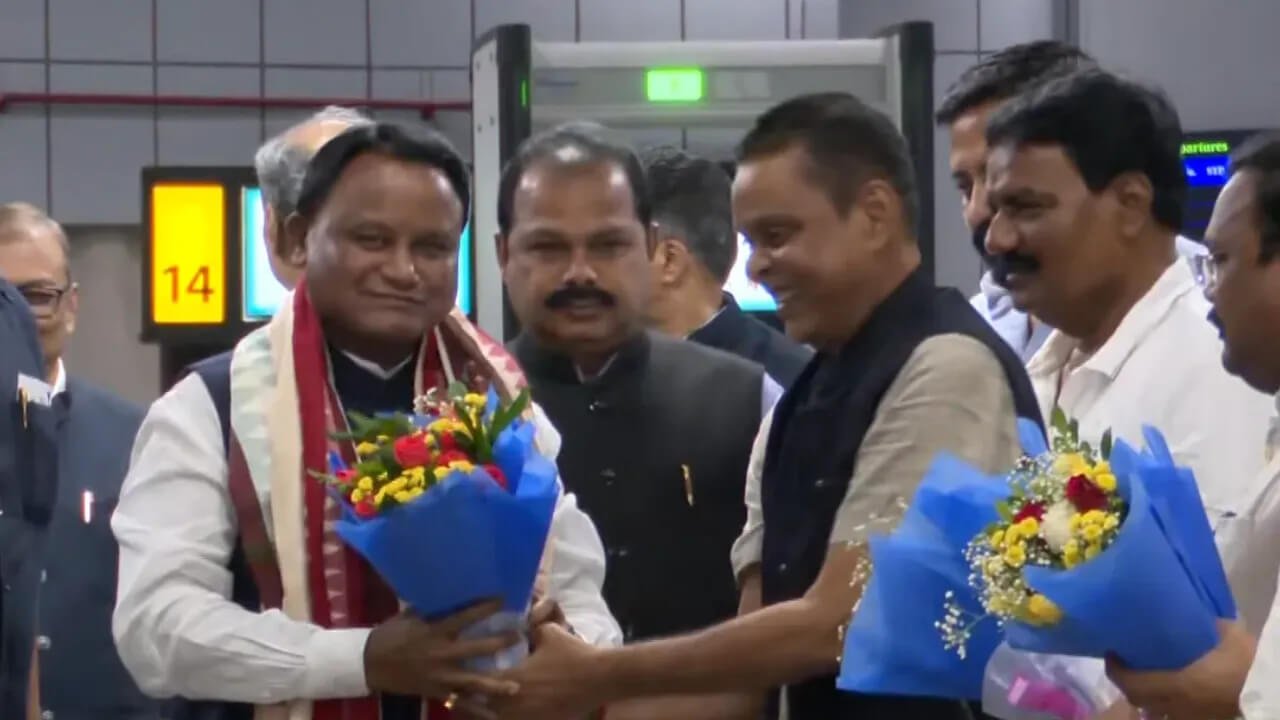
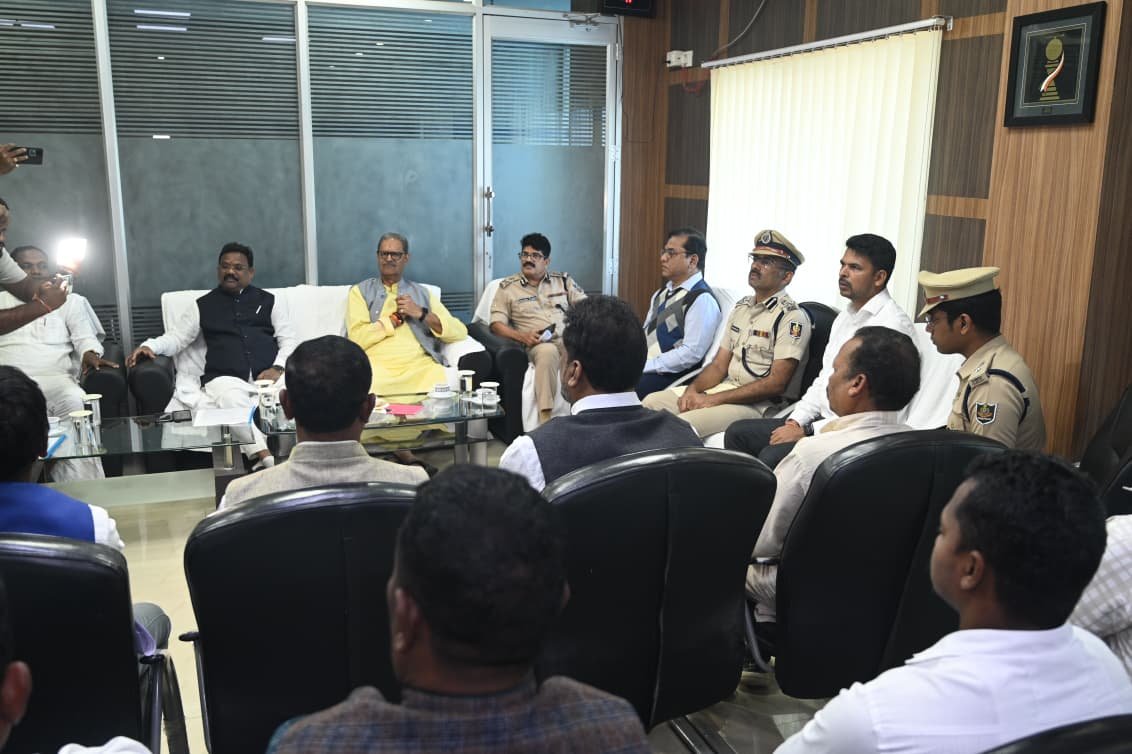
Deputy Chief Minister K.V. Singh Deo and MSME Minister Gokulananda Mallick arrived at the district headquarters and chaired a high-level meeting with senior officials, including the Collector, ADGP (Naxal Operations), DIG (Southern Range) and the Superintendent of Police. The review focused on the situation in MV-26 village, where violent clashes were reported earlier this week.
Officials informed the ministers that no fresh incidents of violence have been reported in the last 60 hours, indicating a gradual return to calm. The unrest had erupted after a tribal mob from neighbouring Rakhelguda village allegedly attacked a Bengali settlement in MV-26 on December 7 and 8.
Trigger for Violence and Police Action
The violence followed the recovery of the headless body of a tribal woman from the banks of the Poteru river on December 4. Her severed head was later found about 15 km away on December 10, intensifying tensions in the region. Tribals suspected the involvement of a man from MV-26 village in the murder.
Police have since arrested a 42-year-old man from MV-26, accused of killing the woman over a land and sharecropping dispute. Security forces, including BSF jawans and Odisha Armed Police Force personnel, have been deployed in large numbers to maintain peace.
Internet Services Suspended to Maintain Order
In a notification issued by the Home Department, the State government announced the extension of the ban on internet services, including social media platforms such as WhatsApp, Facebook and X, until midnight on December 11.
The move was taken following a request from the Collector-cum-District Magistrate, citing the need to curb misinformation and prevent further escalation.
Community Grievances Raised Before Deputy CM
During his visit, Deputy CM Singh Deo met representatives of the Malkangiri Bengali Samaj (MBS) and the District Adivasi Samaj Mahasangh, who submitted separate memorandums outlining their concerns. Both groups agreed to cooperate with the administration to restore peace.
The MBS expressed grave concerns over the safety of Bengali settlers, many of whom have lived in the district for over six decades after being rehabilitated by the Central Government in the 1960s. The organisation demanded a high-level inquiry into the violence and alleged that influential elements were behind the attacks.
MBS president Gouranga Karmakar claimed that houses were looted, torched and possibly destroyed using explosives. He also sought free seeds, fertilisers and agricultural assistance for affected families who lost everything in the violence.
Tribal Groups Demand Land Protection and Justice
On the other hand, tribal organisations alleged large-scale encroachment of tribal and community land by non-tribals, citing poor enforcement of laws such as the PESA Act. They demanded land rights for the family of the deceased woman, stating that the murder stemmed from a land dispute.
Tribal leaders also raised concerns over alleged infiltration during the 1970s and 1980s and demanded strict action against illegal settlers.