

Bhubaneswar: Odisha has intensified relief and rescue operations in Ganjam and Gajapati districts after extremely heavy rainfall left around 2,000 people stranded across nearly 70 villages. The state government has mobilised disaster response teams and is coordinating with district administrations and central agencies to ensure the safety of affected residents.
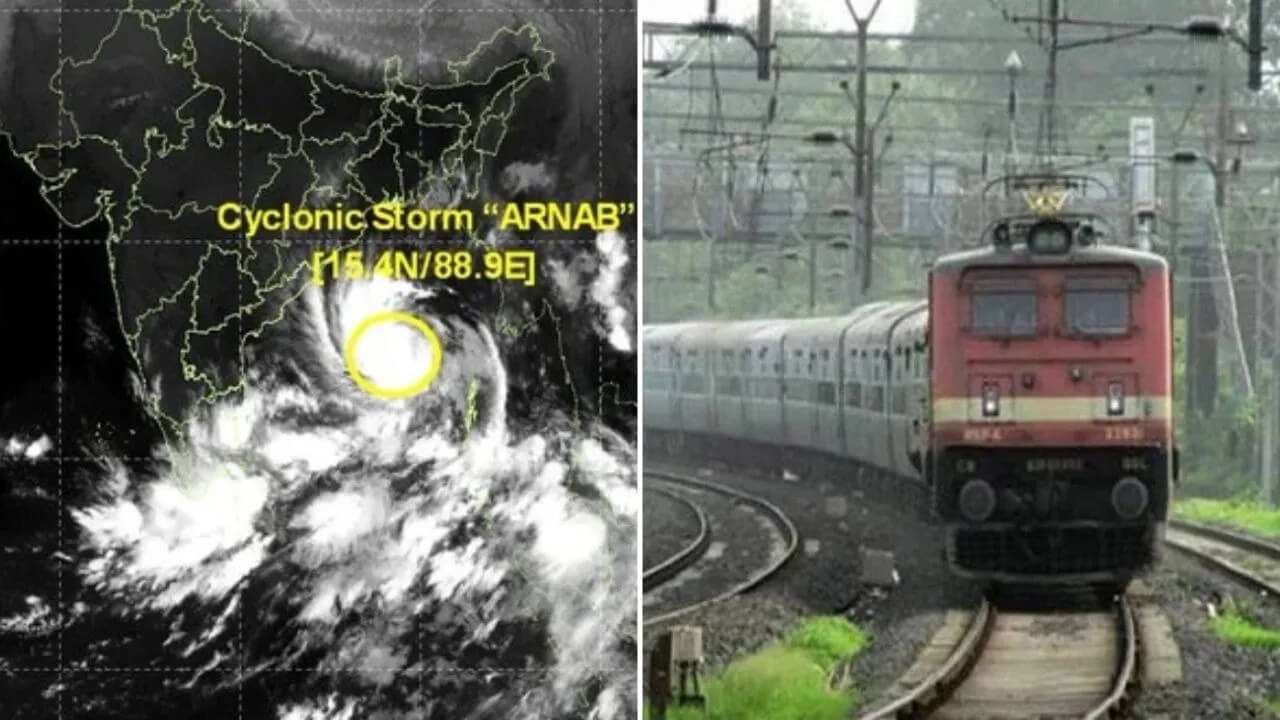
Chief Secretary Anu Garg reviewed the post-cyclone situation on Thursday following the impact of Cyclone Arnab across several parts of the state. With rivers flowing rapidly and some areas experiencing severe waterlogging, authorities are prioritising the rescue of stranded residents and the restoration of essential services.
Special Relief Commissioner (SRC) Rajesh Prabhakar Patil attended the review meeting at Rajiv Bhavan, where officials discussed rescue operations, post-cyclone repairs and restoration measures.
Around 2,000 People Stranded Across 70 Villages
Extremely heavy rainfall in southern Odisha has created challenging conditions in parts of Ganjam and Gajapati districts, leaving residents stranded in several locations.
According to information shared during the review, around 2,000 people across approximately 70 villages have been affected. Rapid river flows, waterlogging and difficult access to some areas have complicated rescue efforts.
The state government is working with district officials and disaster response agencies to reach affected residents and provide assistance. Additional rescue teams have been deployed to strengthen operations in vulnerable locations.
Authorities are also monitoring river levels and local conditions to determine where urgent intervention is required.
Patrapur Records 546 mm Rainfall in 24 Hours
The intensity of the rainfall has been particularly severe in parts of Ganjam, Kandhamal and Gajapati districts.
Patrapur block in Ganjam recorded 546 mm of rainfall in the preceding 24 hours, the highest among the locations mentioned in the report. Parts of Kandhamal received 462 mm, while G. Udayagiri and Mohana in Gajapati recorded 307 mm during the same period.
The exceptionally heavy rainfall has contributed to waterlogging, rising water levels and the isolation of some villages.
The situation has prompted authorities to focus on emergency rescue operations, especially in areas where residents cannot safely reach higher ground or access essential services.
Additional ODRAF Teams Deployed for Rescue Operations
The Odisha government has deployed additional Odisha Disaster Rapid Action Force (ODRAF) teams to assist in rescuing stranded residents.
Senior officials, including the Revenue Divisional Commissioner, are monitoring the situation in Ganjam. District Collectors are supervising field-level arrangements and coordinating with rescue teams to ensure that assistance reaches affected communities.
The government is prioritising ground-based rescue operations wherever conditions allow. However, the possibility of aerial evacuation is also being assessed for people stranded in four locations.
Officials estimate that around 100–200 people may require airlifting if they cannot be reached safely by land or water.
Aerial Evacuation Under Consideration
The state government is keeping aerial evacuation arrangements ready as a precautionary measure. The Coast Guard is on standby, but any airlifting operation will depend on weather conditions, cloud cover and operational safety.
Officials are assessing whether rescue teams can reach the affected locations using available resources before resorting to aerial evacuation.
The priority remains to rescue stranded residents as quickly and safely as possible while avoiding unnecessary risks to personnel involved in the operation.
Authorities have expressed hope that the situation will gradually improve as rainfall subsides and access to affected areas becomes easier.
Baghalati Dam Situation Monitored in Gajapati
In Gajapati district, officials are closely monitoring the situation around the Baghalati medium irrigation dam following heavy rainfall and increased water inflow.
According to the information provided, the dam gates have been opened gradually since the previous day to manage the incoming water.
The district administration is assessing local conditions and continuing rescue efforts in areas where residents remain stranded.
Monitoring the dam and surrounding areas is important as officials respond to the effects of heavy rainfall and rapidly flowing water. Residents in vulnerable locations should follow instructions issued by the district administration.
Railway Bridge Monitored as Bansadhara River Overflows
The post-cyclone situation has also affected railway operations near Odisha’s neighbouring state of Andhra Pradesh.
Authorities are monitoring Railway Bridge No. 1052 between Jarpudi and Ichchapuram in Srikakulam district, where the Bansadhara River is reportedly overflowing.
Train services have been halted on both sides of the bridge as a precautionary measure, affecting several trains. Efforts are underway to divert the affected services where possible.
Chief Secretary Anu Garg said approximately five to ten trains were halted on either side of the bridge while authorities monitored the situation and worked on diversion arrangements.
The bridge’s proximity to Odisha has made the development important for railway operations in the region. Passengers are advised to check the latest railway announcements before travelling, as service changes may continue depending on river conditions and safety assessments.
Government Reviews Restoration and Relief Measures
During the review meeting at Rajiv Bhavan, Chief Secretary Anu Garg and other senior officials assessed the ongoing rescue operations and post-cyclone restoration work.
The state government is coordinating with district administrations and central agencies to ensure that affected residents receive assistance. Officials are also monitoring vulnerable locations, river conditions and infrastructure that could be affected by the continuing impact of heavy rainfall.
Although authorities are hopeful that conditions will gradually improve as rainfall decreases, rescue teams remain deployed and aerial evacuation arrangements are being kept ready if required.