

Puri: The proposed queue-based darshan system at Puri’s Shree Jagannath Temple, popularly known as Srimandir, is expected to be introduced soon, with a pilot model reportedly prepared to facilitate the orderly movement of devotees. The proposed arrangement aims to improve crowd management and provide a more organised darshan experience, particularly during periods of heavy footfall.
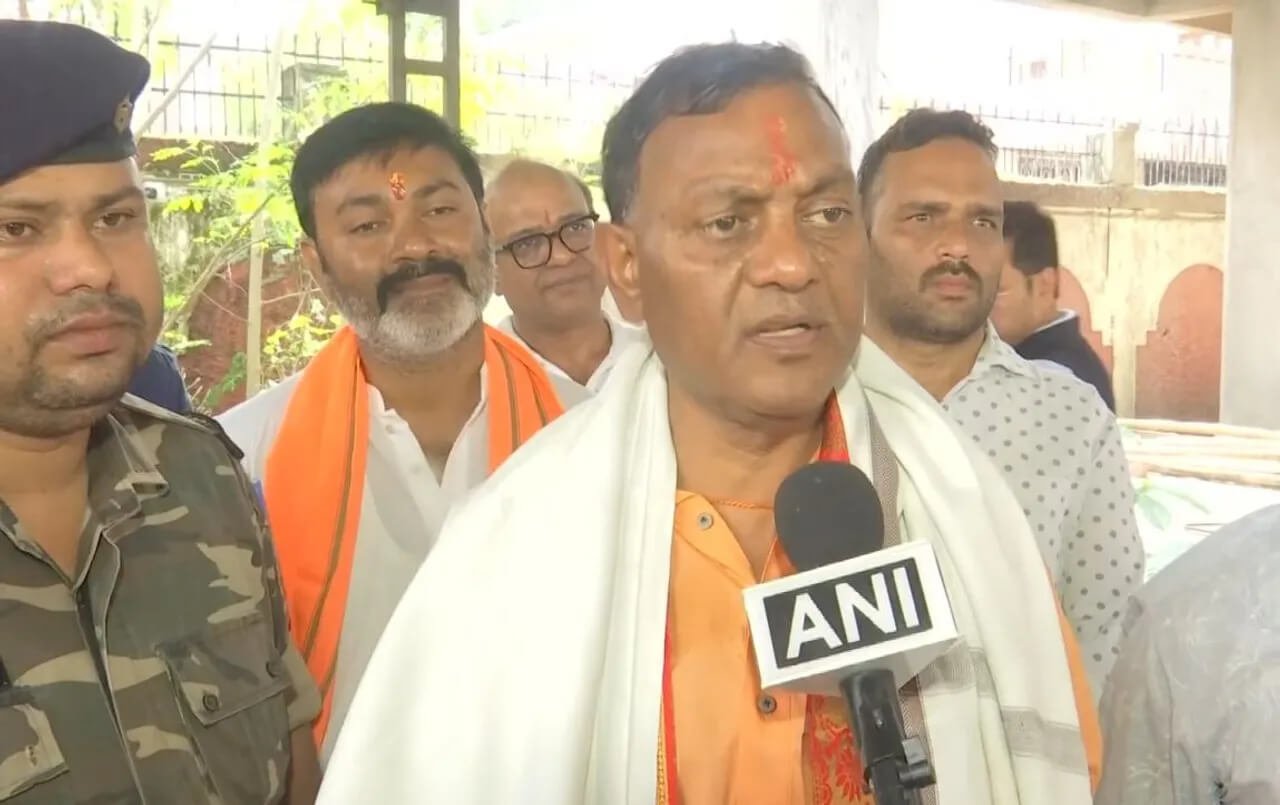
Odisha Law Minister Prithiviraj Harichandan said the pilot model would first be inspected by the Pratihari Nijog, a group of temple servitors. The model will subsequently be presented to other servitor groups for their suggestions and approval before the proposal moves to the temple management committee.
The state government intends to proceed with the arrangement after consultations with the concerned stakeholders. The final decision on implementation will depend on the feedback received from the servitor groups and the approval process within the temple administration.
Pilot Model Prepared for Queue-Based Darshan
According to the Law Minister, a ramp has been prepared based on the design proposed for the queue-based darshan system at Srimandir. The pilot model is intended to help assess how devotees can be guided through a planned queue arrangement inside the temple premises.
The proposed system is expected to establish a more structured flow of devotees and reduce difficulties associated with managing large gatherings. Organising the movement of worshippers is particularly important during festivals, special rituals and other occasions when the number of visitors to the temple increases significantly.
Before the arrangement is introduced, temple servitors will have an opportunity to inspect the model and offer their views. Their feedback is expected to help the authorities assess the suitability of the proposed design and identify any practical issues that may need to be addressed.
The system will not be implemented solely on the basis of the pilot model. Consultations and the necessary approvals will take place before the trial begins.
Pratihari Nijog to Inspect the Ramp First
The Pratihari Nijog will be the first servitor group to inspect the ramp prepared for the proposed queue system. Following this inspection, the model will be presented to other Nijogs so that they can examine the arrangement and provide their suggestions.
The consultation process is considered an important step because temple servitors play a significant role in the daily rituals and functioning of Srimandir. Their observations may help determine whether the proposed system can be integrated with the temple’s established practices.
The authorities will seek the views of different servitor groups before moving forward. The Chhatisa Nijog will also be consulted as part of the approval process.
Once the groups reach a consensus, the proposal will be placed before the temple management committee for further discussion. The arrangement is then expected to be introduced on a trial basis, subject to the required approvals.
Servitors Suggest Rope Barricades as an Alternative
The Pratihari Nijog has also proposed the use of rope barricades or other physical barricades as an alternative way to organise devotees during darshan.
Under this approach, barricades could help guide worshippers along a designated route and maintain order within the temple premises. The Nijog has indicated that it could offer further suggestions on managing the movement of devotees after discussions with the government and the Law Minister.
The suggestion highlights the need to consider practical arrangements that can be managed effectively during different levels of crowd movement.
However, the suitability of rope barricades will depend on the number of devotees present and the space available for orderly movement. The concerns raised by the servitor group are expected to form part of the wider discussions on the proposed system.
Law Minister Says Rope Barricades May Be Difficult During Heavy Crowds
Law Minister Prithiviraj Harichandan has emphasised the importance of developing a planned queue arrangement, pointing out that rope barricades could create difficulties when large numbers of devotees gather at the temple.
Explaining the government’s approach, Harichandan said a rope-based queue model had already been developed and reviewed, but concerns remained about its effectiveness during periods of heavy crowds.
“We had developed and reviewed a model for arranging queues using ropes. However, this could create problems when there is a heavy crowd. From that perspective, the first pilot model for the queue system has already been prepared,” the Law Minister said.
He added that members of the Pratihari Nijog had been requested to inspect the model soon. Other servitor groups, including the Chhatisa Nijog, would also be consulted before any implementation decision was taken.
According to the Minister, the feedback and approval of the concerned groups would be important for moving the proposal forward.
Chhatisa Nijog Approval Key to Implementation
The proposed queue-based darshan system will move to the next stage after consultations with the relevant servitor groups. Harichandan said the government would begin the implementation process once the groups approved the arrangement and the Chhatisa Nijog gave its consent.
“Once all the groups approve the arrangement and the Chhatisa Nijog gives its approval, we will begin the implementation process. I believe the queue system will be introduced very soon,” he said.
The proposed sequence involves inspection of the pilot model, consultations with the servitor groups, discussion by the temple management committee and, subsequently, a trial of the system.
This process is intended to ensure that the arrangement is assessed before it is introduced for devotees. The final design and practical implementation will depend on the outcome of these discussions and the approvals received.
Queue System Aims to Improve Crowd Management at Srimandir
Puri Srimandir attracts devotees from across Odisha and other parts of India throughout the year. Visitor numbers can rise substantially during major festivals and important religious occasions, making crowd management a key concern for the temple administration.
A planned queue system could help guide devotees more systematically, reduce confusion during peak periods and support a smoother movement of worshippers through designated areas.
At the same time, the arrangement will need to account for the temple’s existing rituals, operational requirements and the views of its servitor groups. These considerations are among the reasons the proposed pilot model is being reviewed before implementation.
For now, the queue-based darshan system remains a proposal awaiting consultation and approval. The Law Minister has expressed confidence that the process can move forward soon, but its introduction will depend on the outcome of the discussions and the trial arrangement.