
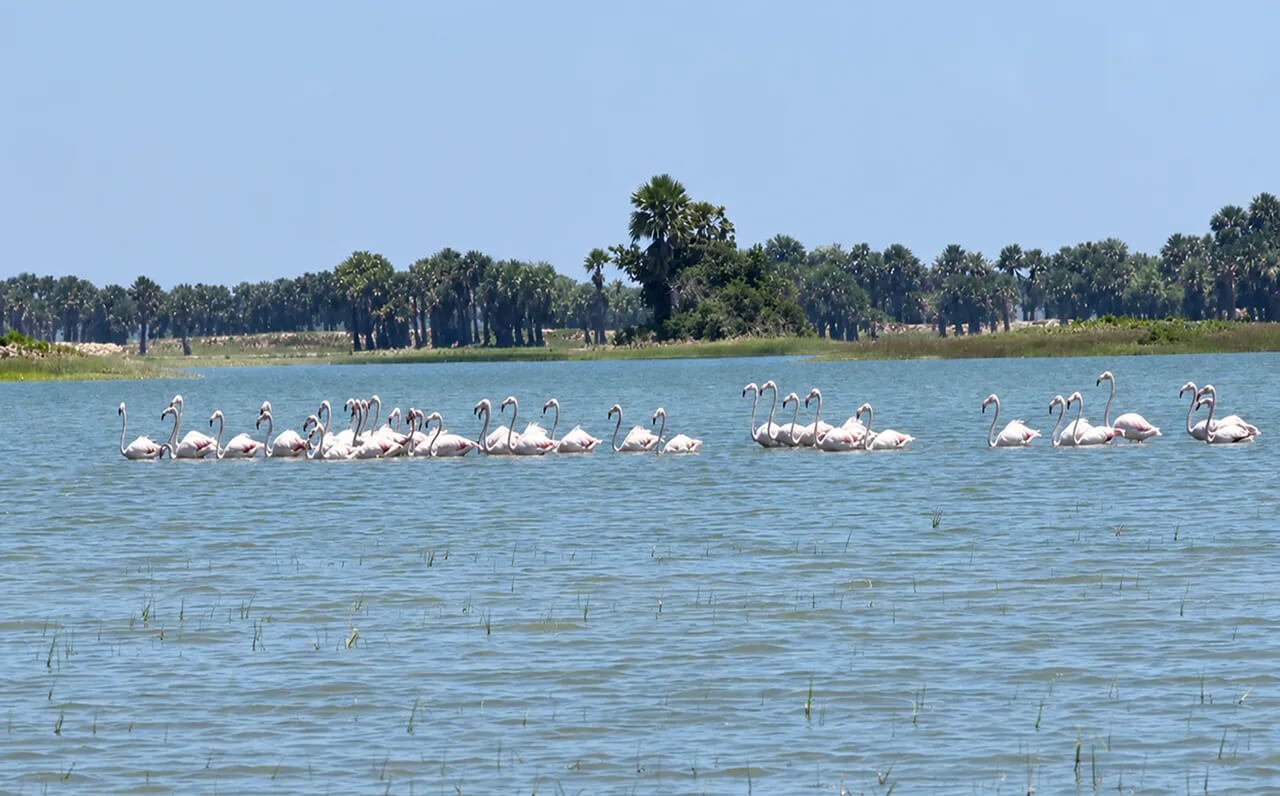
Chilika, Odisha: Flamingos have begun arriving at Chilika Lake ahead of the usual winter migration season, bringing excitement to bird lovers and nature enthusiasts across Odisha. The early appearance of the colourful migratory birds has attracted attention, particularly as the region continues to experience hot and humid weather without the typical winter chill.
The return of flamingos has raised hopes that Chilika Lake could witness a stronger arrival of migratory birds in the coming months. The birds have reportedly remained scarce in the area over the past three to four years, making their renewed presence an encouraging development for birdwatchers and those concerned about the lake’s biodiversity.
Chilika Lake, Asia’s largest brackish water lagoon, is known for its rich aquatic ecosystem and seasonal arrival of migratory birds. Every year, the lake becomes an important destination for birds travelling from distant regions in search of suitable feeding and resting grounds during winter.
Flamingos Arrive Before the Onset of Winter
Flamingos are generally spotted at Chilika Lake in greater numbers towards the end of the year, particularly between November and December, with sightings also reported during February and March. Their appearance before the onset of winter has therefore drawn considerable interest among bird enthusiasts.
Despite the prevailing daytime heat, several flamingos have already arrived at the lake. Their presence has added to Chilika’s natural beauty and renewed expectations among bird lovers who look forward to the annual migration season.
The early arrival is particularly notable because migratory bird activity usually increases as temperatures fall and winter conditions become established. However, the overall number of birds expected to visit Chilika this season remains uncertain.
Bird Enthusiast Reports Renewed Flamingo Presence
Bird enthusiast Pabitra Mohan Dash said flamingos generally visit Chilika Lake between November and December and again between February and March. According to him, their presence had remained limited over the past three to four years, making this year’s sightings significant.
“This year, the birds have returned in large numbers, enhancing the lake’s natural beauty,” Dash said, adding that several flamingos had already landed at the lake despite the intense daytime heat.
His observations have brought renewed optimism among bird lovers, who hope that the early sightings could be followed by the arrival of other migratory species as the winter season approaches.
However, the early appearance of flamingos alone does not establish how large the overall migratory bird population will be this year. Birdwatchers will be keeping a close eye on the lake in the coming weeks to understand the scale of the seasonal influx.
Chilika Lake Regains Its Picturesque Appearance
Following disruptions caused by rain and cyclones, Chilika Lake has regained its calm and picturesque appearance, according to the report. The lake’s blue waters and surrounding natural landscape provide an important habitat for a wide variety of birds and other wildlife.
The arrival of flamingos has added to the lake’s appeal, attracting the attention of bird lovers who visit the region to observe migratory species in their natural surroundings.
Chilika’s wetlands, shallow waters and food resources make it an important location for birds during their seasonal movements. Its ecological importance also makes the conservation of the lagoon essential for maintaining suitable habitats for resident and migratory wildlife.
Migratory Birds Travel Long Distances to Reach Chilika
Every winter, Chilika Lake welcomes migratory birds from Siberia and other parts of the world. These birds travel long distances to find food and suitable habitats during the colder months in their native regions.
The lake provides feeding and resting grounds where the birds can remain for several months before returning to their breeding areas as winter ends.
The seasonal migration is one of Chilika’s major natural attractions. It also supports birdwatching and nature tourism, drawing visitors who want to observe different species in the lagoon’s distinctive wetland environment.
The arrival of migratory birds is closely watched by wildlife enthusiasts and conservationists because changes in their numbers and seasonal patterns can raise questions about habitat conditions and environmental pressures.
Climate Change and Hunting Raise Concerns
Despite its importance as a winter destination for migratory birds, Chilika has reportedly experienced a decline in their numbers over the past few years. Changes in weather patterns and hunting have been identified as major concerns affecting the presence of birds in the region.
Changing climatic conditions may influence the timing of migration and the availability of suitable habitats and food resources. Meanwhile, hunting poses a direct threat to birds and can undermine efforts to protect the lake’s wildlife.
Bird lovers have called for stronger measures to prevent illegal hunting and safeguard the region’s biodiversity. Protecting bird habitats and maintaining the ecological balance of Chilika are important for ensuring that migratory species continue to use the lake as a seasonal refuge.
Conservation efforts are also significant for preserving the lagoon’s natural beauty and supporting its long-standing reputation as one of Odisha’s prominent destinations for birdwatching.
Early Sightings Raise Hopes for the Winter Bird Season
The return of flamingos has created fresh optimism among bird enthusiasts ahead of the winter migration season. Their early presence offers a reason for cautious hope following several years of reportedly sparse sightings.
Whether Chilika witnesses a larger influx of migratory birds this year will become clearer as the season progresses. The number and variety of birds arriving in the coming weeks will be important indicators of the scale of this year’s migration.
For now, the flamingos’ appearance has renewed attention on Chilika Lake’s ecological significance and the need to protect its wetlands. Preventing hunting, preserving habitats and maintaining the lake’s environmental health will remain essential to safeguarding its status as a major seasonal destination for migratory birds.