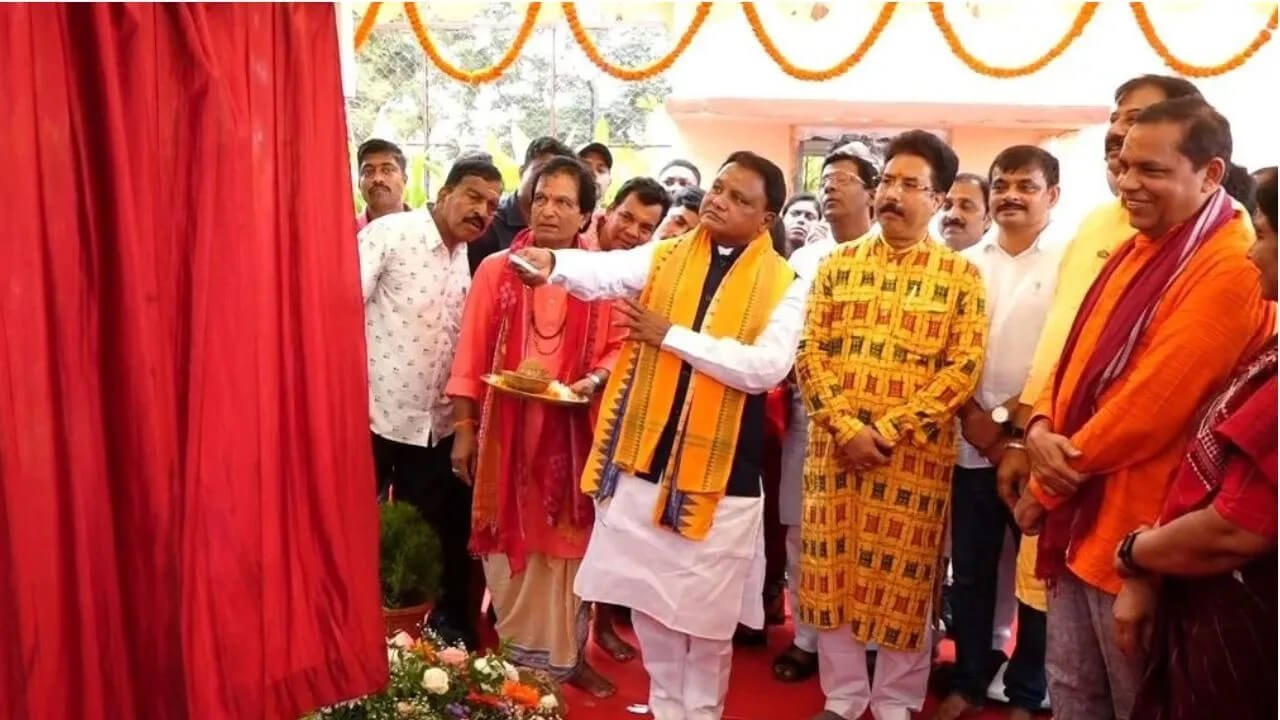

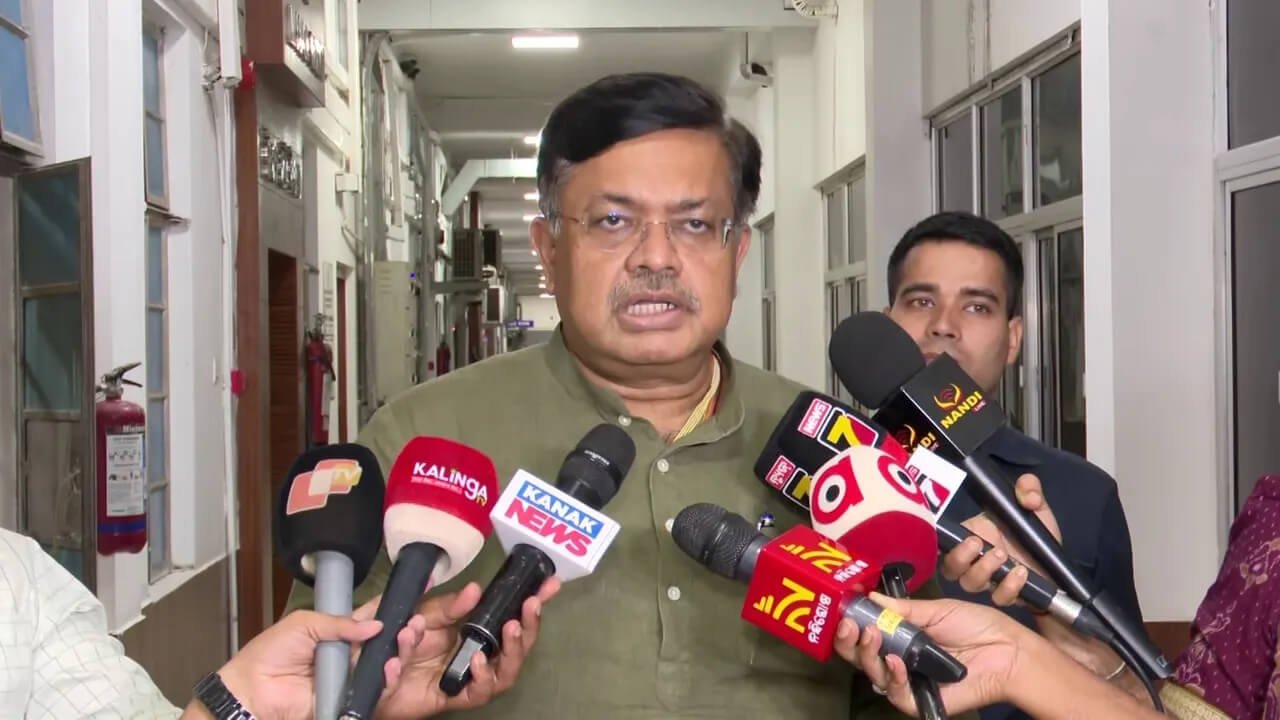
Puri: Devotees visiting the Shree Jagannath Temple in Puri may soon experience a more organised darshan system, with the Odisha government planning to introduce a dedicated queue-based darshan arrangement at Srimandir within the next three to four months.
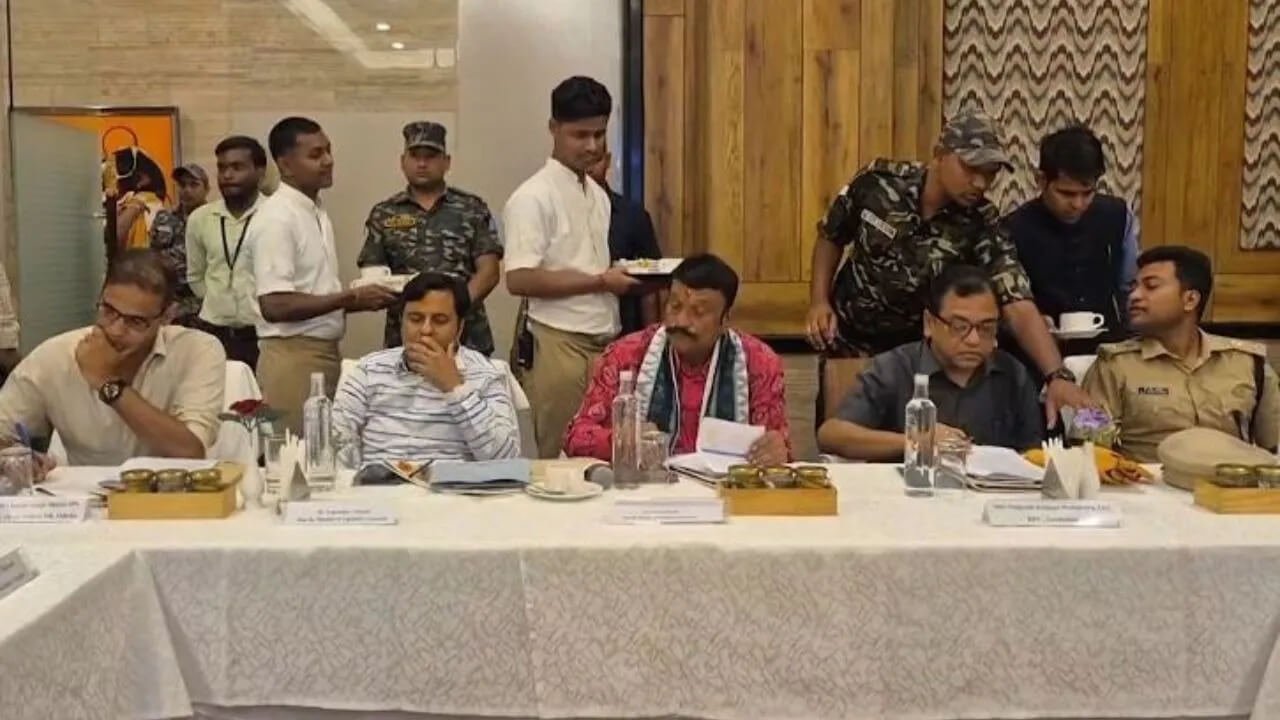
Odisha Law Minister Prithviraj Harichandan announced the proposed timeline on Monday following a high-level meeting held at Lok Seva Bhavan in Bhubaneswar to discuss the new system.
Five Ramps Planned for Devotees
The meeting was chaired by Law Minister Harichandan and attended by the Puri Superintendent of Police and senior government officials.
Under the proposed queue arrangement, devotees will be guided towards the sanctum through five dedicated ramps. The system is expected to allow around 50 devotees to have darshan simultaneously through the five ramps.
The government believes the planned infrastructure will make the movement of devotees more systematic and reduce difficulties caused by large gatherings inside and around the temple.
8,000 Devotees Expected to Get Darshan Every Hour
A key objective of the new system is to increase the number of devotees who can have darshan within a shorter period.
According to Minister Harichandan, the proposed arrangement could enable approximately 8,000 devotees to have darshan every hour once the system becomes operational.
The higher throughput is expected to be particularly beneficial during periods when Puri witnesses a significant increase in pilgrim footfall.
Focus on Crowd Management
Managing crowds at Srimandir has remained an important challenge, particularly during festivals, weekends and other peak periods when thousands of devotees arrive in Puri.
The queue-based system is expected to regulate the movement of devotees and create a more structured flow towards the sanctum. Authorities also expect it to help reduce congestion and improve overall crowd management.
The proposed arrangement is aimed at ensuring that devotees can have darshan in a more orderly and convenient manner, while allowing temple authorities and security personnel to manage the large volume of visitors more efficiently.
With the government targeting implementation within three to four months, preparations for the new queue system are expected to gather pace in the coming weeks.