
New Delhi: In a significant push towards Aatmanirbhar Bharat and self-reliance in defence manufacturing, the Department of Defence Production (DDP) under the Ministry of Defence has notified the sixth Positive Indigenisation List (PIL) containing 405 strategically important defence items with an estimated business potential of Rs 3,070 crore.
The latest list is aimed at expanding opportunities for Indian manufacturers, encouraging domestic investment and innovation, and reducing the country’s dependence on imported defence equipment and components.
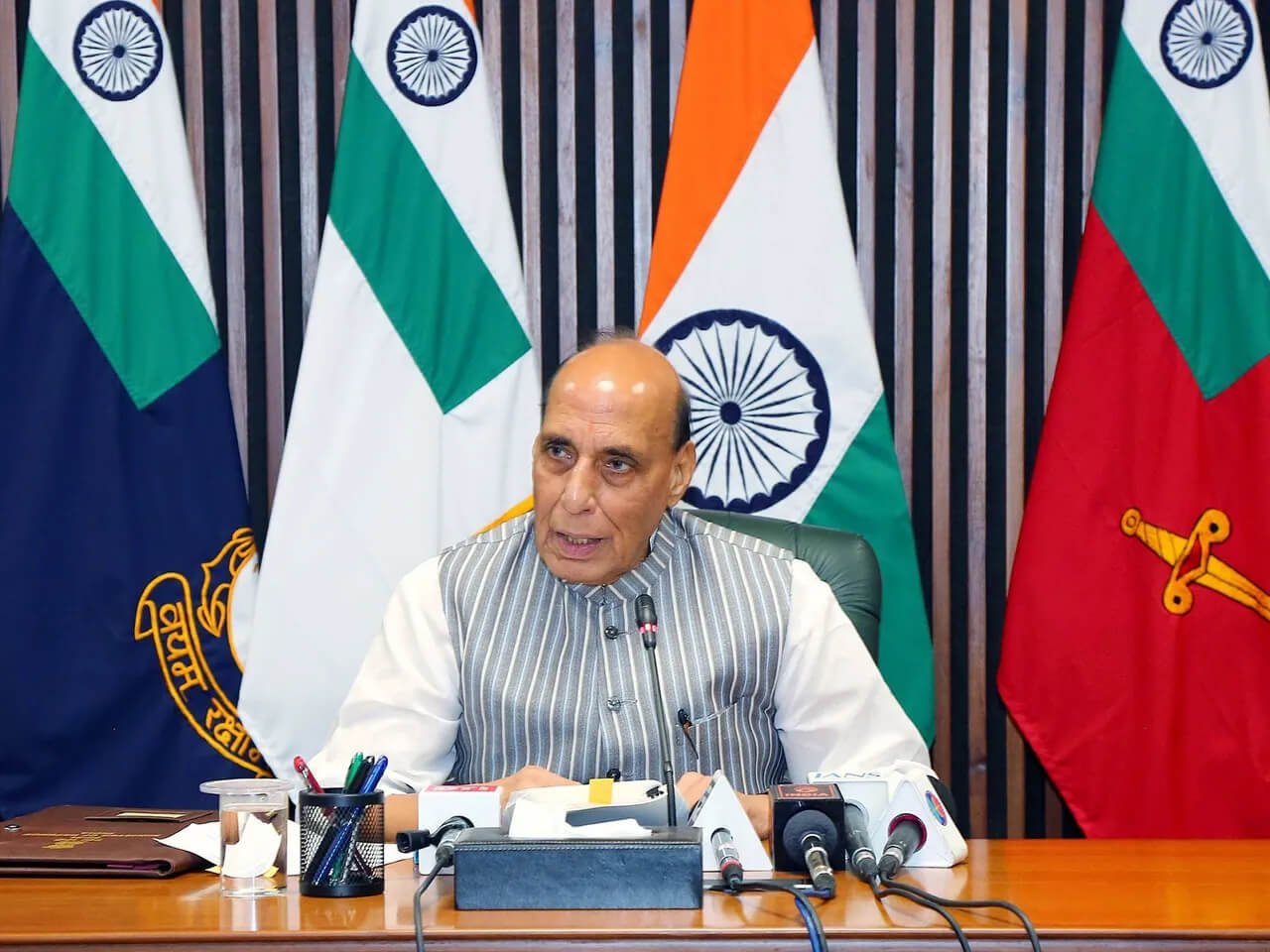
Defence Minister Rajnath Singh said the initiative would further strengthen India’s domestic defence manufacturing ecosystem and create greater opportunities for Indian industry.
405 Defence Items Added To Positive Indigenisation List
Of the 405 items included in the sixth PIL, 16 are related to the Indian Coast Guard (ICG), while the remaining 389 items are associated with Defence Public Sector Undertakings (DPSUs).
According to the Ministry of Defence, the list covers a wide range of defence components, including Line Replaceable Units (LRUs), sub-systems, sub-assemblies, spare parts, components and raw materials.
The items have been identified across several critical defence platforms and systems, providing Indian companies with opportunities to develop and manufacture products that were earlier sourced from abroad.
Aircraft, Tanks And Missile Systems Covered
The new indigenisation list includes components associated with several important aircraft and defence platforms. These include the Advanced Light Helicopter (ALH), Light Utility Helicopter (LUH), Su-30MKI, Light Combat Aircraft (LCA) and the AL-31FP engine.
Armoured platforms such as the T-72, T-90 and BMP-II have also been included.
The list further covers components related to warships and missile systems, including Konkurs-M, Invar and MRSAM.
Several advanced defence electronics and systems are also part of the initiative. These include radars, sonars, fire control systems and satellite communication systems, along with High Explosive Anti-Tank ammunition and other critical equipment.
Indian Industry To Get Greater Manufacturing Opportunities
Each item on the Positive Indigenisation List comes with an indicative timeline for domestic development. Once the required products are successfully developed in India, they will be procured from domestic manufacturers.
The DPSUs and Indian Coast Guard will pursue indigenisation through multiple mechanisms, including the Make procedure and in-house development.
Domestic companies, particularly Micro, Small and Medium Enterprises (MSMEs), are expected to play an important role in developing these defence products.
The initiative could provide Indian defence manufacturers with greater access to the defence supply chain while encouraging technological development and private-sector participation.
SRIJAN Portal Strengthens Defence Indigenisation
The government’s defence indigenisation programme is also supported by the SRIJAN Defence Portal, which was launched by the Department of Defence Production in August 2020.
The platform enables DPSUs and Service Headquarters to identify defence products that can be developed and manufactured domestically and offer these opportunities to Indian companies, including MSMEs and start-ups.
Up to June 2026, more than 33,000 defence items had been offered for indigenisation through DPSUs and Service Headquarters.
This includes 5,012 items notified under the first five Positive Indigenisation Lists.
Over 15,700 Defence Items Already Indigenised
The government’s efforts have already resulted in significant progress in replacing imported defence equipment with Indian-made alternatives.
More than 15,700 defence items have been successfully indigenised, generating an estimated import-substitution value of approximately Rs 9,000 crore over the past five years.
Meanwhile, DPSUs have placed procurement orders, including in-house production, worth around Rs 10,000 crore with domestic vendors up to March 2026.
The sixth Positive Indigenisation List is expected to further expand this ecosystem and strengthen India’s capabilities in defence manufacturing, technology development and supply-chain localisation.
The move represents another major step towards building a self-reliant Indian defence industry and positioning domestic manufacturers as important suppliers for India’s armed forces.