
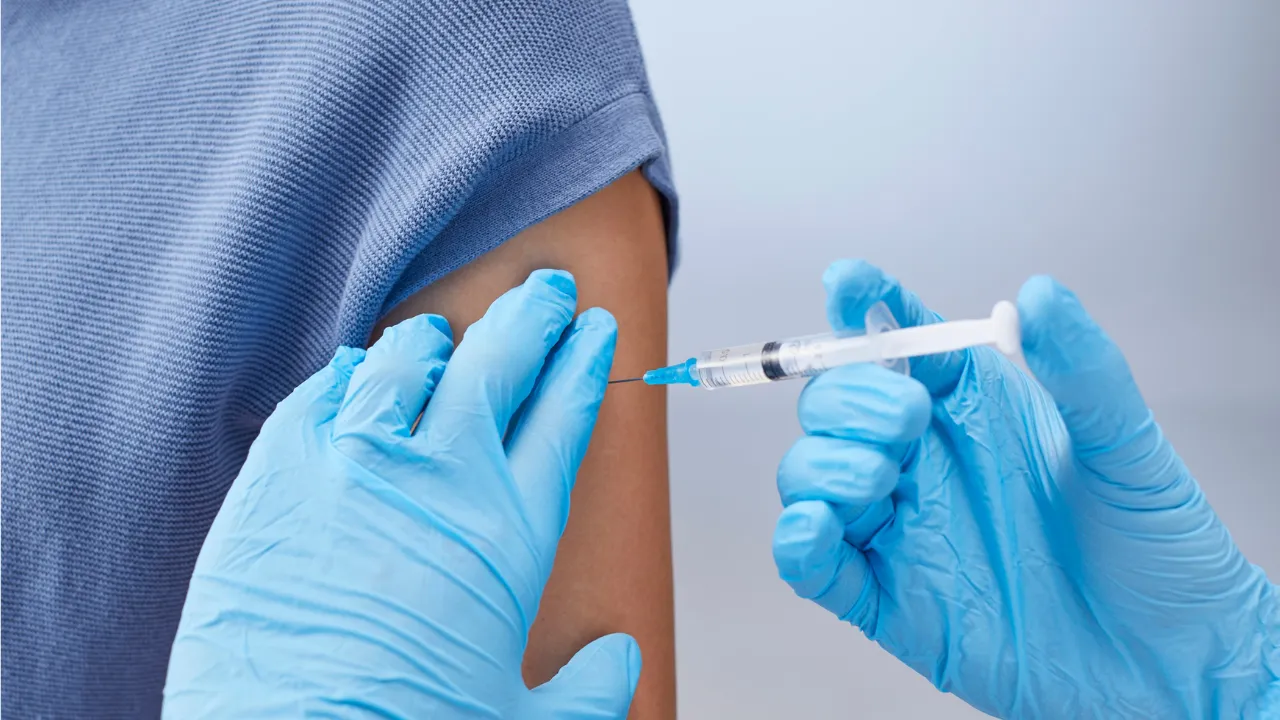
India has achieved a significant milestone in its fight against dengue, with the Central Drugs Standard Control Organisation (CDSCO) approving Takeda’s QDENGA (TAK-003), the country’s first approved dengue vaccine. The approval marks a major advancement in India’s public health efforts as dengue cases continue to rise due to rapid urbanisation, climate change, changing mosquito breeding patterns, and population growth.
The approval paves the way for the introduction of a scientifically validated vaccine that offers protection against all four known dengue virus serotypes, providing a new tool to reduce severe infections and dengue-related hospitalisations across the country.
QDENGA Protects Against All Four Dengue Virus Serotypes
QDENGA is a live-attenuated tetravalent dengue vaccine designed to protect against all four dengue virus strains:
- DENV-1
- DENV-2
- DENV-3
- DENV-4
One of the vaccine’s key advantages is that it does not require a prior blood test to determine whether an individual has previously been infected with dengue. This simplifies the vaccination process and makes it easier to implement in countries with a high dengue burden like India.
The vaccine has already received regulatory approval in more than 40 countries, including the European Union, the United Kingdom, Brazil, Indonesia, Argentina, and several other nations.
Two-Dose Vaccine Recommended By WHO
QDENGA is administered as two subcutaneous injections, with the second dose given three months after the first.
The World Health Organization (WHO) recommends the vaccine as part of a comprehensive dengue prevention strategy in countries where dengue remains a major public health challenge. Experts believe vaccination, combined with mosquito control measures, surveillance, and public awareness campaigns, can significantly reduce the burden of the disease.
Clinical Trial Demonstrated Strong Protection
The vaccine’s approval is supported by data from the Phase III TIDES clinical trial, one of the largest dengue vaccine studies conducted globally.
The trial involved more than 20,000 children and adolescents across eight dengue-endemic countries and monitored participants for 4.5 years.
According to the study findings:
- 84% protection against dengue-related hospitalisation
- Around 61% protection against virologically confirmed dengue infections
The results demonstrated the vaccine’s ability to substantially reduce severe disease and hospital admissions, making it an important preventive tool in regions where dengue outbreaks occur frequently.
India Yet To Announce Vaccine Price
While the CDSCO has approved QDENGA for use in India, the official pricing has not yet been announced.
However, availability is expected to improve through Takeda’s manufacturing partnership with Hyderabad-based Biological E, which is capable of producing up to 50 million doses annually.
The collaboration is expected to strengthen domestic supply, improve accessibility, and potentially lower the vaccine’s cost over time, making it more affordable for large-scale immunisation programmes.
A Significant Public Health Milestone
India reports thousands of dengue cases every year, particularly during the monsoon and post-monsoon seasons when mosquito breeding increases. Public health experts believe the approval of QDENGA could become a turning point in reducing severe dengue infections, easing the burden on hospitals, and complementing existing mosquito control initiatives.
Although vaccination offers an additional layer of protection, health authorities continue to emphasise the importance of eliminating mosquito breeding sites, using mosquito repellents, wearing protective clothing, and seeking early medical attention if dengue symptoms develop.
The approval of India’s first dengue vaccine represents a major step towards strengthening the country’s preparedness against one of its most persistent vector-borne diseases.