
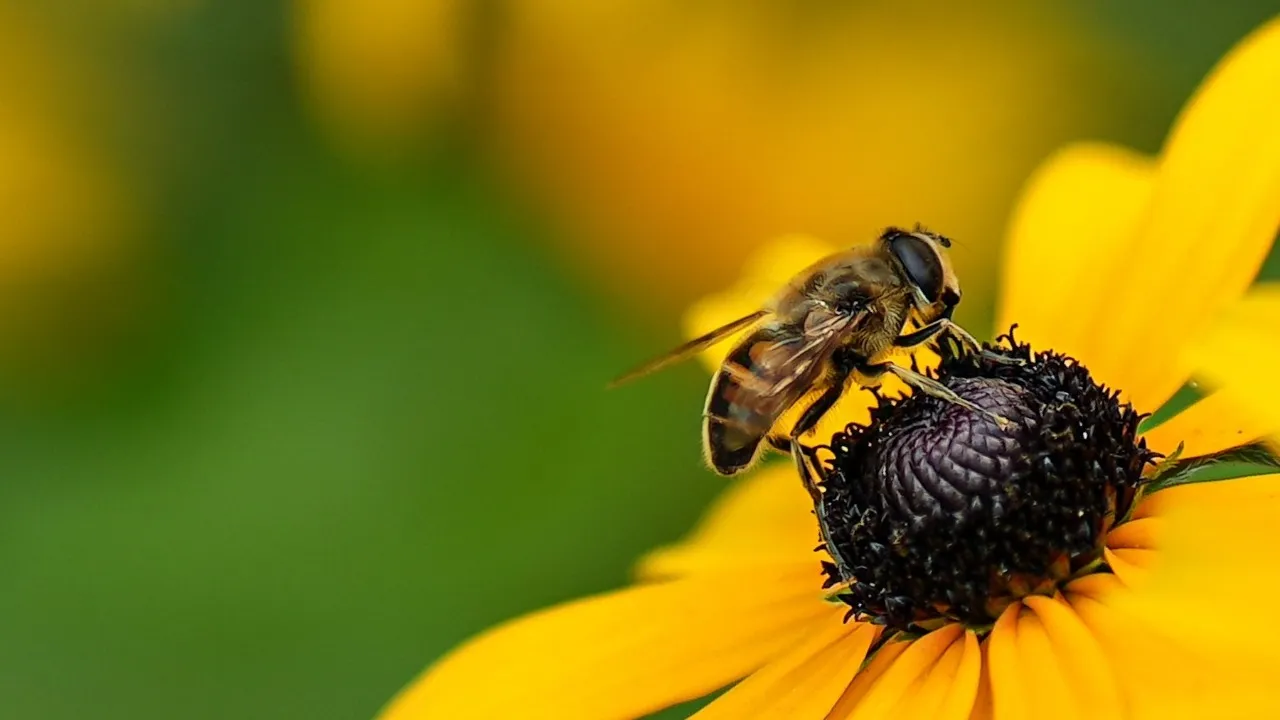
In a major ecological initiative, the National Highways Authority of India (NHAI) has decided to develop Odisha’s first-ever ‘bee corridor’ along selected national highway stretches in the state. The project aims to protect pollinator species, especially honeybees, while strengthening biodiversity and environmental sustainability along highway networks.
The initiative marks a significant shift from traditional ornamental roadside landscaping towards eco-sensitive infrastructure development focused on conservation and habitat restoration.
According to the Ministry of Road Transport and Highways, the decline in pollinator populations poses a serious threat to agricultural productivity, horticulture and ecological balance, as bees and other pollinating insects play a crucial role in food production and ecosystem health.
Bee Corridor To Be Developed Across Three Odisha Districts
As part of the project, the NHAI regional office in Odisha plans to create nearly 20,000 flowering plantations along designated highway stretches in:
- Ganjam
- Dhenkanal
- Sambalpur
The corridor is being designed to support the natural movement and foraging behaviour of wild bees and honeybees.
Officials said flowering clusters would be planted systematically at intervals of 500 metres to one kilometre, ensuring continuous food sources for pollinators across the highway stretches.
Diverse Plantation Strategy Planned
Unlike conventional roadside plantations that often focus on aesthetic value alone, the bee corridor will adopt a scientifically planned ecological approach to ensure year-round nectar and pollen availability.
Layered Plantation System
The project will include a combination of:
- Grasses
- Herbs
- Flowering shrubs
- Native trees
This layered vegetation model is expected to create a balanced micro-ecosystem supporting pollinators and other beneficial insects.
Seasonal Flowering To Support Bees Throughout The Year
Authorities stated that plant species would be carefully selected to ensure staggered blooming across different seasons.
This approach will help maintain uninterrupted nectar and pollen supply for bees throughout the year instead of limiting flowering to a single season.
In addition, naturally occurring flowering weeds will also be allowed to grow in designated areas to preserve natural habitats and improve biodiversity.
Initiative Aims To Improve Ecological Balance
Environmental experts believe the project could help revive pollinator populations, which have been under increasing stress due to urbanisation, habitat destruction, pesticide use and climate change.
The Ministry noted that a decline in pollinators not only impacts crop yields but also affects ecological stability and food security.
By integrating ecological conservation with highway infrastructure, the initiative is expected to create sustainable green corridors that support both environmental and agricultural systems.
NHAI Plans Expansion Of Eco-Corridors
Officials indicated that the bee corridor model may later be replicated in other parts of Odisha and across national highway networks in different states, depending on agro-climatic suitability.
The NHAI is also exploring the use of vacant authority-owned land for similar eco-restoration projects aimed at improving environmental quality along transport corridors.
The initiative is being viewed as an innovative step towards combining infrastructure development with biodiversity conservation and climate-resilient planning.