

New Delhi: The ongoing BRICS Summit in India has been described as a major opportunity to deepen economic and business ties among member countries, with South Africa sending a large business delegation to participate in discussions on trade, investment, technology and development.
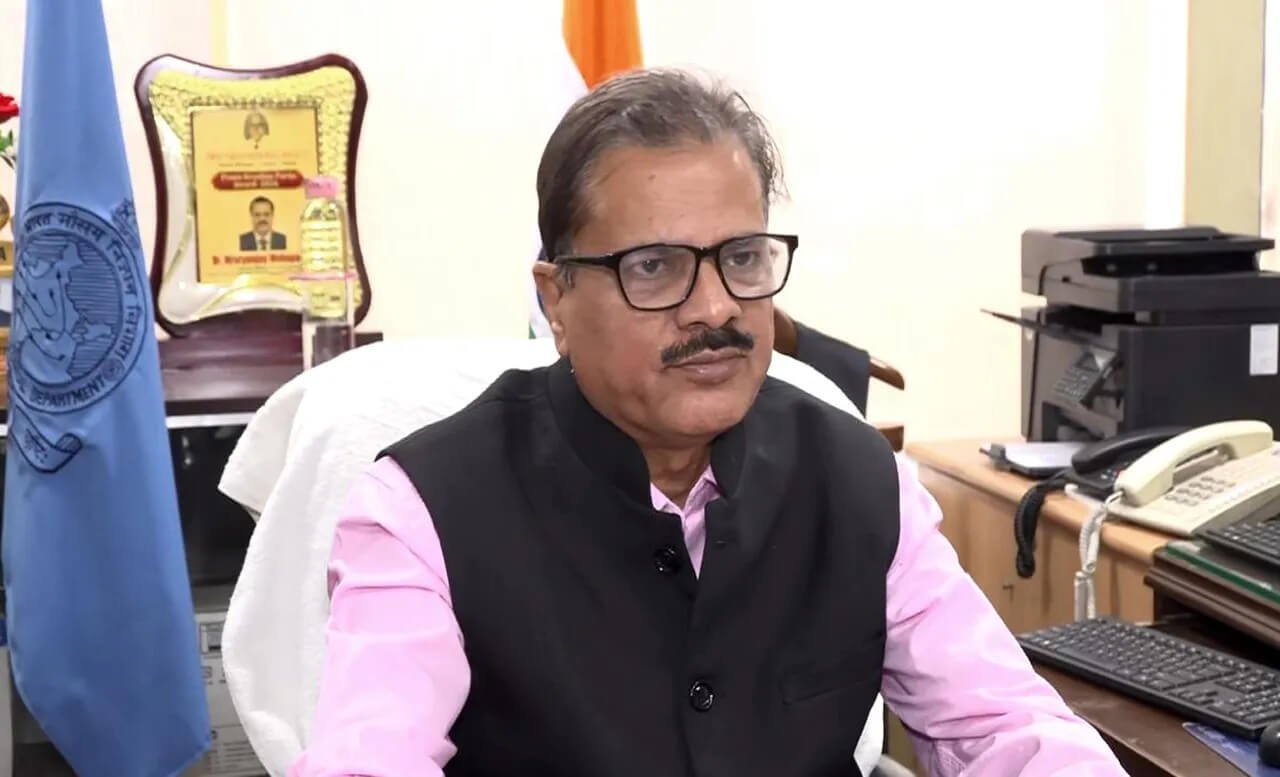
Ayanda Holo, President of TV BRICS Africa, described the summit as a “wonderful experience”, pointing to its expanded scale and the participation of a large number of delegations and business representatives.
According to Holo, South Africa brought more than 130 business owners to India for the summit, underlining the country’s interest in strengthening commercial ties with other BRICS economies.
South African Business Community Takes Centre Stage
Holo said the scale of this year’s gathering was significantly larger, with extensive participation from government delegations as well as the private sector.
The presence of more than 130 South African business representatives highlights the growing importance being attached to direct business-to-business engagement within the BRICS framework.
Holo also emphasised the message delivered by South African President Cyril Ramaphosa, who argued that governments alone cannot shoulder the responsibility of economic development.
According to Holo, businesses must play an active role in building stronger economic relationships and creating shared prosperity between South Africa, India and other BRICS nations.
Ramaphosa Calls for Stronger Role of Businesses
Addressing the Leaders’ Session of the BRICS Business Forum, President Cyril Ramaphosa said the grouping was at an important turning point amid major changes in the global economy.
He pointed to shifting trade patterns, rapid technological developments and increasing climate pressures as forces reshaping the way countries and companies operate.
Ramaphosa said the changing environment should be viewed as an opportunity for BRICS nations to build a more resilient, diversified and inclusive economic future for the Global South.
He stressed that businesses and governments would increasingly need to reassess where goods are sourced, where production is located and where investments are made.
BRICS Must Move Beyond Commodity-Based Trade
Ramaphosa also urged BRICS countries to go beyond simply increasing the volume of trade among themselves.
He argued that developing economies have historically occupied lower-value positions in global supply chains, often exporting raw commodities while importing finished products manufactured elsewhere.
According to the South African President, BRICS should avoid replicating this pattern within its expanded membership.
Instead, he called for deeper productive economic relationships, greater value creation, technology development and higher-value manufacturing among member countries.
The approach could help BRICS economies capture a larger share of global value chains and create stronger domestic industrial capabilities.
BRICS Business Council’s Role Highlighted
Ramaphosa also recalled the establishment of the BRICS Business Council during South Africa’s first BRICS presidency in 2013.
The council was created with the understanding that economic cooperation cannot be driven by governments alone and that private companies need to play a central role in strengthening commercial partnerships.
Ramaphosa said South Africa was represented by around 120 companies at the business forum, describing the participation as a significant achievement.
The business presence provides companies with an opportunity to explore partnerships, investment opportunities and new markets across the BRICS grouping.
Push for a Common BRICS Payment System
Another major issue discussed at the summit is the possibility of developing stronger payment connectivity among BRICS economies.
Holo said the idea of a common payment system has been under discussion for some time and expressed hope that the current summit would demonstrate tangible progress.
He noted that BRICS countries have increasingly explored the use of local currencies for bilateral trade, reducing their reliance on the US dollar for transactions between member economies.
According to Holo, greater use of local currencies could provide BRICS countries with more flexibility in conducting trade and strengthen direct economic links between participating nations.
India Advocates Local-Currency Trade
The issue of payment connectivity also aligns with India’s broader push for easier cross-border transactions within BRICS.
Indian officials have called for BRICS members and partner countries to explore linking their payment systems and facilitating trade in local currencies.
The objective is to make transactions more efficient, strengthen financial resilience and provide businesses with additional mechanisms for conducting international trade.
The discussion around payment systems has therefore emerged as an important component of the broader BRICS economic agenda.
BRICS Business Forum Drives Economic Dialogue
The BRICS Business Forum serves as one of the grouping’s key platforms for private-sector engagement.
It brings together business leaders, government ministers and heads of state to discuss major issues covering trade, investment, finance, technology and economic development.
The forum also provides an avenue for recommendations from the BRICS Business Council to be placed before policymakers.
Its discussions and recommendations contribute to the group’s broader economic agenda, including cooperation in areas such as intra-BRICS trade, investment, digital economy, MSMEs, standards and integration of value chains.
Focus on a More Resilient Global South
The discussions at the BRICS Business Forum reflect the growing emphasis on building economic resilience within the grouping.
For South Africa, India’s BRICS summit provides an opportunity to expand commercial partnerships and encourage businesses to participate more actively in cross-border investment and production.
For India and other members, the focus on local currencies, payment connectivity, resilient supply chains and higher-value manufacturing reflects a broader effort to strengthen the economic position of emerging markets.
As BRICS continues to expand its global footprint, the participation of hundreds of business leaders and the emphasis on deeper private-sector cooperation could play an important role in shaping the group’s future economic partnerships.