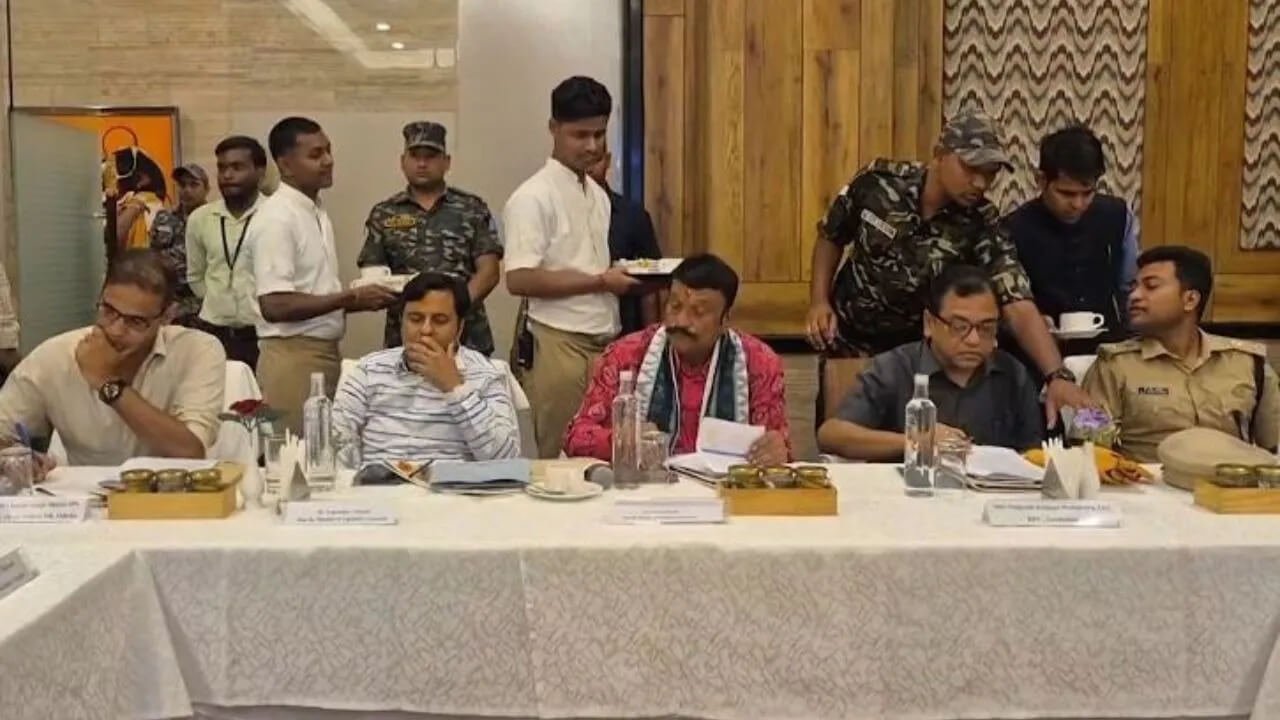

The 8th Central Pay Commission (CPC) has stepped up its nationwide consultation process as it works towards revising the salary, allowances, and pension structure for central government employees and pensioners. Entering its eighth month of deliberations, the commission has begun a series of regional stakeholder meetings, including a two-day consultation in Bhubaneswar, to gather feedback before finalising its recommendations.
Headed by former Supreme Court judge Justice Ranjana Prakash Desai, the commission is conducting state-level interactions with employee unions, government departments, and pensioners’ associations to better understand regional concerns and workplace realities.
State-Level Consultation Schedule
The commission concluded the window for public suggestions on June 15, while submissions of departmental data closed on June 30. It has now moved to the next phase of consultations through meetings across different parts of the country.
The current schedule includes:
- Bhubaneswar, Odisha: Two-day stakeholder consultations on July 6 and 7.
- Kolkata, West Bengal: Interactive meetings with stakeholders on July 9 and 10.
- Mumbai, Maharashtra: A planned visit to the Central Railway (CR) Zone to assess employee working conditions and operational challenges.
These consultations are expected to help the commission prepare practical recommendations based on feedback from employees and departments across sectors.
Focus on Railway Employees’ Working Conditions
As part of its field visits, the commission will conduct an on-ground assessment of railway operations during its Mumbai tour.
Working alongside the All India Railwaymen’s Federation (AIRF) and the National Federation of Indian Railwaymen (NFIR), the panel will inspect railway workshops and operational areas while travelling on high-speed rail corridors.
The commission will examine several critical aspects of railway operations, including:
- The physically demanding and high-risk duties performed by track maintainers, keymen, and patrolmen.
- Responsibilities handled by pointsmen, technicians, and signal maintainers.
- Safety pressures faced by personnel working in station control rooms, bridge inspection units, and operational management centres.
The objective is to understand workplace conditions firsthand before recommending changes related to pay structures, allowances, and service benefits.
Around 1.15 Crore Beneficiaries
The recommendations of the 8th Pay Commission are expected to impact nearly 50 lakh central government employees and around 65 lakh pensioners, including retired defence personnel.
Apart from Justice Ranjana Prakash Desai, the commission comprises former IAS officer Pankaj Jain as Member-Secretary and Professor Pulak Ghosh as a member.
When Will the New Pay Commission Be Implemented?
According to current projections, the commission is expected to submit its final report between February and May 2027.
Some employee representatives, including Dr. Manjeet Singh Patel, National President of the All India NPS Employees Federation, have indicated that an announcement could be made around April 2027.
However, based on the implementation timeline of previous pay commissions, the government’s review, approval, and rollout of the recommendations could take an additional two to three years, meaning the revised pay and pension structure may come into effect around 2029 or 2030.
The 8th Pay Commission is expected to recommend changes across 18 levels of the central government pay matrix, with revisions likely to cover salaries, pensions, allowances, and other service-related benefits.