
Chatrapur: In a significant step towards promoting sustainable livelihoods and rural entrepreneurship, the Tata Steel Foundation (TSF) has helped establish a community-owned Kewda distillation plant at Kalipalli village in Odisha’s Ganjam district. The initiative has enabled vulnerable families to move up the value chain by processing kewda flowers into high-value perfume, substantially improving their incomes while ensuring long-term community ownership.
Located near the Tata Steel Special Economic Zone (SEZ) at Gopalpur, the project has transformed a traditional occupation into a profitable rural enterprise, benefiting families that had long depended on middlemen to sell raw kewda flowers.
Unlocking the Potential of a Traditional Resource
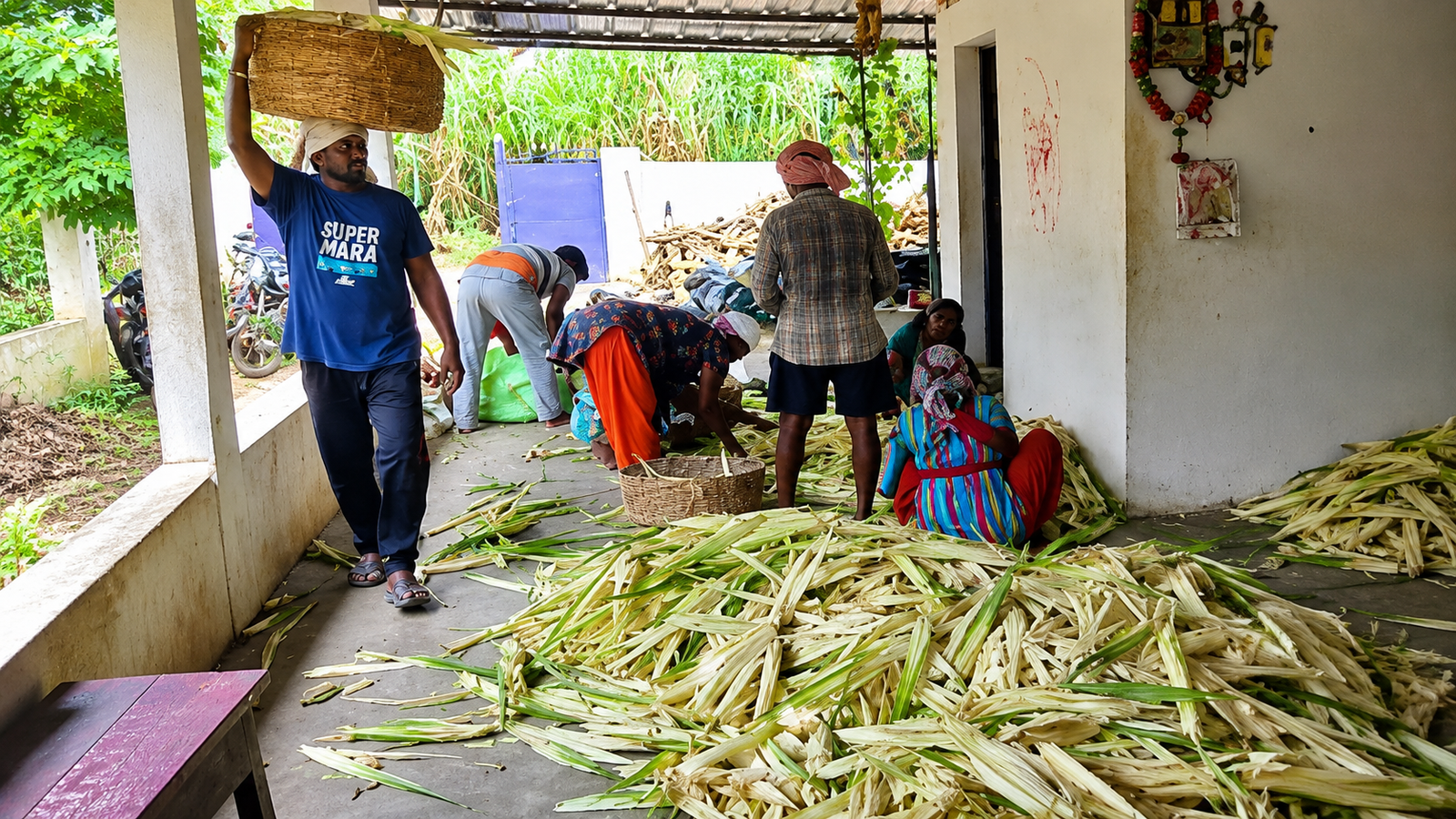
Kalipalli, situated in Chatrapur block, is naturally rich in kewda plants (Pandanus fascicularis), whose fragrant male flowers are distilled to produce kewda ruh, a premium aromatic essence.
Kewda essence is widely used in food flavouring, perfumes, cosmetics, traditional sweets, and tobacco products. It also enjoys strong demand in international markets, particularly in several Middle Eastern and Arab countries.
Despite having abundant natural resources, local harvesters had traditionally earned only modest incomes by selling freshly collected flowers to traders and intermediaries, who captured most of the value from the final product.
Community Ownership at the Core
To address this gap, the Tata Steel Foundation facilitated the formation of the Kalipalli Youth Kewda Society, a community-based organisation comprising 20 vulnerable families with a total of 115 members.
During the financial year 2023–24, the Foundation supported the establishment of a modern kewda distillation plant, enabling the community to process flowers locally instead of selling them in raw form.
To ensure long-term sustainability, the Society entered into a 15-year land lease agreement, giving community members complete operational responsibility and ownership of the facility.
Shared Investment for Sustainable Growth
The project was designed around a model of shared responsibility and collective ownership.
While the local community invested in infrastructure development, labour, utility connections, and lease expenses, the Tata Steel Foundation provided one-time financial assistance of ₹29.75 lakh for procuring copper distillation equipment and other essential processing materials.
The collaborative approach has strengthened community participation while creating a self-sustaining enterprise capable of generating long-term income.
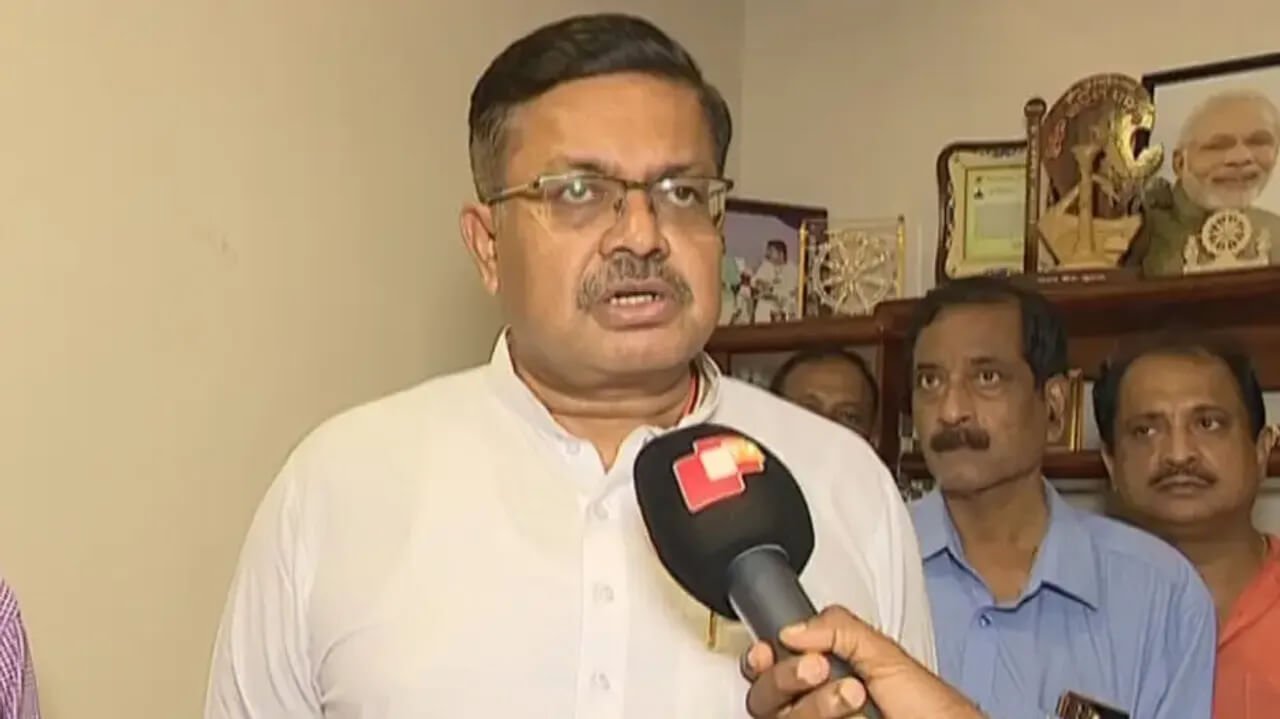
Speaking about the initiative, Dr. Jayant Kumar Tripathy, Unit Lead, Tata Steel Foundation, Gopalpur, said:
“This initiative reflects our commitment to building resilient and self-reliant communities by leveraging local resources. By enabling community ownership, we are helping families transition from subsistence livelihoods to sustainable prosperity.”
From Flower Sellers to Entrepreneurs
The distillation plant has fundamentally changed the economic prospects of participating families.
Instead of depending on intermediaries, members of the Society now process their own kewda flowers into high-value essential oil and directly benefit from the increased market value.
“Earlier, we depended entirely on agents to sell kewda flowers. Today, we process our own produce and earn far better returns,” said Bangari Srinivas, President of the Kalipalli Youth Kewda Society.
Significant Rise in Income
Kewda harvesting in Kalipalli takes place in two seasonal cycles—from March to September and November to January—with entire families participating in flower collection and processing.
During the latest production cycle, the Society successfully produced 22 kilograms of kewda ruh (essential oil).
The venture generated a net profit of ₹20.40 lakh, demonstrating the commercial viability of community-led value addition and significantly enhancing the financial security of participating households.
“This initiative has brought stability to our income and confidence about the future,” said B. Dharama Patro, Secretary of the Society.
A Model for Rural Livelihood Development
The Kalipalli project showcases how traditional knowledge, local natural resources, and community participation can be combined to create sustainable rural enterprises.
By shifting from the sale of raw produce to value-added manufacturing, the initiative has increased household incomes, strengthened community institutions, and reduced dependence on intermediaries.
The Tata Steel Foundation believes the model can serve as an example for other rural communities seeking to build sustainable livelihoods through locally available resources while preserving traditional occupations.
As the Kalipalli Youth Kewda Society continues to expand its operations, the initiative stands as a testament to the transformative impact of community ownership, value addition, and inclusive rural development.