
In a significant move towards modernising India’s currency system, the Reserve Bank of India (RBI) is reportedly preparing to introduce plastic or polymer-based banknotes on a pilot basis. The initiative is aimed at enhancing the durability of currency notes, reducing replacement costs, and improving the overall efficiency of the country’s cash management system.
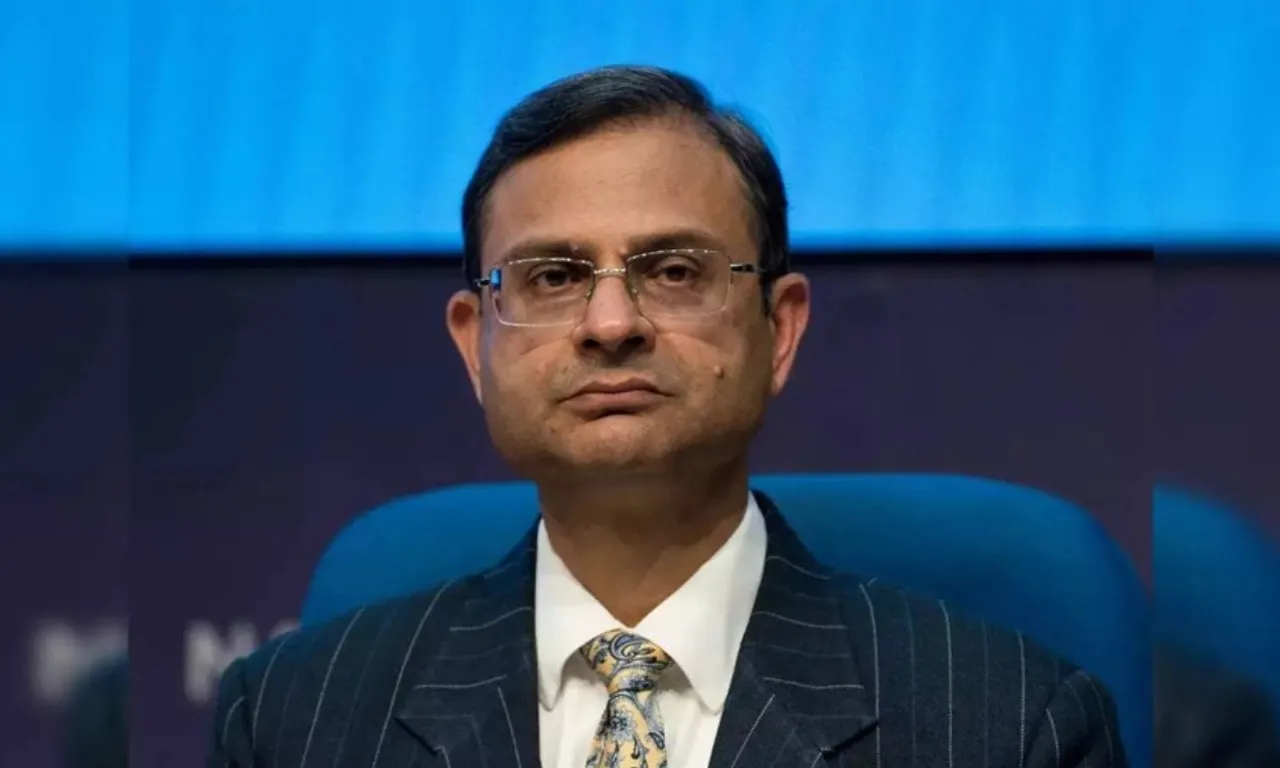
According to RBI Governor Sanjay Malhotra, the proposal to introduce plastic currency has been under consideration for several years. While discussions on polymer notes began nearly a decade ago, the idea has now gained fresh momentum as the central bank explores innovative ways to strengthen India’s currency infrastructure.
As part of the initial phase, the RBI is planning to introduce plastic versions of the ₹10 and ₹20 denomination notes. These lower-value notes are among the most frequently circulated currency denominations in the country and often suffer the highest levels of wear and tear due to daily usage. By replacing them with polymer notes, the RBI aims to significantly increase their lifespan and reduce the need for frequent reprinting.
The pilot project is expected to be launched in selected states and regions before any decision is taken regarding a nationwide rollout. The RBI will closely monitor the performance, durability, public acceptance, and operational feasibility of the new notes before expanding the programme across the country.
One of the biggest advantages of polymer currency is its superior durability compared to traditional paper-based banknotes. Plastic notes are waterproof, resistant to dirt, and less susceptible to damage from folding, tearing, moisture, and general handling. Studies conducted in several countries have shown that polymer notes can last several times longer than conventional paper notes, making them more cost-effective in the long run.
The introduction of plastic currency could also help reduce the environmental and financial burden associated with printing replacement notes. Although polymer notes generally cost more to manufacture initially, their extended circulation life often offsets the higher production cost by reducing the frequency of replacement.
Another important benefit is enhanced security. Polymer banknotes can incorporate advanced anti-counterfeiting features that are difficult to replicate. Transparent windows, complex holographic elements, metallic strips, and sophisticated security designs can be embedded directly into the note, making counterfeiting significantly more challenging.
Several countries, including Australia, Canada, the United Kingdom, New Zealand, Singapore, and Vietnam, have successfully adopted polymer banknotes. Australia pioneered the technology in the late 1980s and has since transitioned almost entirely to polymer currency. Many other nations followed after observing the benefits of improved durability and enhanced security.
For India, where millions of cash transactions occur every day despite the growth of digital payments, the introduction of polymer notes could represent a major advancement in currency management. Lower-denomination notes, in particular, tend to deteriorate quickly due to frequent circulation among consumers, vendors, transport operators, and small businesses.
Financial experts believe that if the pilot project yields positive results, the RBI may gradually extend polymer technology to additional denominations in a phased manner. Such a transition would mark one of the most significant changes to India’s currency system since the introduction of the Mahatma Gandhi New Series banknotes.
The RBI has not yet announced an official launch date for the pilot programme. However, officials indicate that preparations are progressing, and further details regarding design specifications, testing locations, and implementation timelines are expected to be revealed in the coming months.
If successfully implemented, plastic currency could help India build a more durable, secure, and cost-efficient cash ecosystem while complementing the country’s broader efforts toward financial modernization and technological innovation.