
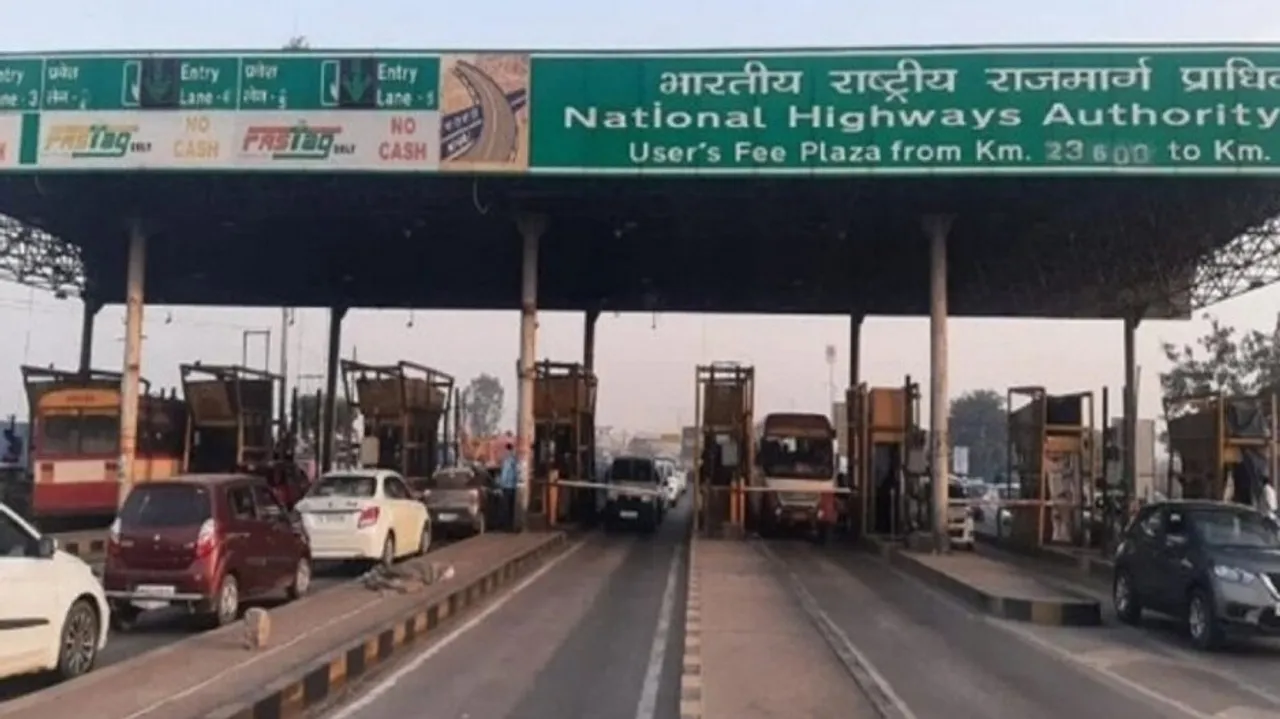
India has taken a major leap towards modernising its highway infrastructure with the launch of the Multi-Lane Free Flow (MLFF) tolling system, a barrier-less and contactless toll collection mechanism aimed at transforming travel on national highways. The technology-driven system is expected to ensure seamless vehicle movement, reduce congestion, lower pollution levels and significantly improve operational efficiency across the country.
Union Minister Nitin Gadkari recently announced that the MLFF framework would mark a new era in highway transportation by eliminating long queues and delays at toll plazas.
First Barrier-Less Toll Plaza Inaugurated In NCR
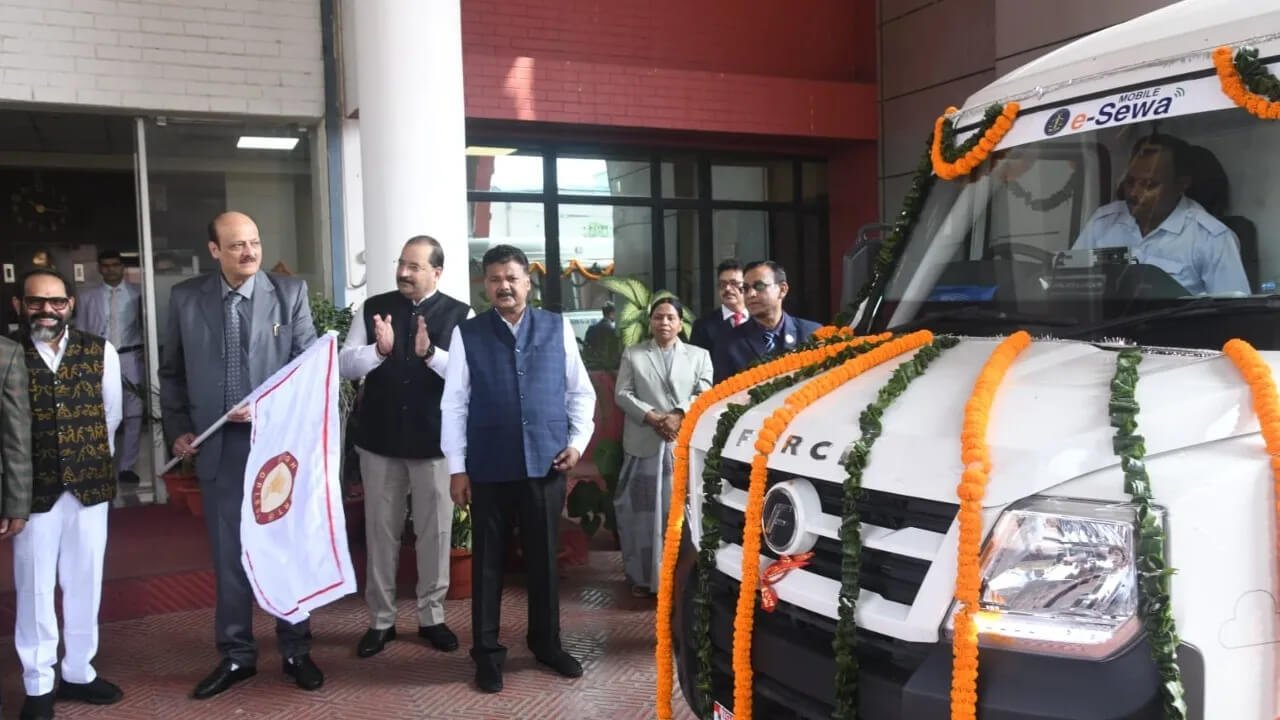
The country’s first barrier-less toll plaza under the MLFF system has been inaugurated at Mundka–Bakkarwala on the Urban Extension Road-II (UER-II) in the National Capital Region.
The launch event was attended by Minister of State Ajay Tamta, Members of Parliament Harsh Malhotra, Kamaljeet Sherawat and Yogender Chandolia, along with National Highways Authority of India (NHAI) Chairman Santosh Kumar Yadav and senior officials from the Ministry of Road Transport and Highways, NHAI and the Indian Highways Management Company Limited.
During the inauguration, Gadkari thanked Prime Minister Narendra Modi and other stakeholders associated with the project. He stated that the MLFF system has been developed using advanced international-standard technology after extensive consultations with technology experts and private stakeholders.
Seamless Travel Without Stopping At Toll Plazas
The barrier-less tolling framework allows vehicles to pass through highways without stopping for toll payments. Authorities said the system would drastically reduce waiting time, improve traffic flow and minimise congestion on busy highways.
Since vehicles no longer need to halt at toll booths, commuters are expected to experience faster travel and smoother journeys on national highways.
The government believes the technology-driven model will enhance commuter convenience while also improving overall highway management.
Massive Savings In Fuel And Operational Costs
According to Gadkari, the new tolling framework is expected to bring substantial economic benefits.
He said conventional toll collection systems incurred operational costs of nearly 15 per cent, whereas the MLFF system is likely to reduce operational expenditure to around 3-4 per cent. The reduction could result in annual savings of nearly Rs 5,000-6,000 crore.
The minister further highlighted that the MLFF system could save nearly 250 crore litres of fuel annually and reduce approximately 81,000 tonnes of carbon emissions every year.
Officials stated that the move would play a crucial role in controlling pollution, especially in the Delhi-NCR region where traffic congestion remains a major challenge.
AI-Based Monitoring And Improved Highway Management
The government has integrated Artificial Intelligence-based technologies into the MLFF framework to improve traffic monitoring and highway operations.
Gadkari also expressed concern over the rising number of road accidents in India and stressed the importance of responsible driving behaviour and public awareness.
Authorities believe AI-enabled systems will strengthen enforcement mechanisms and improve overall road safety management.
FASTag Compliance Mandatory Under New System
Under the new tolling mechanism, highway users will be required to maintain sufficient balance in their FASTag accounts for uninterrupted travel.
In cases of insufficient balance, invalid FASTag or non-functional tags, motorists will receive electronic notices for non-payment of toll charges. Users will need to pay the standard user fee within 72 hours of receiving the notice.
Failure to comply within the stipulated period will attract a penalty amounting to twice the applicable toll fee for the respective vehicle category.
Officials said users would also be able to access notices and make payments through the designated Ministry of Road Transport and Highways portal. Grievances can also be raised within 72 hours of issuance of the notice.
Persistent non-payment could lead to blacklisting of FASTag accounts and restrictions on vehicle-related services through the VAHAN platform.
‘Waste To Wealth’ Model In Road Construction
Highlighting sustainable infrastructure development, Gadkari said the government is increasingly adopting a “waste to wealth” approach in highway construction.
He stated that municipal waste generated in Delhi is being scientifically processed and utilised in major projects such as the Dwarka Expressway and the Delhi-Mumbai Expressway.
The minister also noted that bio-bitumen developed from crop residue and other waste materials is being used in road construction to reduce import dependency and minimise environmental pollution.
Nationwide Rollout Planned
Earlier this month, the National Highways Authority of India successfully launched the MLFF-based tolling system at the Chorayasi Toll Plaza on the Surat–Bharuch section of NH-48 in Gujarat.
Officials said the nationwide rollout of the MLFF framework would improve transparency in toll operations, reduce dependence on physical toll plazas and create a more efficient, technology-driven and commuter-friendly highway ecosystem across India.