
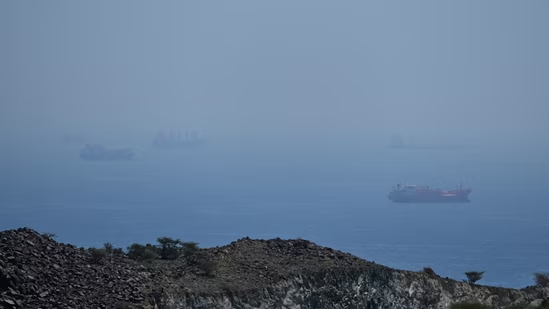
Tensions in the Strait of Hormuz have intensified after the United States intercepted multiple Iranian-flagged oil tankers as part of its ongoing maritime blockade, raising fresh concerns over global energy security.
According to reports citing shipping and security sources, at least three Iranian vessels were redirected by US forces on Wednesday from waters near India, Malaysia, and Sri Lanka.
Tankers Intercepted in Strategic Waters
Among the intercepted vessels was the Iranian-flagged supertanker Deep Sea, which was partially loaded with crude oil and last tracked off the Malaysian coast about a week ago. Another vessel, Sevin, capable of carrying up to 1 million barrels and reportedly 65% full, was also intercepted after being last spotted near Malaysia.
A third tanker, Dorena, carrying nearly 2 million barrels of crude oil, was intercepted after being tracked near India’s southern coastline just days earlier. The United States Central Command (CENTCOM) confirmed that Dorena is currently being escorted by a US Navy destroyer in the Indian Ocean after allegedly attempting to breach the blockade.
Expanded Blockade Measures
US authorities have intensified enforcement actions in recent days. CENTCOM stated that American forces have instructed at least 31 vessels to turn back or return to port as part of the blockade operations targeting Iranian oil shipments.
The crackdown reflects Washington’s effort to tighten pressure on Tehran amid stalled diplomatic negotiations.
Iran Responds with Counter Action
In response, Iran has escalated its own maritime posture. Reports indicate that Iranian forces opened fire and seized two container ships attempting to exit the Strait of Hormuz, further heightening tensions in the region.
The developments come amid a deepening standoff between Washington and Tehran, with little progress reported in ongoing peace talks.
Global Energy Impact
The Strait of Hormuz remains one of the world’s most critical energy corridors, handling nearly 20% of global oil and gas supplies. Disruptions in the region have already pushed crude oil prices close to $100 per barrel, intensifying fears of a broader global energy crisis.
With both sides continuing aggressive maritime actions, the situation remains volatile, and the risk of further escalation cannot be ruled out.